 Canal+ Logo PNG
Canal+ began in France in 1984, when three state channels still dominated television. André Rousselet, head of the advertising group Havas, and journalist Pierre Lescure developed a paid television project built around cinema and sport. On November 4, 1984, Canal+ went on air as France’s first pay-TV and commercial channel. Early results were weak: first-year losses reached 330 million francs, and critics mocked it as “Canal Minus.”
The channel survived its difficult start. In 1985, France opened the market to other private channels, increasing competition, yet Canal+ gained subscribers through exclusive films and sports rights. By 1987, it had more than two million subscribers and was listed on the stock market. In 1989, the audience reached three million, and Canal+ Belgium marked the start of international expansion.
The company also moved into film production. On January 1, 1987, Canal+ Productions was created to finance French cinema and build a film library. The unit later became StudioCanal in 2000. In January 1996, Le Studio Canal+ bought the Carolco Pictures library for $56 million, adding a major U.S. catalog. StudioCanal later grew to about 9,000 titles.
In the 1990s, Canal+ expanded in Europe and Africa, launching Canal+ Horizons in 1990 and Premiere in Germany in 1991, in partnership with Bertelsmann and Kirch Group. In 1996, it introduced CanalSatellite, France’s first digital satellite TV platform. Vivendi acquired Canal+ in 2000. Later deals included M7 Group in 2019, a Disney distribution agreement, and MultiChoice in Africa. In December 2024, Vivendi spun off Canal+ as a public company listed in London, with HBO and Netflix among its global rivals.
Meaning and History
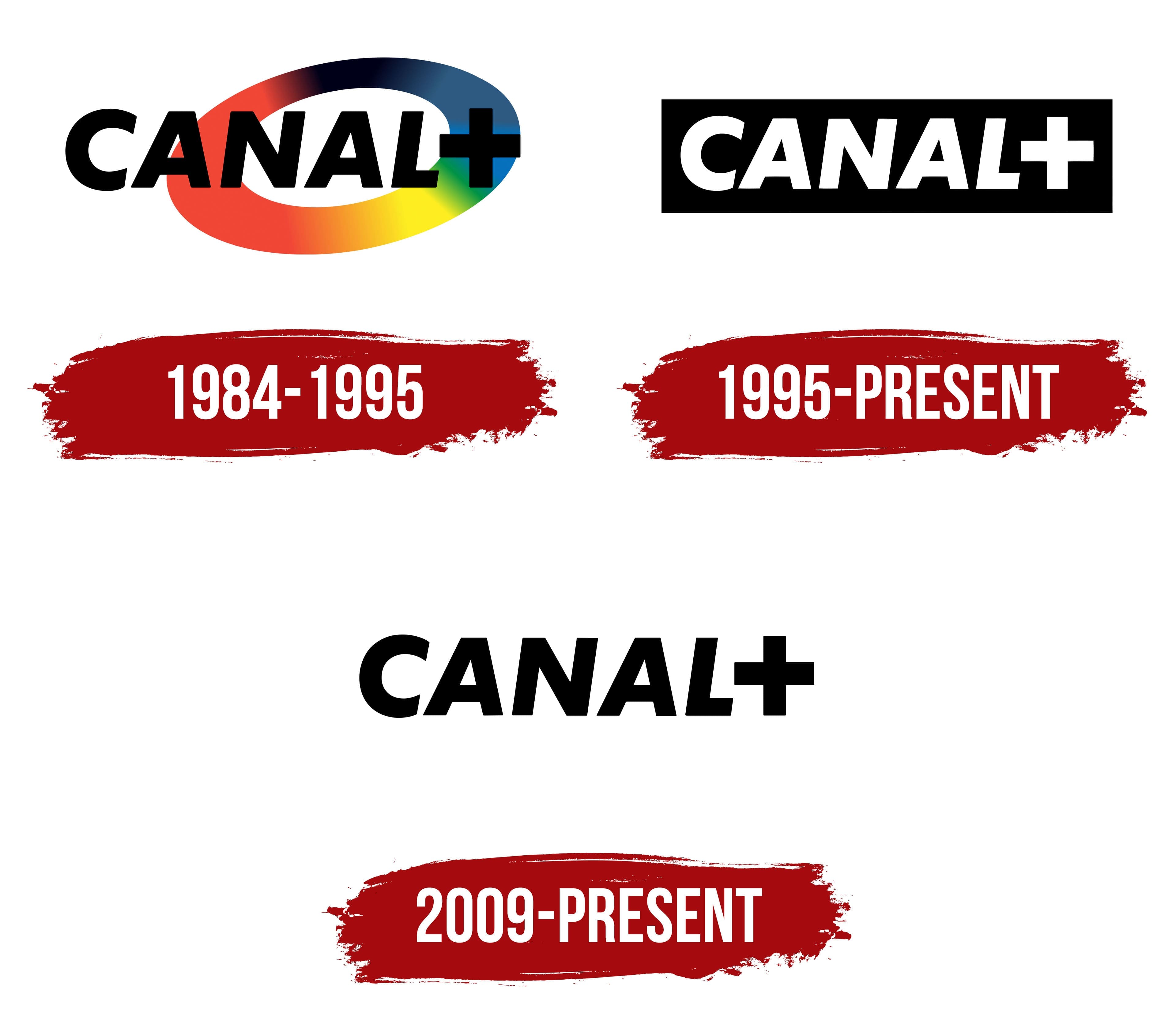
1984 – 1995

1995 – today

2009 – today