


 WildBrain Logo PNG
The WildBrain logo looks as if it were created based on a child’s drawing, brought to life on screen through animation. This emblem embodies a studio that essentially “feeds” on the spirit of childhood, deeply understanding children’s world and needs. Every line and element of the emblem conveys the energy, creativity, and endless imagination typical of a young audience. The logo highlights the company’s mission to create vibrant, engaging, and in-demand programs for children that meet their interests and inspire discoveries.
DHX Media was formed in 2006 through the merger of Halifax Film Company and Decode Entertainment, bringing together two Canadian studios focused on children’s and family programming. The older studio, founded in 1997, was connected with titles such as Naruto and Radio Free Roscoe, while Halifax Film, founded in 2004, added production experience from its own projects.
After the merger, the company expanded through acquisitions. Studio B Productions joined in 2007, giving DHX stronger animation capacity. In 2010, it bought WildBrain Entertainment, adding Yo Gabba Gabba! and The Ricky Gervais Show. The purchase of Cookie Jar Group in 2012 brought Inspector Gadget and Caillou into its library, turning DHX into one of the largest holders of children’s content catalogs.
The expansion continued in 2013 with Ragdoll Worldwide, the company behind Teletubbies. In 2014, DHX bought the Canadian channels Disney Junior, Disney XD, and Family Channel from Bell Media, giving it direct access to TV distribution in Canada. In 2017, it acquired Peanuts and Strawberry Shortcake from Iconix Brand Group for $345 million, adding globally recognized children’s brands to its portfolio.
In 2019, the company rebranded under one name to modernize its public image. During 2020 and 2021, it grew further on digital platforms, including YouTube, launched new projects tied to major brands, and released new seasons of Johnny Test on Netflix. By 2023, DHX remained active across television, streaming, and digital platforms, with a large library of children’s and family content.
Meaning and History
What is WildBrain?
This is a leading animation studio in children’s entertainment, known for its vibrant characters and captivating stories that spark young audiences’ imaginations. The studio develops, produces, and distributes original content and acquires licenses for popular franchises, creating a rich catalog of children’s programming. Its portfolio includes both classic projects and modern series, allowing it to reach multiple generations of viewers. One of the key factors in its success is its ownership of one of the largest independent libraries of children’s content, which enables the brand to significantly impact the children’s entertainment market.
2006 – 2010

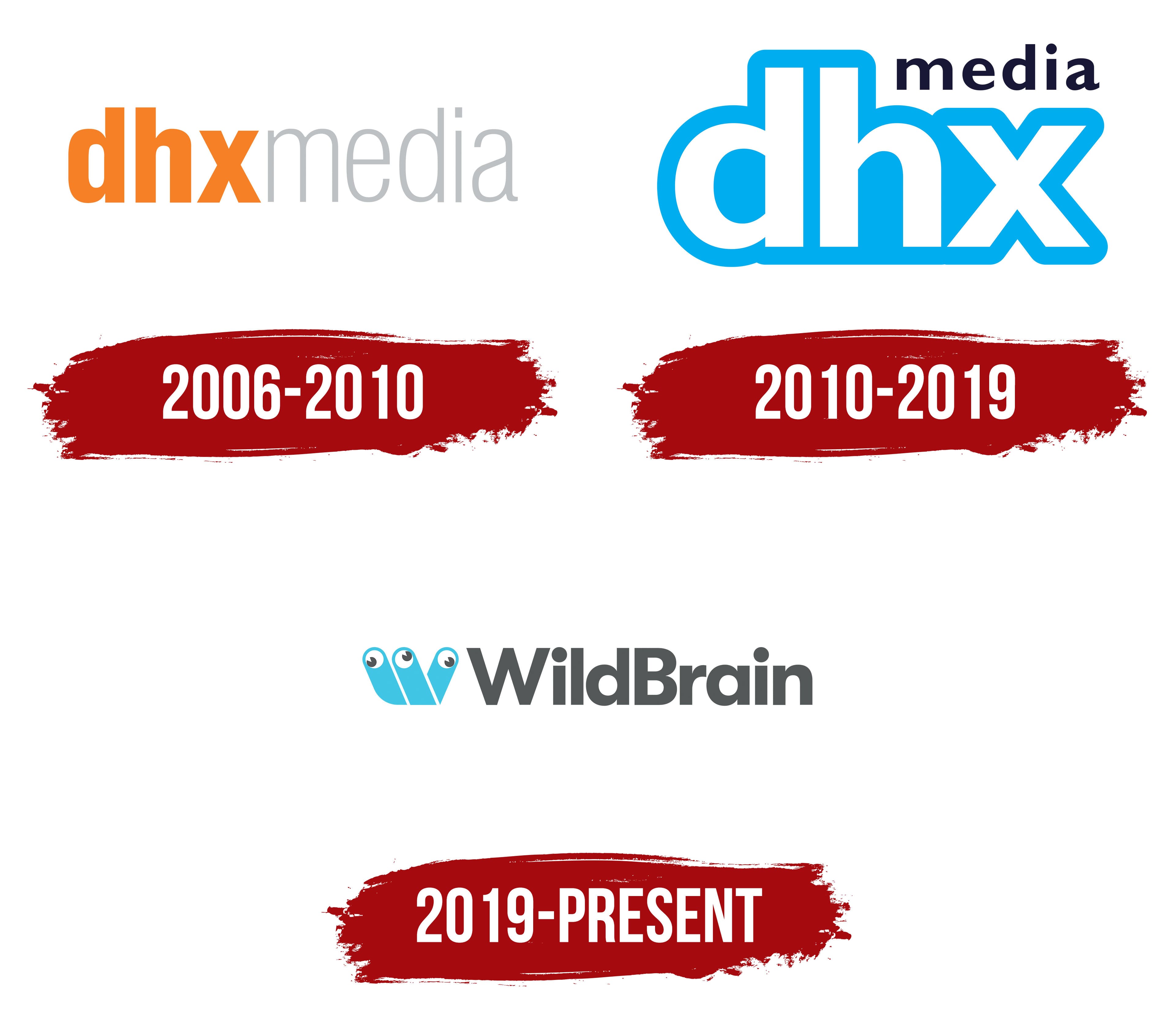
The first emblem of DHX Media is closely tied to its name and represents the merger of Decode and Halifax, the two parent companies. The abbreviation DHX is written in lowercase orange letters, referencing the style of the Decode Entertainment emblem and emphasizing continuity. The orange symbolizes warmth and friendliness, fostering trust and a welcoming attitude toward viewers. The word “Media” is written in thin gray letters, barely noticeable, reminiscent of Halifax Film’s style. This design approach highlights the new brand’s unity and cohesiveness, as well as its focus on professionalism.
2010 – 2019
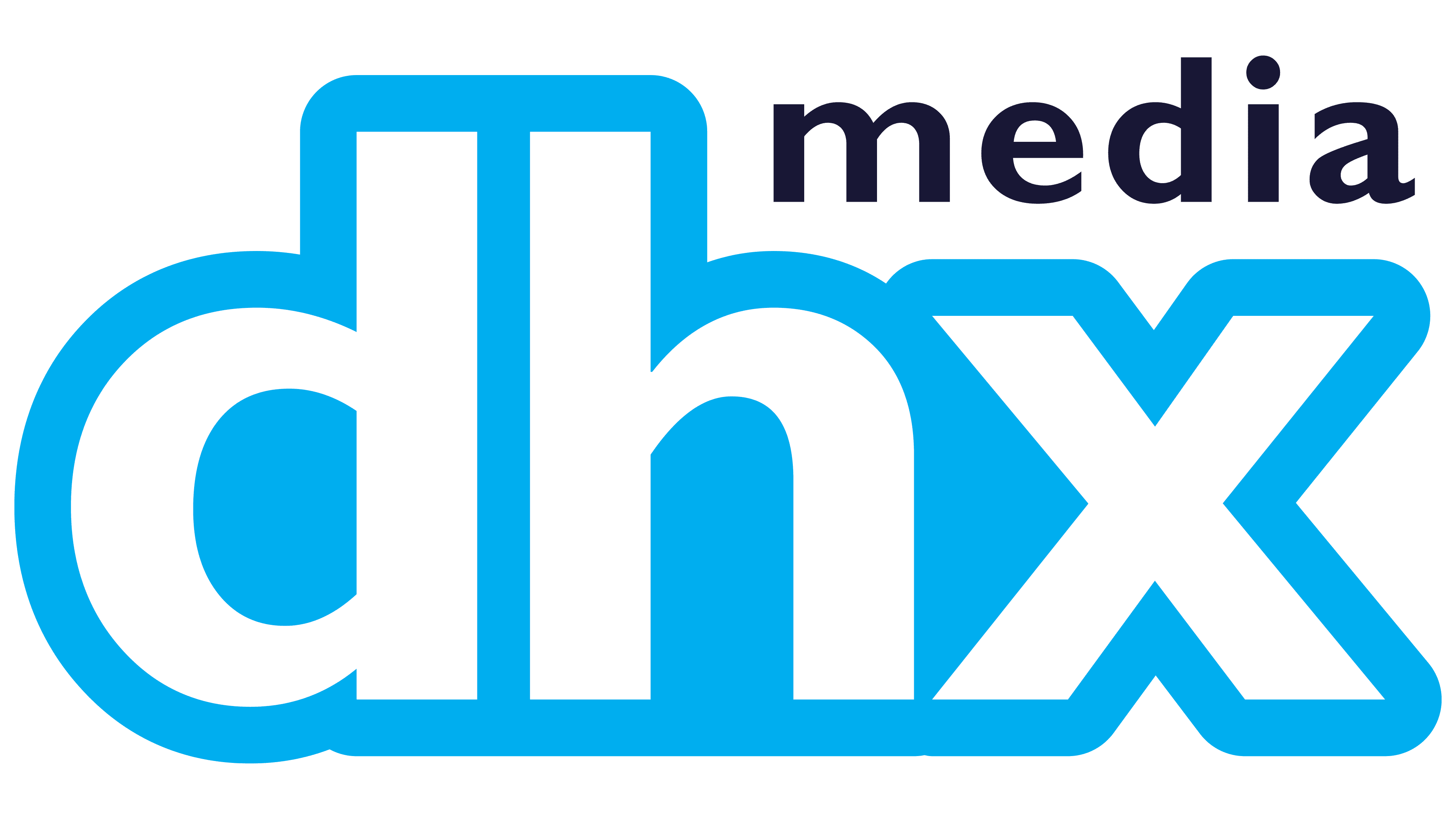
The DHX Media logo, introduced in 2010, stands out for its simplicity and clarity. It consists of three letters: “d,” “h,” and “x,” which gradually increase in size from the first to the last. This approach reflects the company’s ambitions at the time, its drive for growth and expansion following the acquisition of WildBrain Entertainment. Each letter is highlighted in white against a blue background, reminiscent of the endless sky, symbolizing unlimited possibilities and creativity in content production.
The font is smooth, rounded, and friendly, emphasizing the company’s focus on a children’s and family audience. The bright blue at the logo’s base evokes associations with something fresh, light, and reliable, like the clear sky above. This underscores the brand’s intent to become a leader in the children’s entertainment industry.
The word “Media” in the upper right corner is written in small black letters, adding balance to the emblem. This element symbolizes the company’s seriousness and responsibility despite its primary focus on children’s projects. This small but significant element speaks to the professionalism behind the fun, creative façade, showing DHX Media as a business with clear goals and ambitions.
The visual mark demonstrates the fusion of creative aspirations and a serious approach to content creation. It emphasizes that the company strives to remain a leader in its niche while staying true to its roots and commitment to the children’s audience.
2019 – today
The modern company logo depicts a playful creature with three eyes. The emblem is based on a modified letter “W,” which begins the name WildBrain. The image is designed in the style of children’s drawings, creating the impression of a mysterious little creature. Its eyes look in different directions, emphasizing a wild, unpredictable (“Wild”) nature.
The creature’s shape resembles a snail’s antennae, curiously and somewhat timidly peeking out to observe the surrounding world. The lines of the emblem also evoke associations with finger games, popular among young children. The pupils, reminiscent of the iconic Pac-Man character, add a playful element to the image.
The logo symbolizes a childlike character, ready to have fun with young viewers. This reflects the company’s activity, which possesses the largest library of children’s programs.
Below the image is the company name, written in gray, capital letters. “WildBrain” refers to the brand’s successful YouTube network, formerly known as WildBrain Entertainment, which DHX Media acquired in 2010.