


Colgate-Palmolive, one of the world’s oldest companies with a history spanning more than two centuries, has introduced an updated corporate identity. The company’s mission is to spread positivity and care through everyday products, and the new branding reflects this.
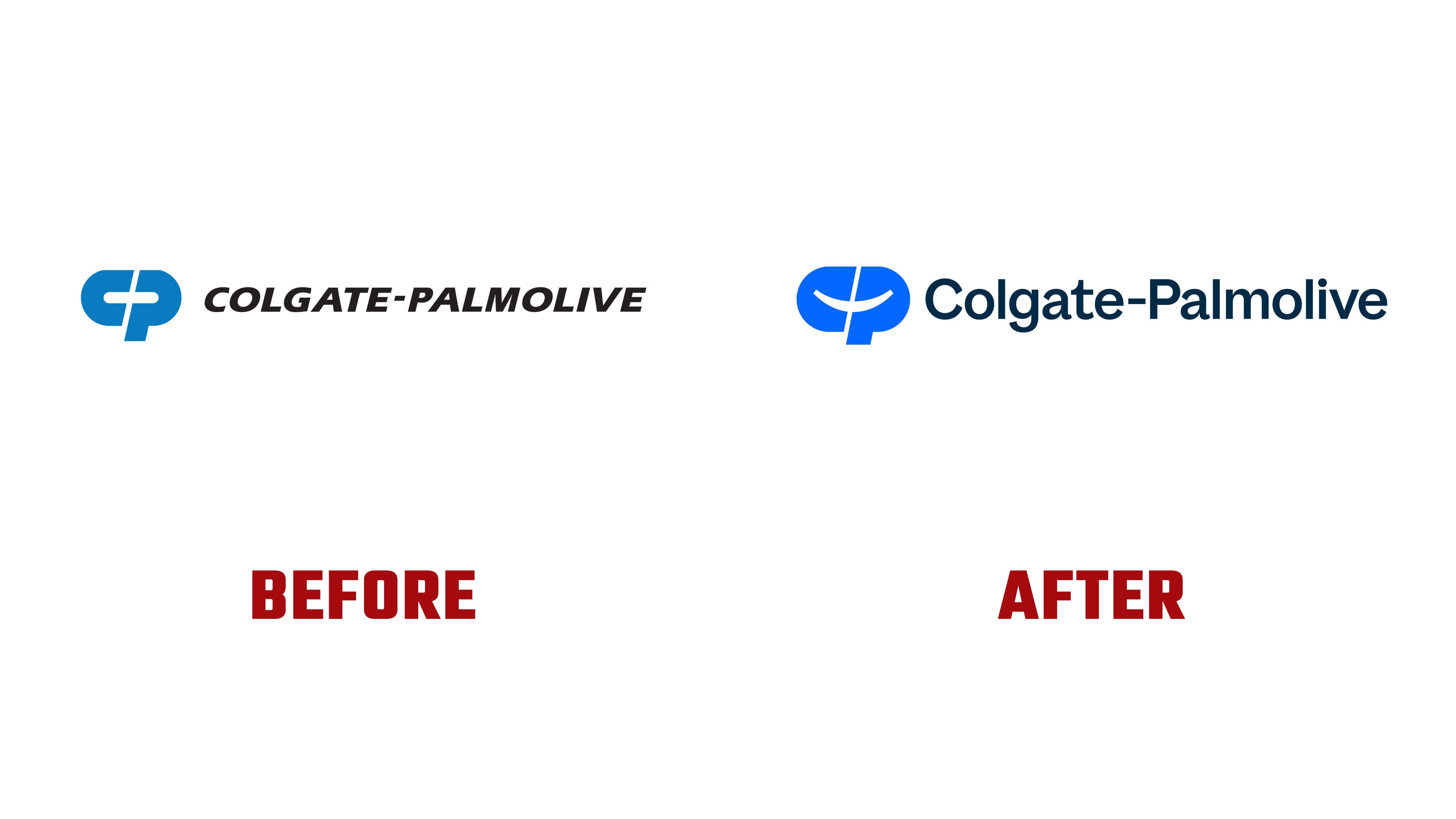
The main change concerns the logo. Previously, the symbol featured the interlocked letters “C” and “P,” but now its foundation is a smile. The mark visually conveys the brand’s care for consumers, creating an association with trust and openness. The typeface has softer lines, the composition appears more balanced, and the blue shade is richer, making it better suited to the digital environment.
A new slogan accompanies the identity, “Give More Smiles.” It sets the tone for all communications and unites the company’s business areas: oral care, personal care, home care, and pet nutrition. The slogan underscores Colgate-Palmolive’s commitment to innovation while maintaining its social mission to care for people and support their daily comfort.
Colgate-Palmolive’s history began in New York in 1806. Initially, the company produced soap and candles, but later expanded its product range to become a global manufacturer of essential goods. Today, its products are sold in 200 countries. Among its most recognized brands are Colgate toothpaste, Palmolive cleaning products, Softsoap cosmetics, and the Hill’s pet nutrition line.

The visual system has been updated to meet modern requirements. Fonts and graphics have been standardized and adapted for use in digital environments. The new style will be applied across all levels, from packaging and marketing materials to social media and corporate resources.
As Chief Communications Officer, Dana Bolden emphasized that leading companies must communicate effectively through both words and visuals. The new logo and communication system are designed to help Colgate-Palmolive remain a modern and recognizable brand for millions of families worldwide.
The updated style combines the company’s historical legacy with its future, preserving consumer trust and shaping a visual language for the digital age.