 EBRD Logo PNG
The idea of the EBRD emerged in October 1989, as communist regimes in Eastern Europe were collapsing. French President François Mitterrand proposed a special European bank to support countries moving toward market reforms. Margaret Thatcher and Helmut Kohl backed the plan. At the same time, Danish Prime Minister Poul Schlüter suggested the name European Bank for Reconstruction and Development.
Negotiations with 36 countries began in January 1990. The bank’s charter was signed in Paris on May 29, 1990, and operations started in London on April 15, 1991. The United States became the largest shareholder, while the USSR joined alongside Western states. Early shareholders also included Egypt and Morocco, although neither was yet an independent country.
The first president was Jacques Attali, an adviser to Mitterrand. In its first year, the EBRD issued about $780 million in loans for 19 projects, focusing on Poland, Hungary, and Czechoslovakia. It also worked on legal frameworks for private property, banking reform, and price liberalization. In June 1993, Attali resigned after criticism of his spending and management style, and Jacques de Larosière, a former IMF managing director, replaced him.
Under later presidents, including Horst Köhler, Jean Lemierre, and Thomas Mirow, the bank expanded across the former USSR, Central Europe, and Central Asia. By the mid-2000s, it worked in about 27 countries, with total investment above €50 billion. In 2011–2012, after the Arab Spring, its mandate expanded to Egypt, Jordan, Morocco, and Tunisia through a €1 billion fund. By 2016, investment in those four countries reached €3.5 billion. In 2022, after Russia invaded Ukraine, the EBRD suspended new operations in Russia and Belarus and redirected support to Ukraine.
Meaning and History
What is EBRD?
This international financial institution’s primary mission is to support economic development and promote market reforms in Central and Eastern Europe, Central Asia, and the Southern and Eastern Mediterranean. The organization invests mainly in the private sector, financing new projects and supporting existing companies in cooperation with local and international partners. The bank is key in facilitating privatization, restructuring state-owned enterprises, and improving municipal services. One of the organization’s priorities is to promote democratic reforms and the opening of market economies.
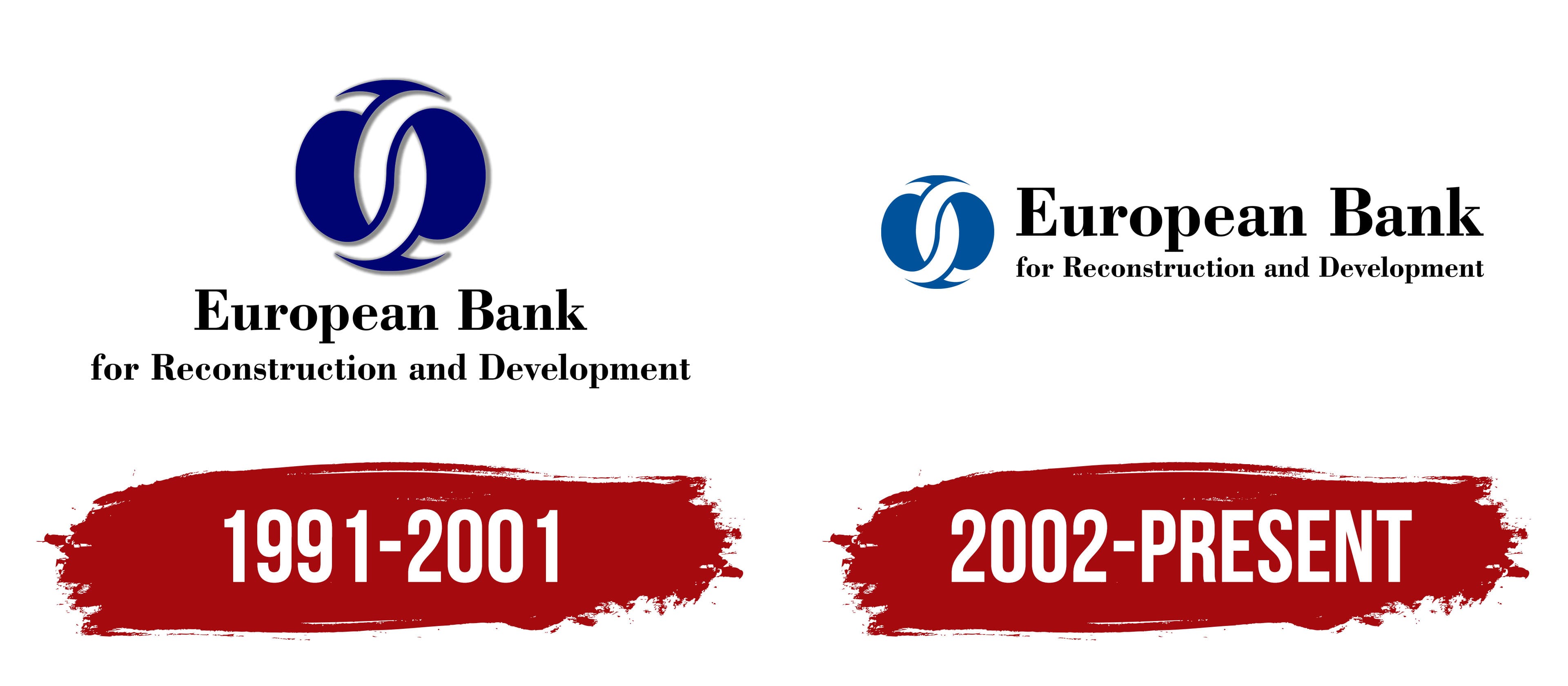
1991 – 2001

2002 – today