


 PopCap Games Logo PNG
The PopCap Games logo represents a company whose games instantly captivate players and become classics in the casual gaming genre. What started as small experiments quickly grew into globally popular projects, creating engaging puzzles, arcade games, and strategy titles that perfectly balance simplicity and excitement.
In 2000, entrepreneurs John Vechey, Brian Fiete, and Jason Kapalka founded PopCap Games, initially called Sexy Action Cool before adopting its current name. The studio gained early recognition in 2001 with the release of Bejeweled, originally known as Diamond Mine on Microsoft’s Gaming Zone, establishing a profitable downloadable model.
Subsequent successes included Bookworm in 2003, combining puzzle-solving and vocabulary-building, and Zuma in 2004, a game inspired by Japan’s Puzz Loop, noted for its engaging gameplay mechanics.
PopCap’s significant breakthrough arrived in 2009 with Plants vs. Zombies, a tower-defense game created by George Fan, known for its strategic depth and humorous presentation. The same year, PopCap expanded its reach to mobile platforms by adapting popular titles like Bejeweled and Plants vs. Zombies for the iPhone and iPad, while opening studios internationally in Shanghai, Seoul, and Dublin.
In 2011, Electronic Arts (EA) acquired PopCap for $750 million, providing the company with extensive resources and distribution channels while preserving its creative freedom. Under EA, PopCap released Plants vs. Zombies 2 in 2013, achieving considerable success on mobile devices. The franchise further expanded into shooter genres with Garden Warfare in 2014 and Garden Warfare 2 in 2016, followed by Battle for Neighborville in 2019.
From 2021 onwards, PopCap focused predominantly on mobile games, regularly updating Plants vs. Zombies 2 with new characters and gameplay improvements. By 2023, PopCap actively explored additional mobile projects, maintaining strong engagement through consistent content updates across its portfolio.
Entering 2024, PopCap continues emphasizing its proven casual gaming approach within EA, steadily supporting flagship franchises and adapting to evolving market expectations.
Meaning and History
What is PopCap Games?
This video game developer is known for creating bright, engaging, and accessible games. Among its most popular projects are puzzles and arcade games that are easy to learn but hard to put down. Colorful graphics, humorous characters, and well-designed gameplay are hallmarks of the games. The company’s projects have gained worldwide popularity among millions of players and are available on various platforms, including PCs and mobile devices.
2000
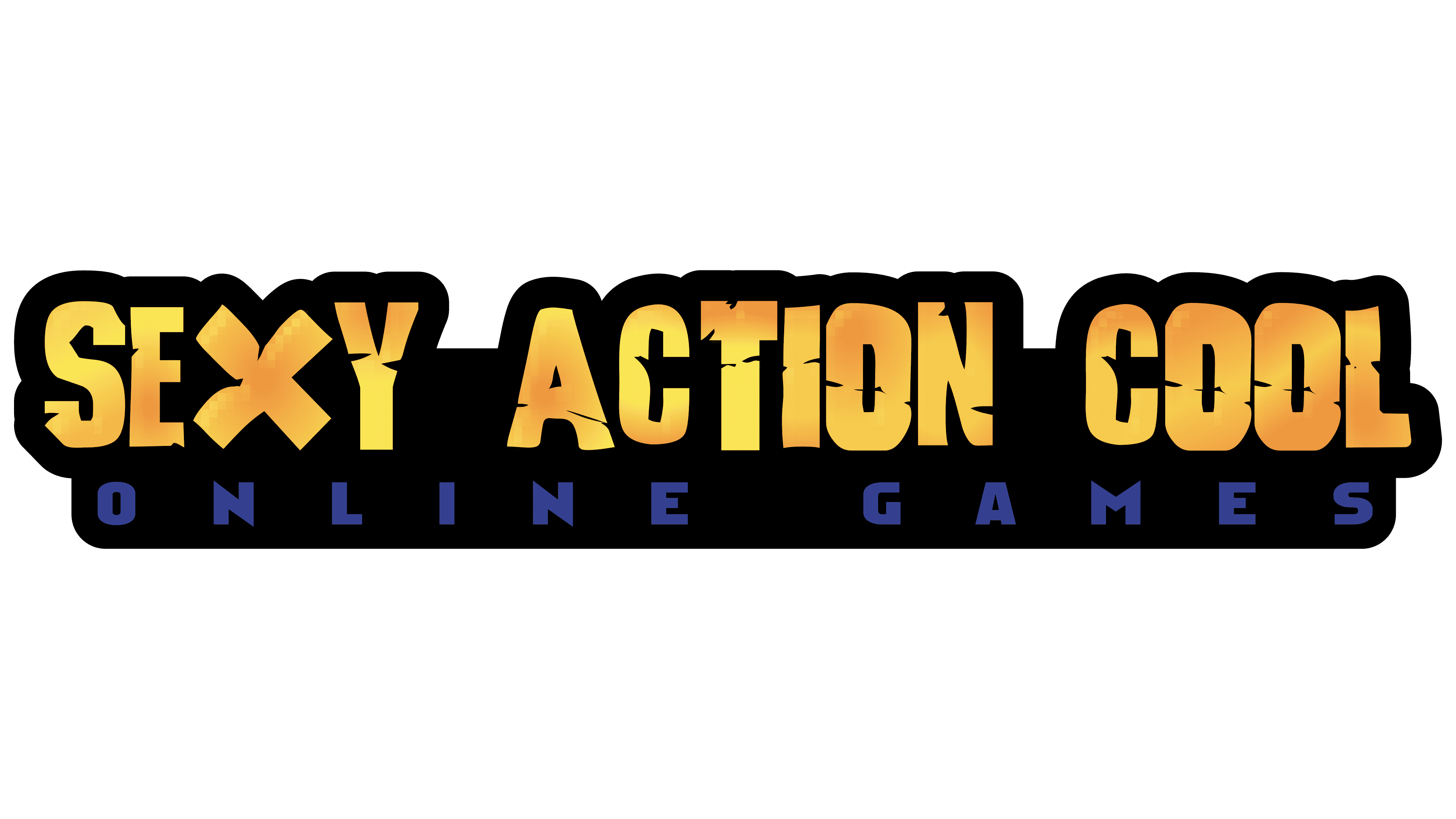
The “Sexy Action Cool ONLINE GAMES” logo, created by Jason Kapalka, is an artifact of PopCap Games’ early activity. At the stage of the studio’s formation, it reflected the atmosphere of the late 1990s, when the video game industry was filled with loud clichés and advertising slogans. The name combined unrelated phrases typical of marketing campaigns of that era. Kapalka, together with John Veche and Brian Fiete, used an ironic parody of mass-market language, distancing themselves from traditional rules of corporate identity.
The company introduced the logo in 2000, using it on its first website and in marketing materials. At that time, PopCap released Flash-based projects, and this visual concept served as an informal brand. The symbol was never officially trademarked.
The main inscription “SEXY ACTION COOL” was placed at the top. It used the Godzilla Faktos font, which is notable for its massive, vertically stretched forms. The graphics contained cracks, scratches, and chips resembling traces of impacts and explosions. The aesthetic referred to low-budget B-movies, which influenced the visual culture of computer games of that period. The color shifted from yellow to orange, creating a warm effect and emphasizing the name’s action-oriented tone.
The lower part read “ONLINE GAMES.” The font was plain and strict, with no decorative elements. The text was written in blue and in uppercase letters.
The period of use for this symbol was short. After the release of “Bejeweled,” the company approved a new circular logo. It became part of the corporate identity, while “Sexy Action Cool” remained a brief experiment in history that was never used in any released games and marked an early stage in the development of PopCap’s visual style.
2000 – 2003
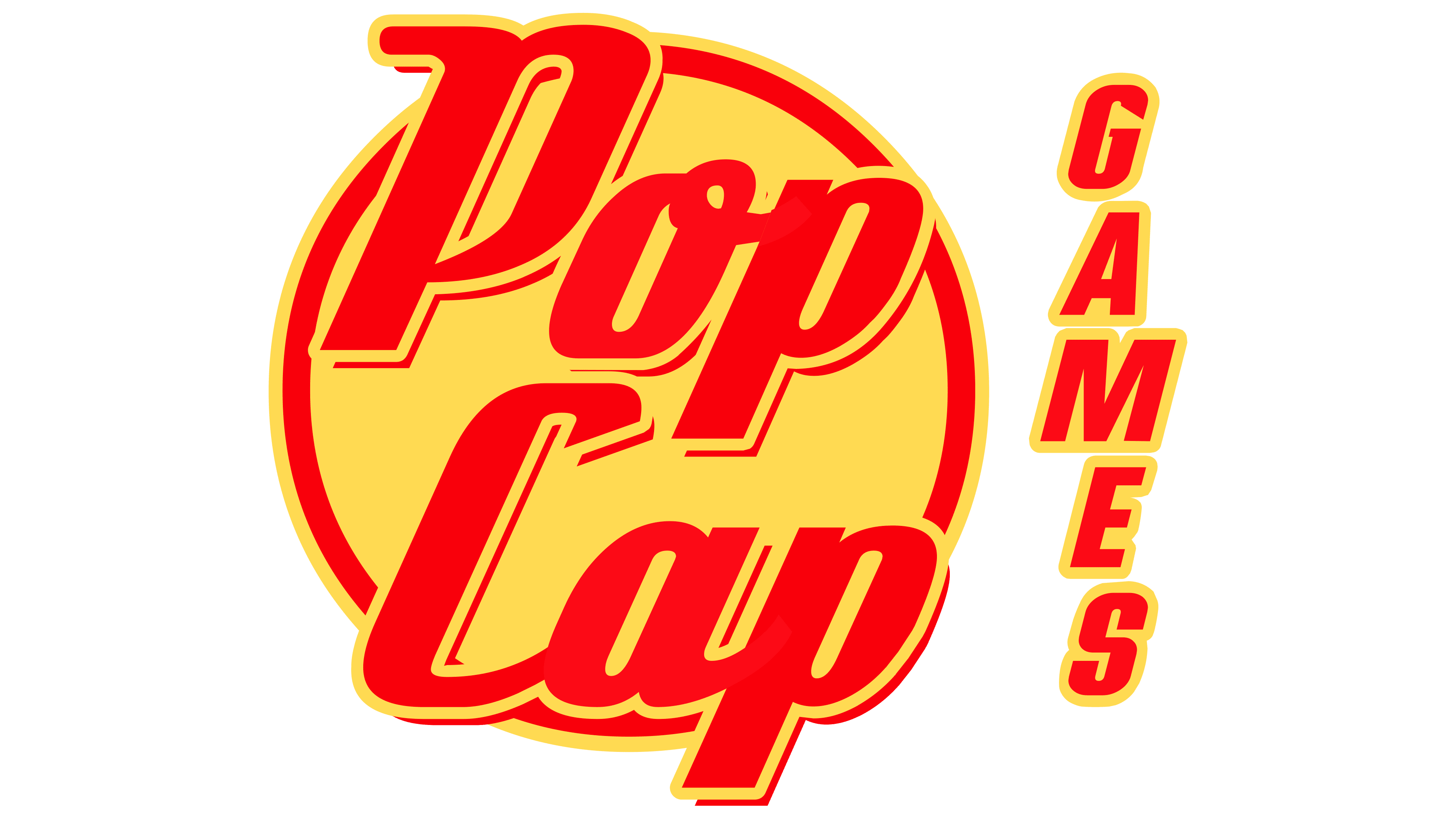
The character of the new PopCap Games logo was formed after abandoning the ironic “Sexy Action Cool” brand. Its author was again Jason Kapalka, and the image is associated with the company’s first major project, known as “Bejeweled,” which was initially released as “Diamond Mine.”
The concept was based on visual techniques from the mid-20th century. The symbol refers to American-style signs typical of fast-food establishments, as well as to the aesthetics of arcade tokens and soda bottle caps. In this way, the company established a connection with the culture of mass entertainment, aligning with the nature of its products.
A large yellow circle with a thin red outline served as the background of the new design. The name “PopCap” was placed in two lines over this background. The lettering used the decorative Deftone Stylus font, notable for its smooth, slanted lines without sharp serifs. The text was enhanced with a dual structure, combining a bright red base with a thin yellow underlay. This created a retro-style 3D effect.
An additional element was the vertical word “GAMES,” located to the right of the circle. It was written in a strict red sans-serif typeface with a yellow outline. The vertical placement helped balance the composition and prevent visual overload.
The red-and-yellow color scheme evoked associations with pop art and mass advertising. In the context of PopCap Games, this emphasis highlighted the company’s focus on entertainment and shaped the studio’s image as a producer of casual and accessible games.
Kapalka’s emblem reflected the energy and optimism of a young company that rejected rigid corporate standards. The symbol established brand recognition, distinguished PopCap from competitors, and became one of the key stages in the studio’s visual evolution.
2003 – 2007
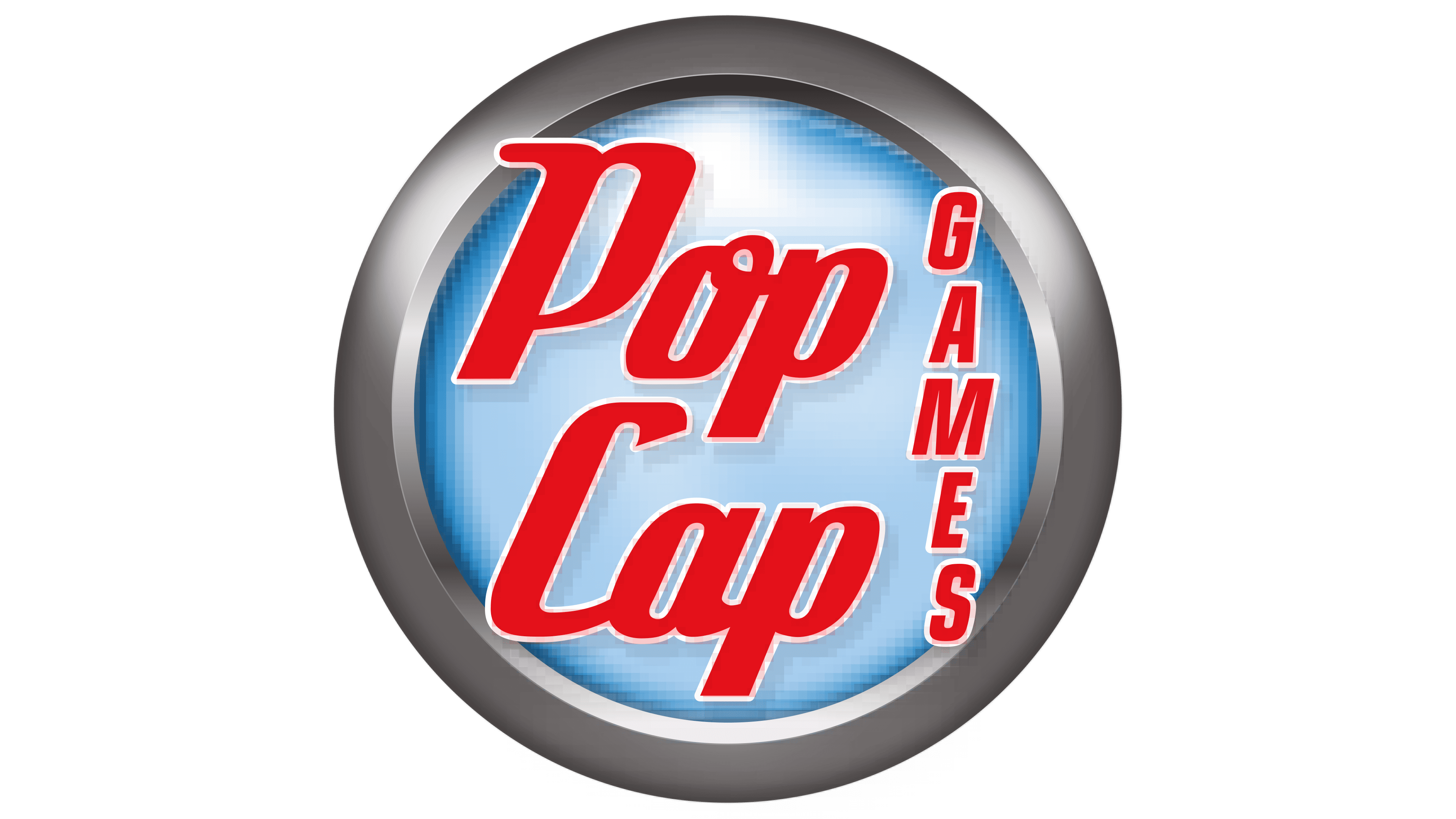
The updated PopCap Games emblem brought the brand international recognition following the success of Bejeweled. It accompanied major early-2000s releases, such as Zuma, Insaniquarium, and Bookworm, and helped secure the company’s visual image on a global scale.
The logo was circular, resembling a metallic bottle cap with a chrome outline. It created an impression of physical volume and referenced the origin of the name PopCap, which is derived from the English phrase “pop cap,” meaning a soda bottle cap. The stylistic foundation was rooted in the aesthetics of American signage and packaging from the 1950s and 1960s, but adapted to the possibilities of early-21st-century digital graphics.
Inside the circle was a light blue gradient background. It created a glossy or glass-like appearance and served as the base for the “PopCap” inscription. The text was written in a modified version of the Deftone Stylus font, reworked into a custom design. The letters had smooth contours and were slightly slanted to the right. The main color was red, with a thin white outline that provided visual contrast and emphasized the design’s playful character.
On the right side, the word “GAMES” was placed vertically. It was written in lowercase letters in the same red color, with a white outline. The vertical arrangement maintained visual balance and fit naturally within the circular composition.
The red color highlighted the main text and symbolized the brand’s energy. The blue gradient added depth and a sense of lightness, associated with an accessible gameplay experience. The chrome border introduced a sense of reliability and underscored the company’s status as a well-established player in the casual gaming market.
2007 – 2013

The key difference in the new PopCap Games emblem was its structure compared to the previous version. The word “GAMES” disappeared from the composition. Only the inscription “PopCap” remained in the center. This decision indicated that the brand had achieved sufficient recognition and no longer needed an additional clarification of its field of activity. The composition became more symmetrical, and the mark acquired a more cohesive and complete appearance.
The overall italic style of the lettering was preserved. Still, the letters became rounder and the lines softer, enhancing the friendly visual impression and making the text more appealing to the audience. The updated version is attributed to designer Mark Simonson, known for his work in handwritten and calligraphic typefaces.
The background oval structure was improved. The blue gradient gained more depth from a highlight at the top, creating a glass-like effect and a sense of volume. The metallic outline became more precise, with added detail, and the contour appeared as a smooth chrome surface. Retaining the shape of a soda bottle cap remained a reference to the origin of the company’s name, but the symbol took on a more modern, technological expression.
The updated emblem accompanied the release of PopCap Games’ key mid-2000s projects, including Peggle, Plants vs. Zombies, and Bejeweled Twist. The logo became the most recognizable visual attribute of the studio, establishing PopCap as a leader in the casual gaming segment.
The logo was used until the company’s integration into Electronic Arts. Following the acquisition, the brand was integrated into EA’s corporate system, resulting in changes to its style and adaptation to new standards.
2011 – today
Changes in PopCap Games’ symbol followed the company’s transition under Electronic Arts management. The brand abandoned the decorative bottle-cap form and the volumetric visual effects. A new presentation system appeared, focused on simplicity.
The main symbol of the identity became the PopCap inscription. It was made using a customized typeface by Mark Simonson. The letters retained smooth lines and a slight italic slant, while the stroke endings received rounded treatment.
A single bright red color replaced the previous combinations. The rejection of gradients, shadows, and highlights marked a shift toward a more practical, universal form suited to the new conditions of the mobile and free-to-play gaming market.
The emblem was used during the release of projects such as Bejeweled Blitz, Peggle Blast, and later versions of Plants vs. Zombies. It reflected the company’s shift in business model toward digital distribution and in-game monetization.
The final version of the symbol represented the studio’s transformation into a division of a major publisher and ensured the brand’s visual style remained relevant for an extended period.
