


 Popeye Logo PNG
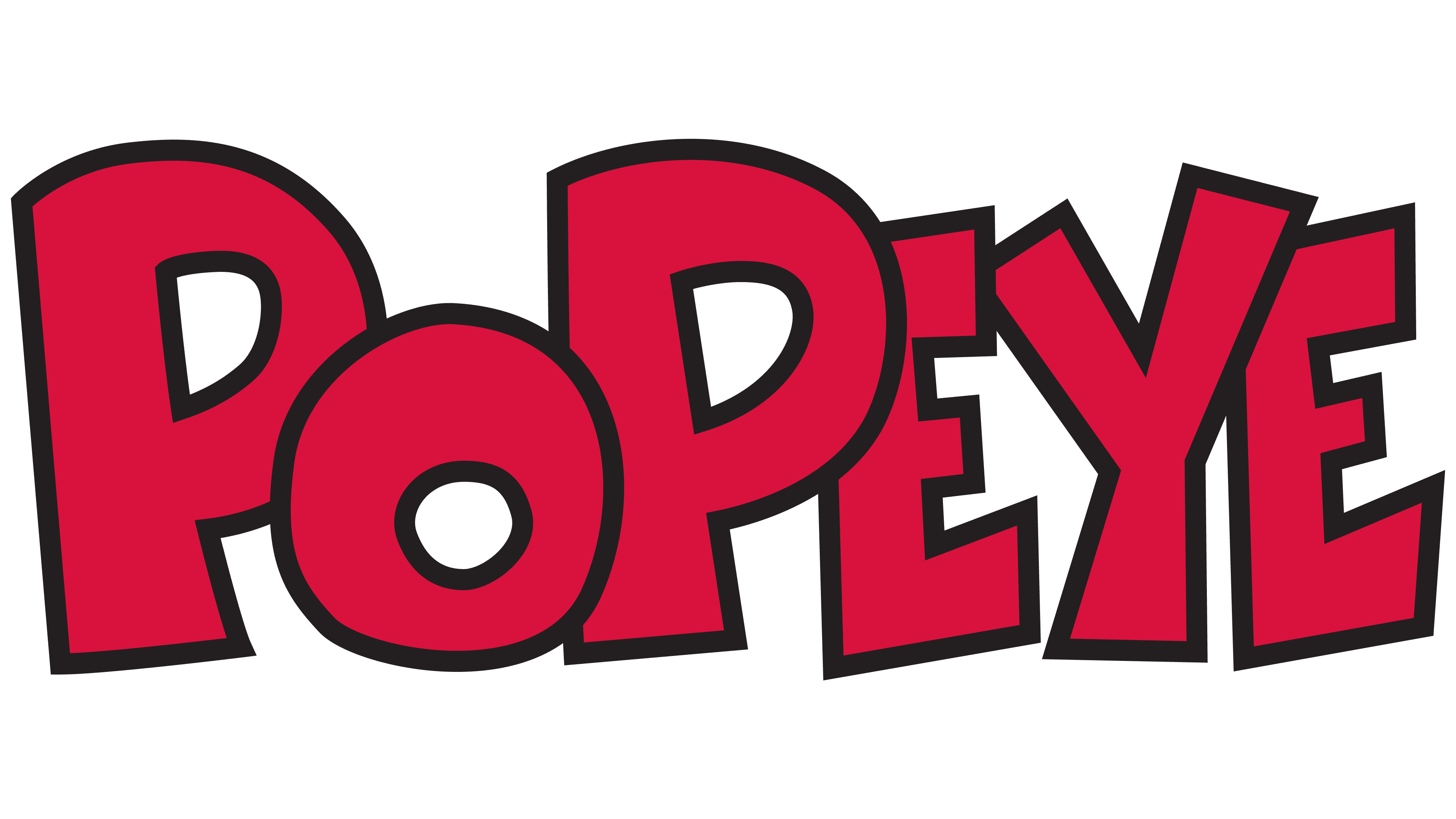
The Popeye Logo heralds a new era in the brand’s visual representation. Now, the emblem showcases letters that mirror a strong, almost “muscular” physique. Circles form the foundation of “P’s” and “O,” while the “E’s” and “Y” display pronounced angles. Such styling gives the letters an animated look reminiscent of a dancing sailor, adding a humorous layer to the logo. The presence of strokes within each letter contributes to the sense of depth and expansion, analogous to muscle growth.
Moreover, there exists an alternate version of the logo. It sports a blue palette featuring an anchor and straight, consistent glyphs, adding to the character’s nautical theme.
Both versions, in essence, playfully encapsulate the traits of the beloved sailor character, Popeye, transforming the logo into a powerful symbol of strength, humor, and a fun seafaring spirit. The logo effectively echoes the brand’s enduring commitment to entertaining its audience through the adventures of its iconic character.
Popeye first appeared on January 17, 1929, in the newspaper comic strip Thimble Theatre, distributed by King Features. He was created by Elzie Crisler Segar, who had been drawing the strip since 1919. At first, Popeye was only a supporting character hired by Castor Oyl to steer a ship to Dice Island. At the same time, Olive Oyl and her family were still the main figures.
Readers quickly responded to the sailor, and by August 1929 Segar brought him back as a regular character. Popeye gradually became the center of the strip, with Olive Oyl as his love interest and later characters including J. Wellington Wimpy, Swee’Pea, Bluto, and the Sea Hag. Spinach was first tied to his strength in July 1931, replacing earlier magical sources from the comic.
In 1932, King Features made a deal with Fleischer Studios, already known for Betty Boop. The first theatrical Popeye cartoon was released in 1933 by Max and Dave Fleischer for Paramount Pictures. The cartoons fixed the famous formula: Bluto threatens Olive, Popeye is beaten down, eats spinach, and wins. During the Great Depression, Fleischer’s rougher urban humor helped Popeye compete directly with Walt Disney’s Mickey Mouse.
After corporate conflict in 1941, Paramount took control of Fleischer Studios and continued Popeye cartoons through Famous Studios until 1957. In total, 231 theatrical shorts were produced. Old Paramount cartoons became popular on U.S. television from 1956, and King Features ordered a new TV series in 1960. Hanna-Barbera later produced The All-New Popeye Hour in 1978, while Robert Altman directed the 1980 live-action Popeye film with Robin Williams.
Meaning and History

In terms of brand identity, the character’s image is instantly recognizable. His bulging forearms, one-eyed squint, and sailor’s attire define the brand’s visual components. The pipe, perpetually clenched between his teeth, and the can of spinach, his ultimate power source, are integral parts of his visual identity.
The core of the brand, though, lies in the sailor’s values and attributes. He represents resilience, honesty, and good-natured humor. He stands up to bullies, helps those in need, and always fights for what’s right. These enduring qualities reinforce the brand’s connection with audiences, contributing to its enduring relevance.
Reflecting on the identity, it’s clear that the brand extends beyond a comic character. It serves as a symbol of strength, kindness, and positivity. The brand’s success is a result of this unique combination of visual elements, core values, and the sailor’s relatable humanity. Thus, despite the changing times, the brand’s essence remains unchanged, ensuring its continued resonance with audiences.
What is Popeye?
Popeye is a fictional character who first appeared in the comic strip “Thimble Theatre” on December 19, 1919, which was created by Elzie Crisler Segar and published by King Features Syndicate. Originating in the United States, Popeye is a sailor known for his distinctive appearance, including his bulging forearms, squinty eye, and pipe, and his love of spinach, which invariably gives him superhuman strength. Over the years, the character’s popularity has grown far beyond the comic strip, with Popeye appearing in animated television shows, films, video games, and various types of merchandise, becoming a beloved figure in global pop culture.
1933

1933 – 1939

1939

1939 – 1941
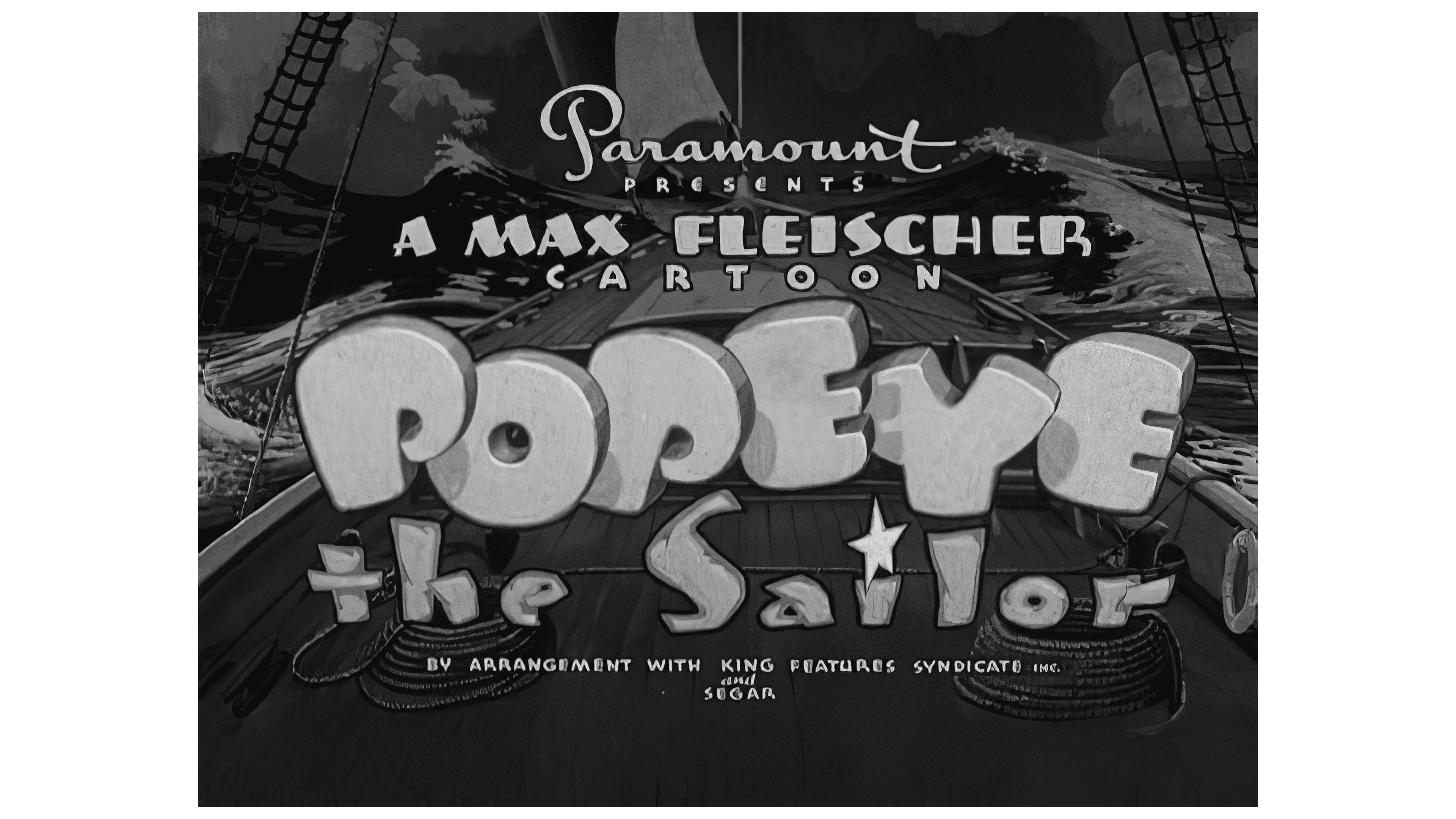
1941 – 1942
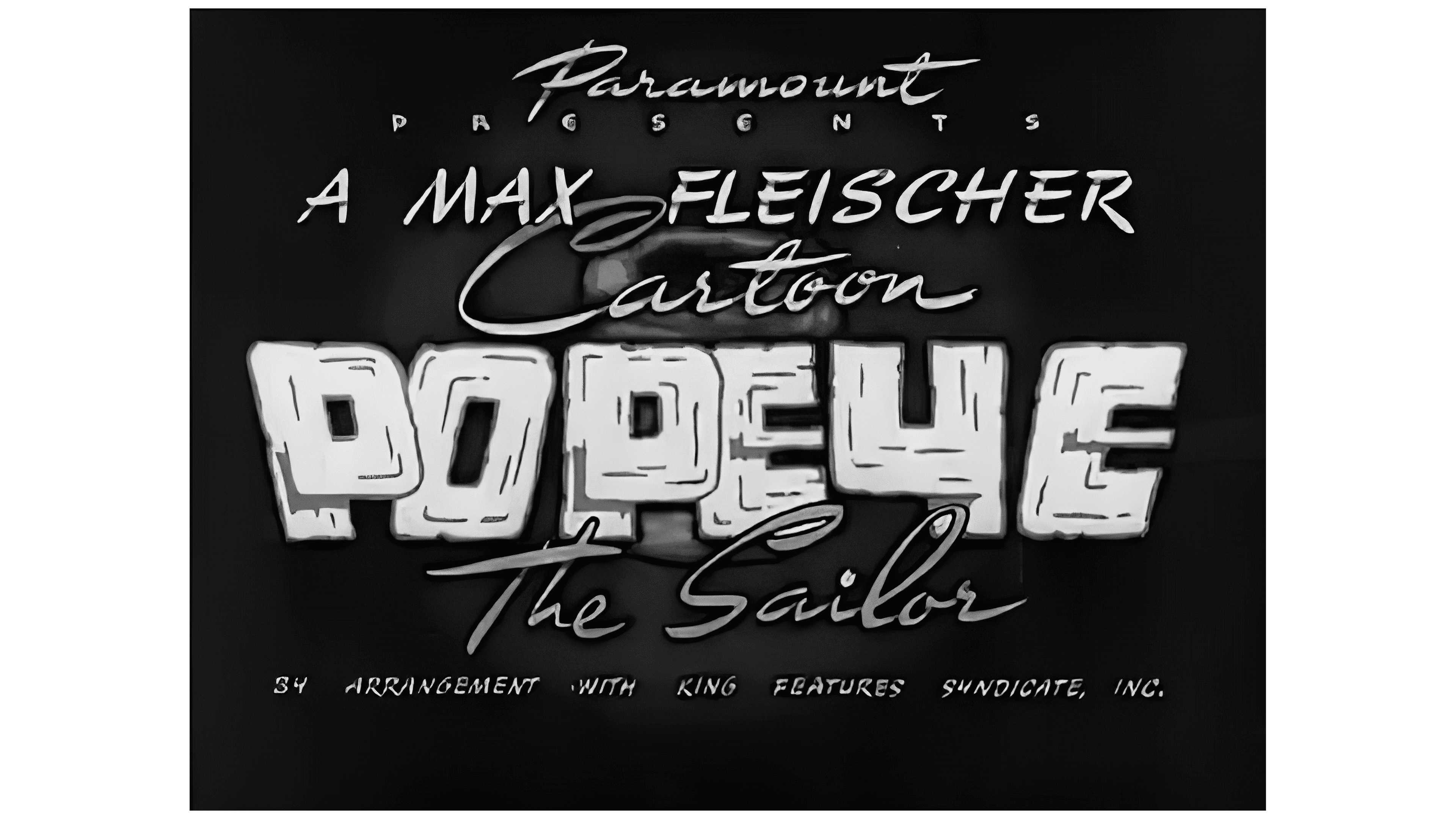
1942 – 1943
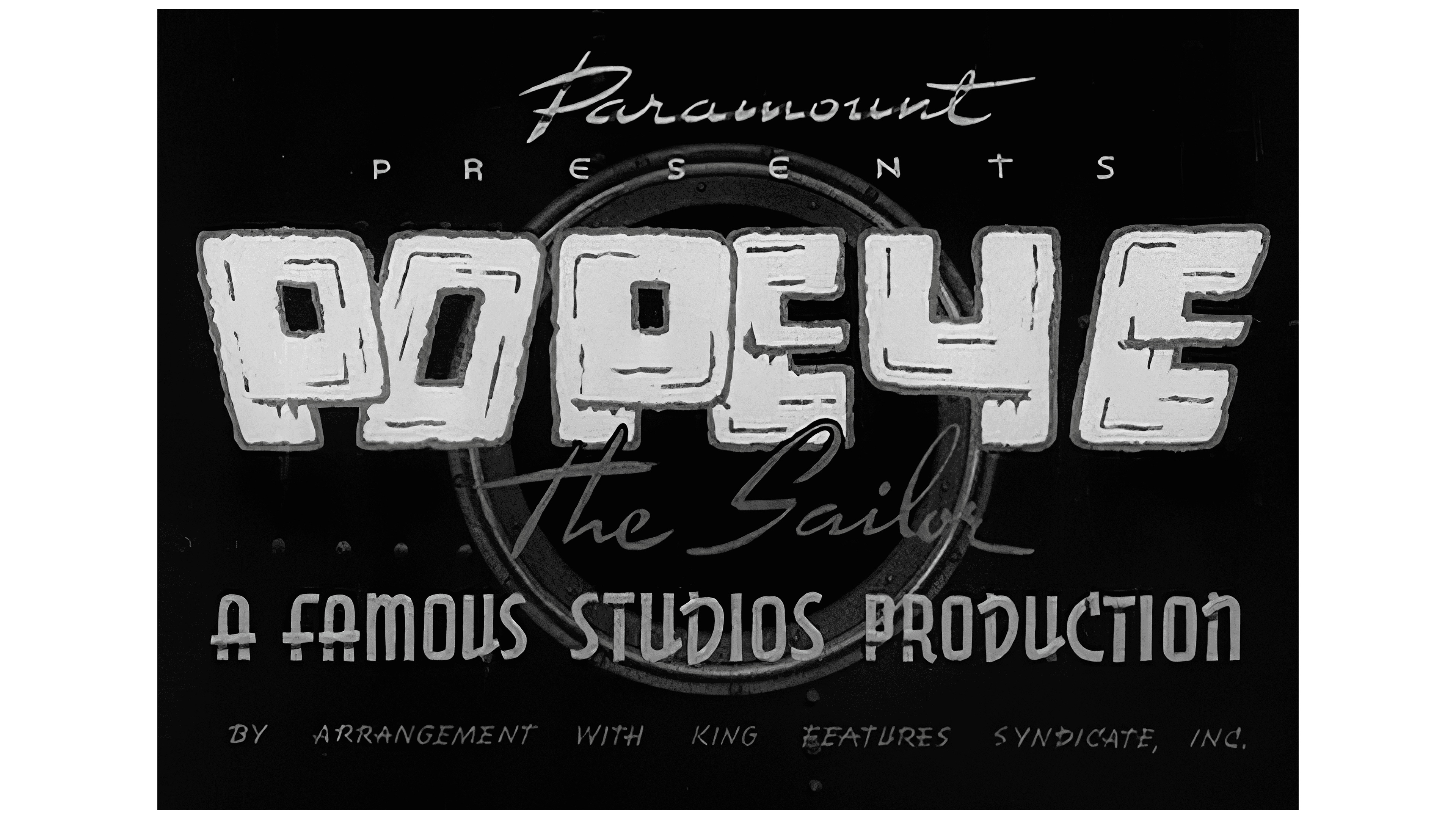
1943 – 1945

1946 – 1948
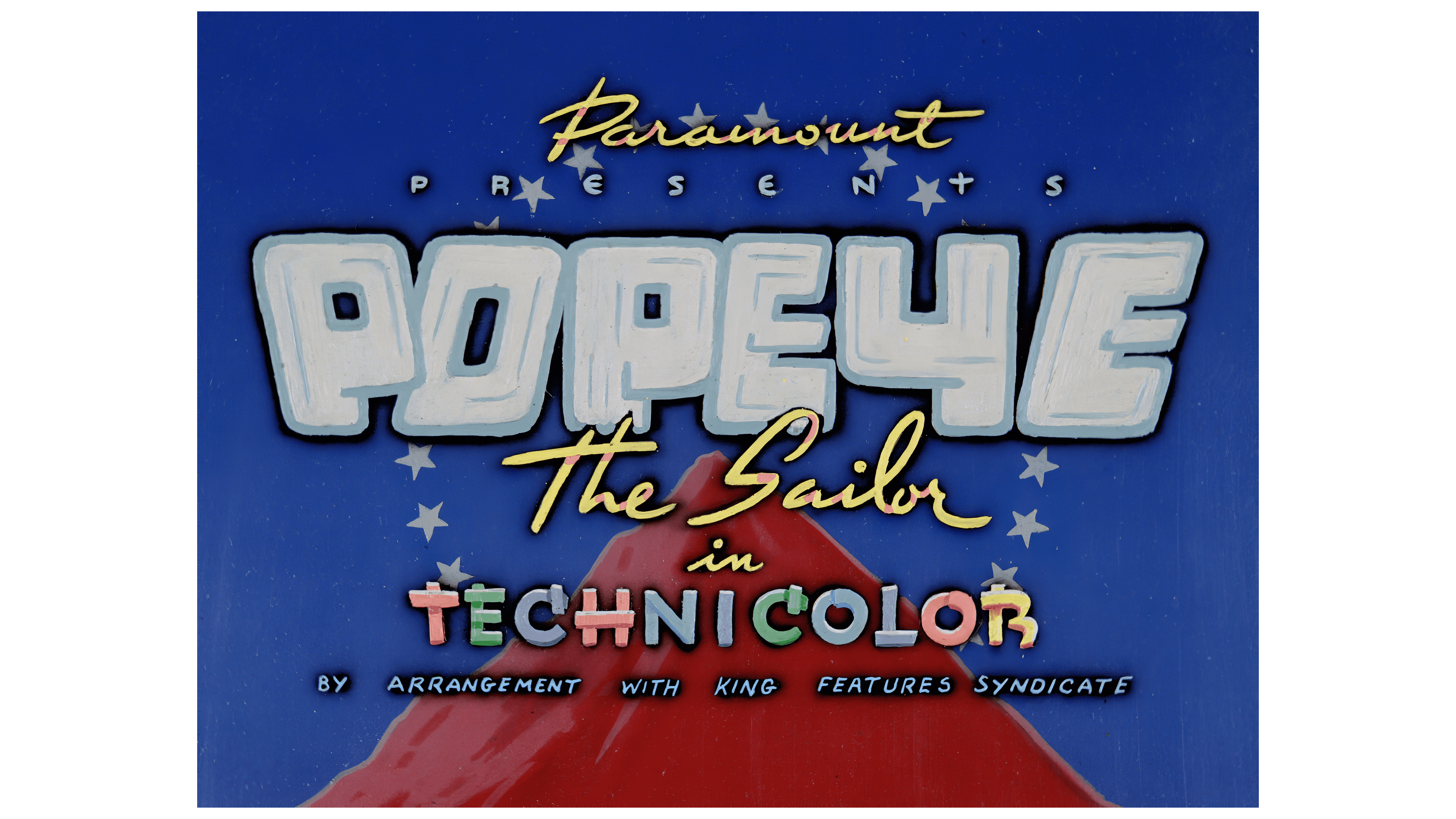
1948 – 1954
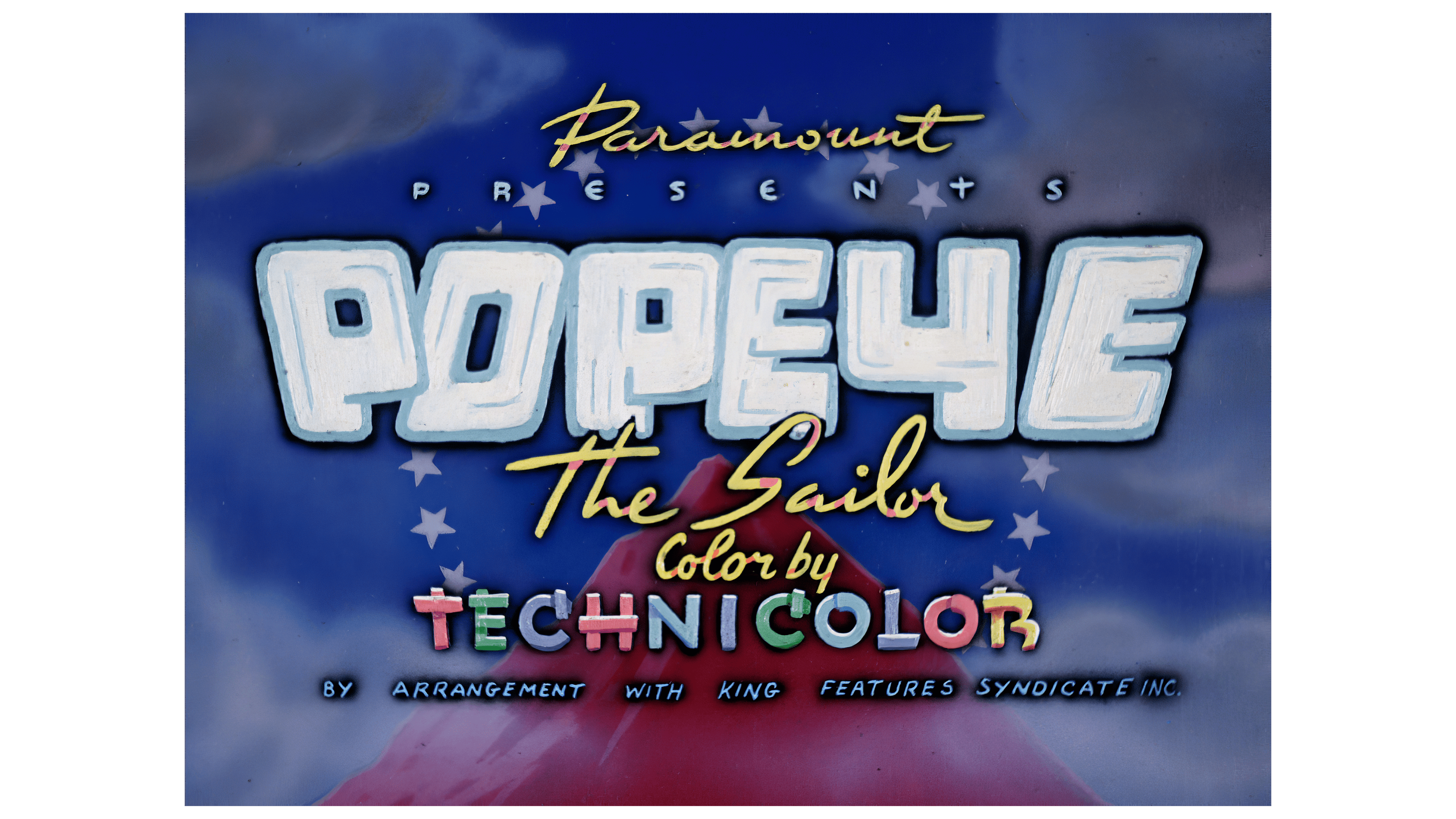
1954 – 1956
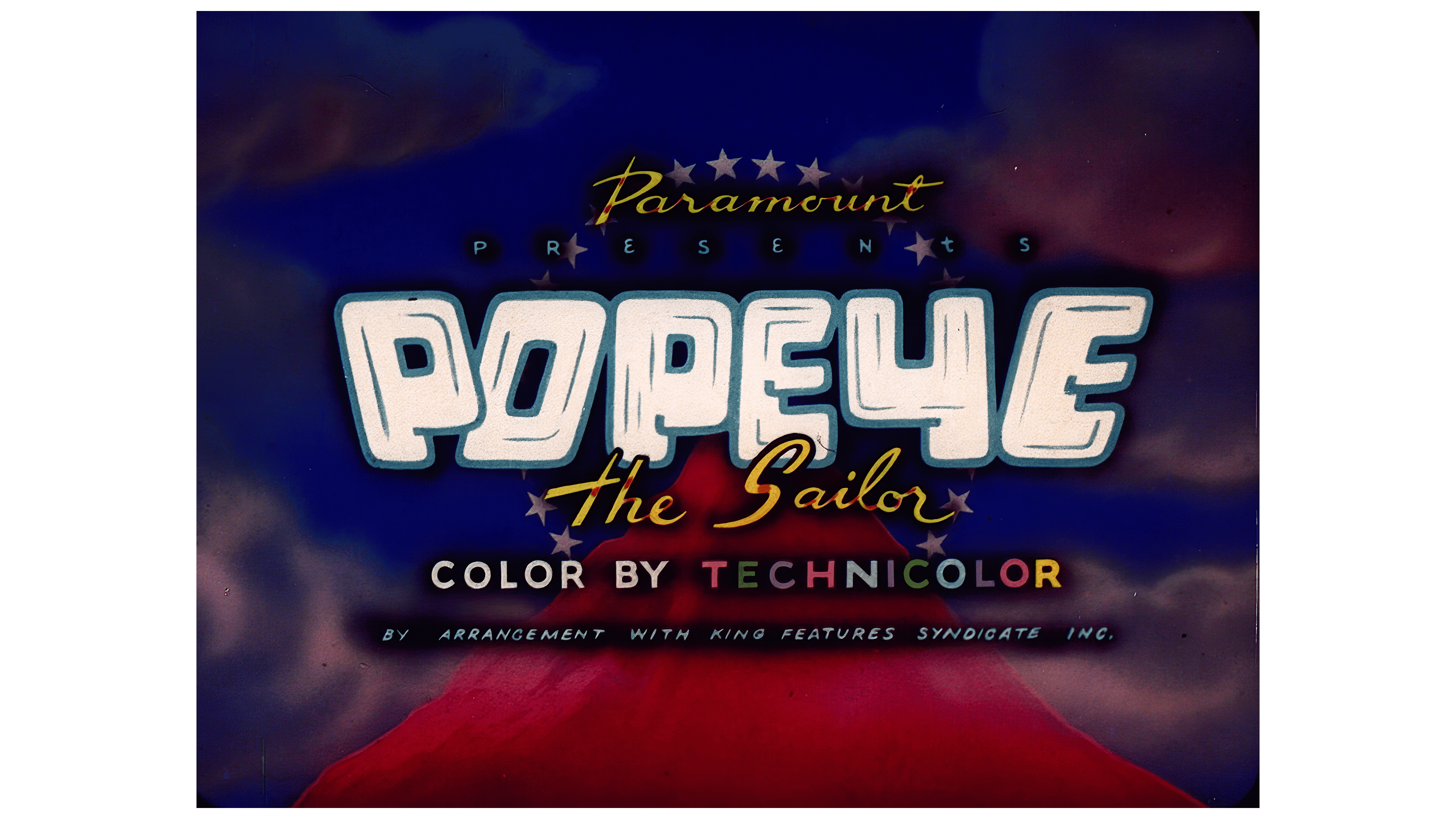
1956 – 1957

1960 – 1962

1970s – today
