


 Blizzard Logo PNG
For this game developer, the name forms the basis of the emblem. But the letters in the emblem aren’t ordinary; they tremble. The shaky-letter effect has been used for a long time: the company chose the Blizzard logo with torn glyphs early in its career. Since then, it has stayed close to the original design because it ties the concept, plot, and identity together.
On February 8, 1991, UCLA graduates Allen Adham, Frank Pearce, and Mike Morhaime founded Silicon & Synapse in Irvine. Each invested about $10,000, and Morhaime borrowed his share from his grandmother. During its first years, the studio mainly survived by porting games, including The Lord of the Rings and Battle Chess II, to Amiga and Windows.
At the same time, the team began making original titles. Rock N’ Roll Racing and The Lost Vikings helped the young studio gain a stronger name among console players. In early 1994, Davidson & Associates bought the company for $6.75 million. After Chaos Studios proved unavailable, the studio was renamed Blizzard Entertainment.
In November 1994, Blizzard released Warcraft: Orcs & Humans, followed by Warcraft II: Tides of Darkness in 1995. In 1996, the company bought Condor Games, renamed it Blizzard North, and released Diablo with Battle.net, an early free online multiplayer service.
StarCraft arrived in March 1998, sold about 3 million copies in its first 3 months, and became a major esports title in South Korea. Diablo II followed in 2000 and became a defining hack-and-slash game of its era. World of Warcraft launched in 2004, sold 240,000 copies in North America on its first day, and reached 12 million subscribers by 2010. After Vivendi Games and Activision merged in 2008, Blizzard released StarCraft II, Diablo III, Hearthstone, and Overwatch. Mike Morhaime stepped down in 2018, and in 2023, Microsoft acquired Activision Blizzard for $68.7 billion.
Meaning and History
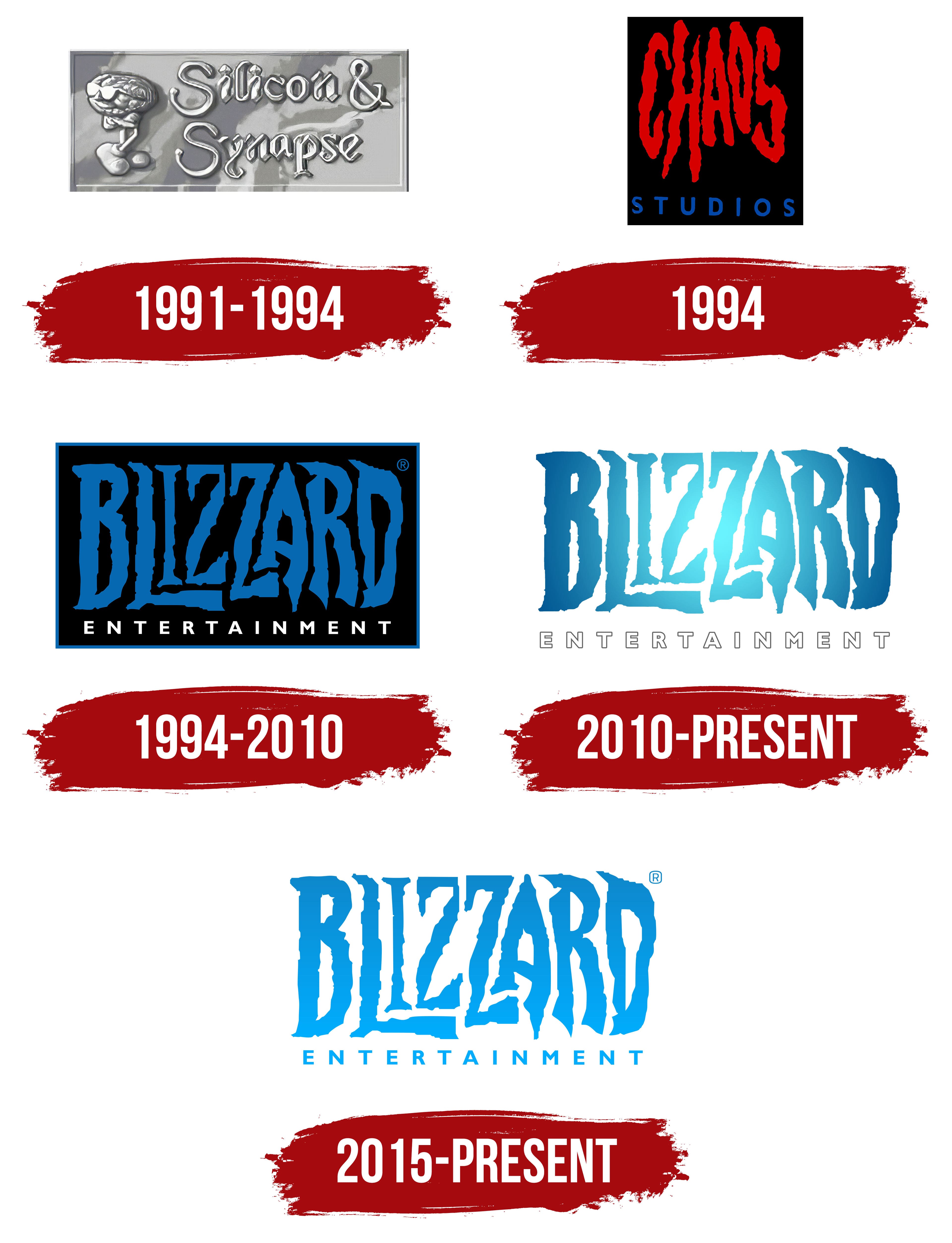
The company’s history began when three University of Los Angeles graduates graduated. The friends decided to start a joint business, and each invested about $10,000. Morhaime borrowed the money from his grandmother. They formed a company focused on designing and creating video games for other studios. In 1993, they developed The Lost Vikings and Rock n’ Roll Racing.
The guys chose the name Silicon & Synapse specifically to emphasize their concept. From their point of view, the word “silicon” should refer to the building block of the computer, and the second part (“synapse”) to the building block of the brain. But in 1993, Adham said this was a bad option and should be changed, because the company was confused about whether to produce silicon for the chemical industry or silicone for the breast implant industry. This is how Chaos Studios was born, embodying unsystematic development processes.
The service then passed from hand to hand until Activision Blizzard finally acquired it. However, Microsoft Corporation recently announced its intention to acquire a well-known computer game developer and make it its sole publisher. The purchase process was supposed to start in January 2022 and be completed in mid-2023. So far, nothing is known about the preservation of identity, but the company has accumulated five logos over its entire existence. Stu Rose designed one of them.
What is Blizzard?
Blizzard is an American corporation called Blizzard Entertainment. It develops and releases video games. Its most famous product is Warcraft. The company was founded in 1991 and was originally called Silicon & Synapse. Later, it was renamed Chaos Studios (1993), and a year later, it took its current name and became a subsidiary of Activision Blizzard. Its founders are Allen Adham, Frank Pearce, and Michael Morhaime. The head office is located in Irvine, California.
1991 – 1994
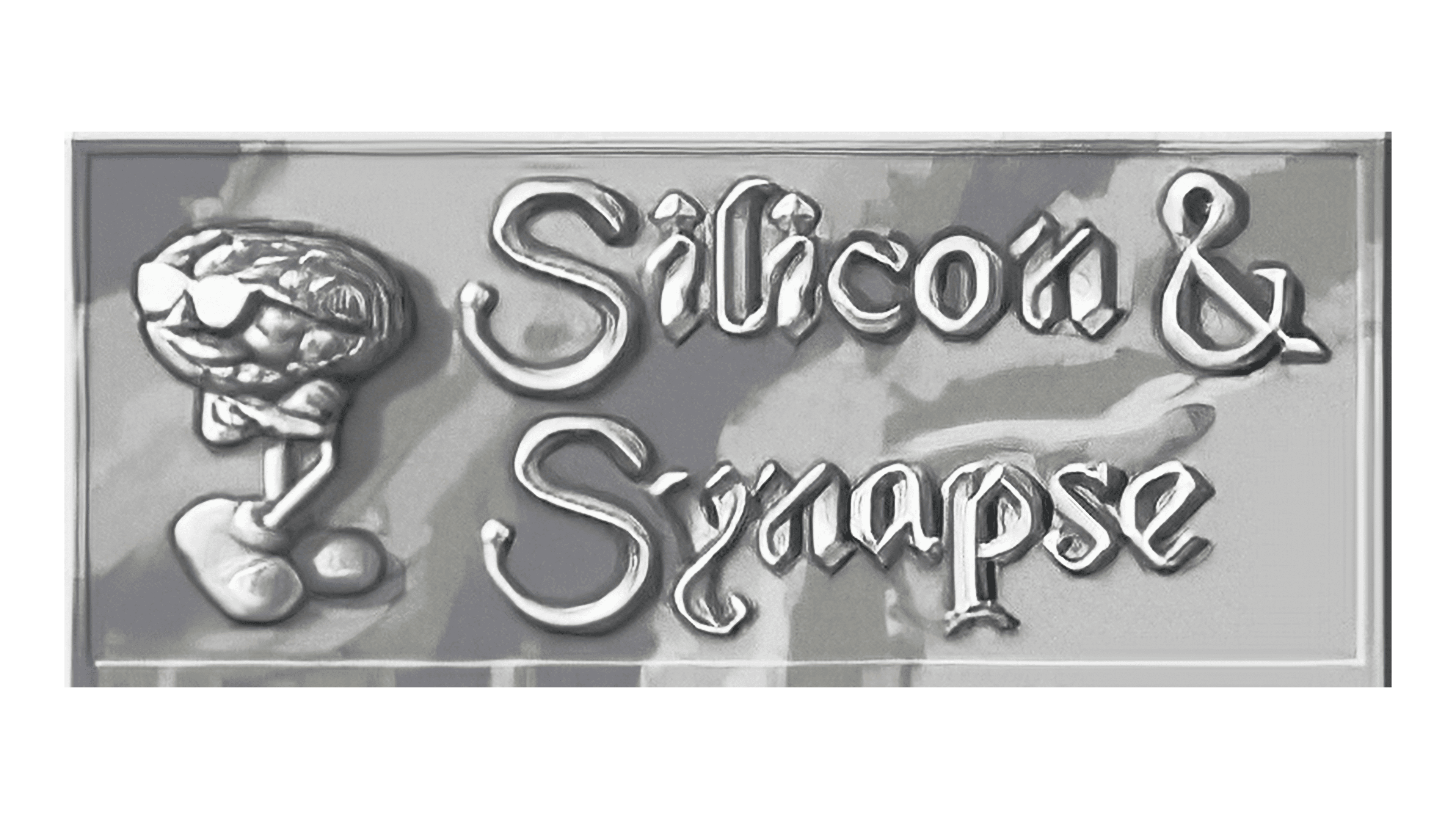
The debut emblem featured an extraordinary character, a brain in glasses with folded arms and crossed legs. He looked to the left. Next to it (on the right) was the company’s name. The phrase “Silicon & Synaps” spanned two lines and resembled handwritten lettering, except that the letters were vertical rather than diagonal. The background was a gray rectangle with light and dark shades scattered chaotically.
1994
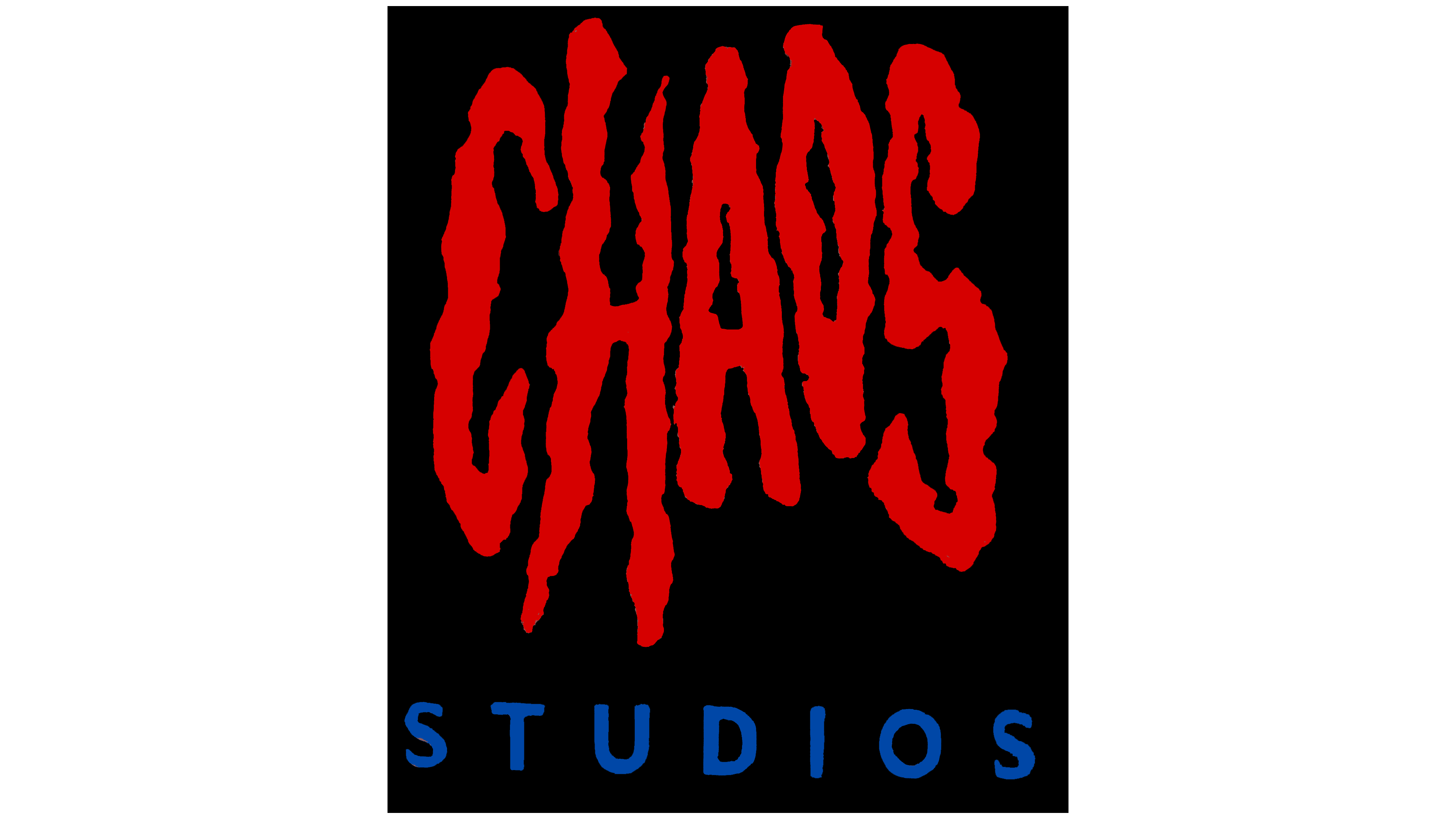
The rebrand updated the visual identity. Its result was a black-and-red rectangle. The dark background, bloody lettering, and bottom lighting created a stunning, mystique-like effect reminiscent of computer games. The military-strategy and battle genres fit this concept perfectly. The first part of the name (“Chaos”) sat in the upper tier and took center stage. It was a red inscription with “trembling” letters. The wavy lines forming the symbols created this impression. The second fragment (“Studios”) sat at the bottom, was painted blue, and used strict sans-serif characters.
1994 – 2010
After rebranding as Blizzard Entertainment, the video game developer received a new logo. The designers retained the old style: “trembling” letters with uneven edges, characters of varying heights, a dark background, and a classic inscription at the bottom in capital letters. But one significant difference remained. The authors depicted the emblem horizontally rather than vertically, as in the previous version, and chose blue instead of red. They circled everything with a frame of the same color.
2010 – today

The next option was a light logo without rectangular frames. The first word of the company name is sky blue, with a highlight in the middle. A whitish highlight appears from under the inscription, further brightening the letters. The second part uses capital letters, white with a black border.
2015 – today
The text remains the same, with only minor changes, and closely matches the 2010 version. They differ in color: in this logo, the letters are much lighter than in the previous one, with a blue tint and gradient transitions. The lower inscription is painted in the same tone as the upper one but without sharp tint variations. It is strict, smooth, and centered. Although it has no frame, the logo retains its hypothetical rectangular shape.
Font and Colors
Blizzard’s visual identity has evolved along with its name. It has been continually modified to match the thematic focus of video games, using non-standard letterforms in various sizes to attract attention. This is the main highlight of the corporate identity.
The basic set is individual. The letters are drawn in a chaotic, wave-like shape with a “trembling” effect. They vary in size and leg height, making them recognizable. While “Blizzard” is in the unique Custom font, “Entertainment” is in Gill Sans Bold.
The corporate palette includes bright colors that stand out clearly on both dark and light backgrounds. These include red and several shades of blue: cobalt, sky blue, and neutral blue. The first logo uses two shades of cool gray.