


 Maltesers Logo PNG
The Maltesers logo represents a symbol of childhood, and the brand’s products are a familiar taste to many. The light, airy milk-filled balls appeal to all taste buds. Seeing the chocolate candy with its light milk filling evokes a desire to forget everything else.
Maltesers began in 1937 in Slough, England, when Forrest Mars Sr. developed a lighter chocolate snack for the British market. The product was designed as an “energy snack” for women who wanted chocolate without the heaviness of regular confectionery. Its formula combined a crisp malted center with a milk chocolate coating, creating a texture unlike that of dense chocolate bars and filled candies.
The name came from “malt” and “teasers,” linking the ingredient base to the product’s playful tone. Early advertising stressed its lightness through the line “The chocolate with the less fattening centre.” Wartime rationing during the Second World War restricted production, but after the conflict the candy became part of everyday British confectionery culture.
In the 1950s and 1960s, production and distribution expanded, mainly across Commonwealth markets. The brand was promoted as a cinema treat, connecting it with leisure and casual snacking. In the 1970s, the campaign “The lighter way to enjoy chocolate” developed the same message. In the 1980s, production began in Australia, while portion packs and family bags introduced new retail formats for the product.
The range grew from the 1990s onward. Teasers appeared in 1994, followed by seasonal products in the 2000s, including Easter eggs. Later launches included Buttons in 2012, Teasers bars in 2015, Truffles in 2020, White Chocolate in 2021, and Moments in 2022 with fruit, mint, and caramel fillings. In 2023, the brand launched “Celebrate the Light Side,” introduced a plant-based version, and expanded its online shop with exclusive sets.
Meaning and History
What is Maltesers?
This well-known candy company is well-known for its distinctive chocolate-covered malt balls. Mars makes these crunchy, light sweets in a unique spherical shape with a honeycomb-like center. The product has a creamy milk chocolate coating over a crunchy malt-flavored center, which creates a nice textural contrast. Their airy texture and comparatively low calorie count compared to solid chocolate bars are highlighted by their marketing statement, “An easy way to enjoy chocolate.”
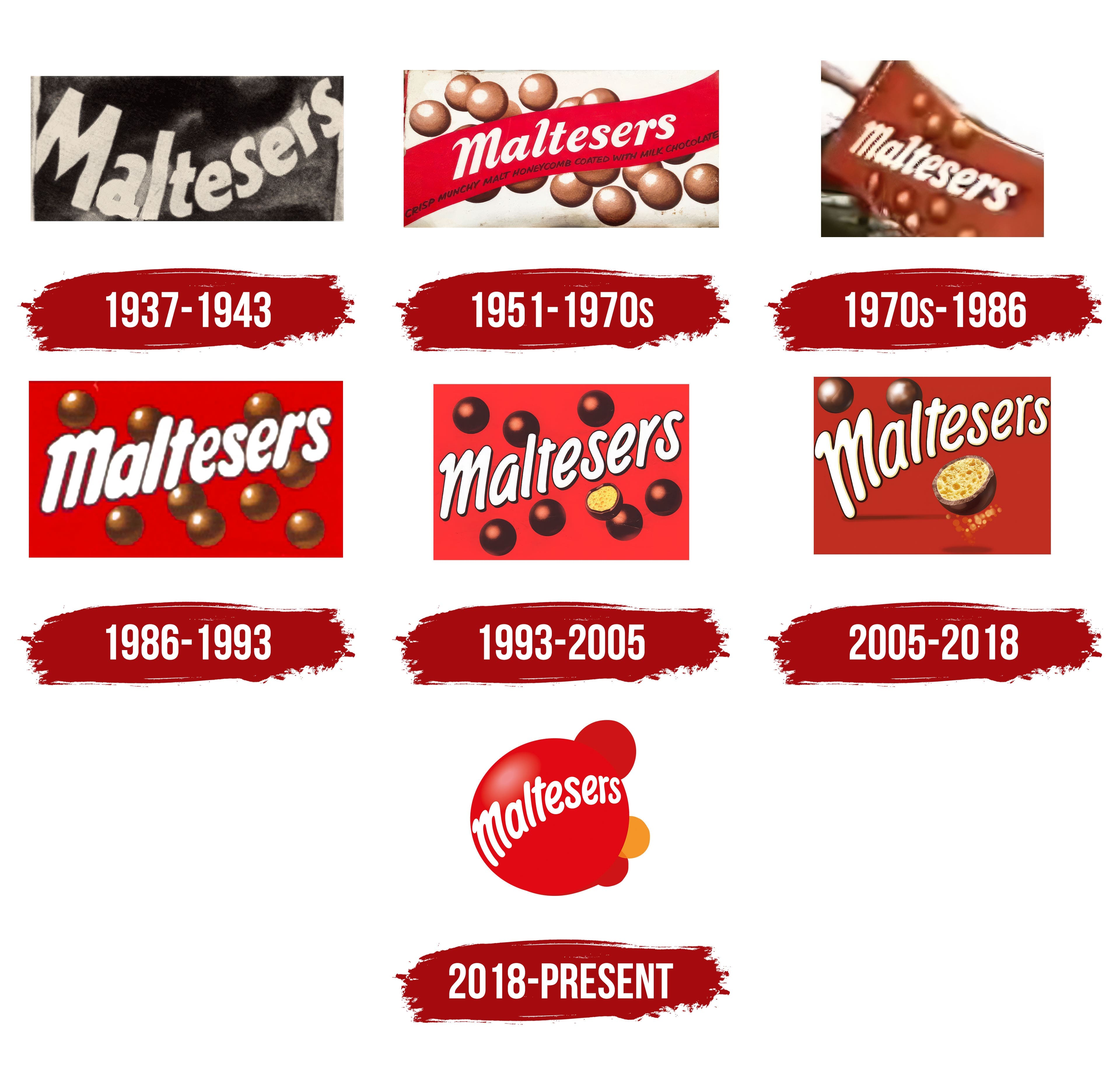
1937 – 1943
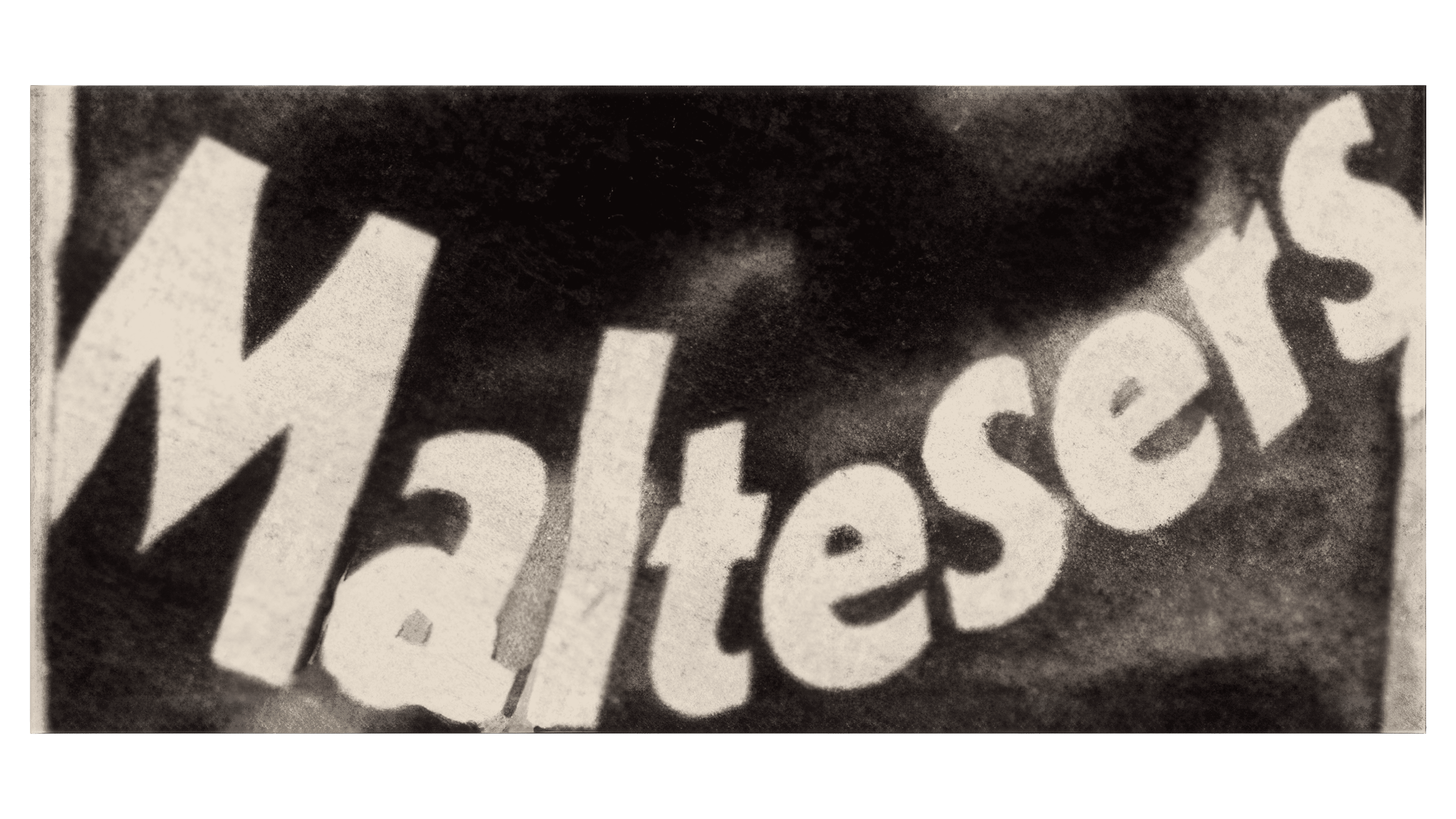
The first Maltesers logo was straightforward in form and symbolism. It reflected all the delicious features of the product and the elegance of each ball from the package. The color choices were minimal, focusing on the name of the sweets. The large, light-colored letters on a dark background stood out. The wavy inclination of the text element turned the letters into dancing symbols, indicating playfulness, lightness, and absolute freedom.
The logo aimed to emphasize the product’s airiness through various means. Therefore, the logo had an overall geometric form (rectangle) but lacked sharp corners on each consonant letter. Letters like “l,” “t,” “s,” and “r” had rounded corners.
In the first iteration, only the capital letter was slightly more restrained than the others. It was simple, like traditional chocolate bars, while the rest of the letters were new, light, and airy, like the snack balls.
The brand’s logo stood out from competitors for its individuality and dynamism. The “Maltesers” logo was well-identified and liked by both children and adults.
1951 – 1970s
The desire to improve product quality led to significant changes in the logo. It is now colorful, bright, and more informative.
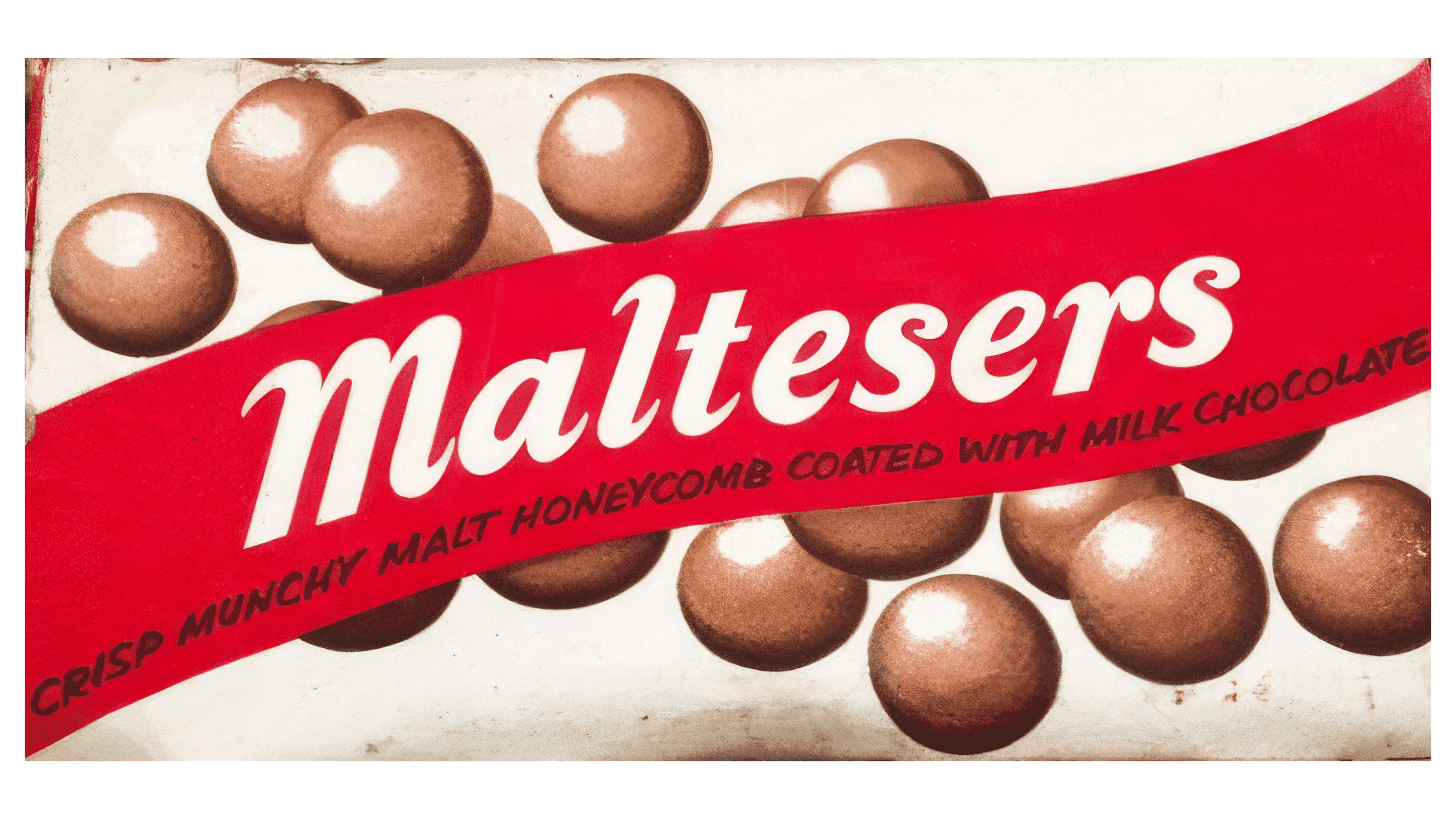
The logo no longer consisted of just two elements: text and background. New additions were made: another background and images of the most delicious chocolate balls with natural ingredients and superior filling. Alongside the letters’ legibility and the red background’s beauty, the clients were enticed to try what looked delicious against the milky background.
The visualization of the packaging contents attracted more target audiences, increasing overall sales of the chocolate treats.
The realistic depiction of dark brown products with white centers created a desire to try the treat immediately. The brand name in white and red indicates the creator.
The letters were now voluminous and neat. The capital “M” was similar to the others. The logo had 16 chocolate balls, and each new logo development altered the number of sweets.
Detailing included a phrase written in black script on a red banner: “Crisp Munchy Malt Honeycomb Coated with Milk Chocolate.” The company’s honesty and openness towards its customers were highlighted. The recipe remained a secret, but the ingredients of each ball were boldly displayed on the logo. Interestingly, people paid more attention to this new logo than to its predecessor. Everyone wanted to know the ingredients of the light snack.
1970s – 1986

This period marked the company’s position as a provider of pleasure. Each treat promised multifaceted happiness and joy. The taste and benefits, energy boost, and good mood were guaranteed for anyone who succumbed to the temptation of just one Malteser ball.
Such a philosophy was reflected in the logo. The bright red background was eye-catching and memorable. The white letters were noticeable and well-identified the company. Nine large chocolate balls tempted and aroused hunger. The combination of elements created an excellent visual effect. The dynamic letters tilted and followed one another like a boat on waves, enhancing this effect.
1986 – 1993
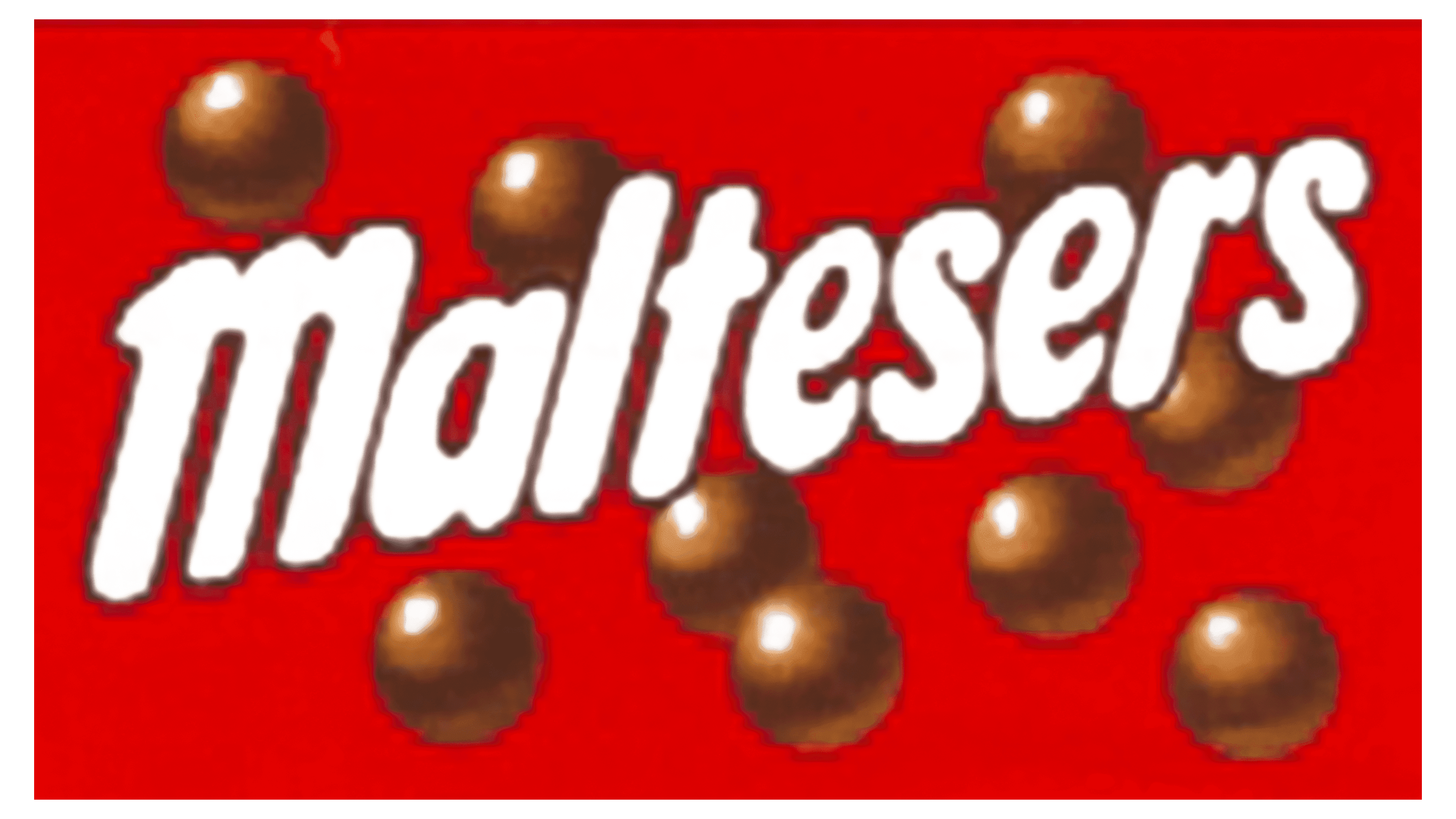
The focus now shifted to graphics and innovations. Keeping up with the times, the company used modern techniques to draw attention to its products. The background became brighter, richer, and more contrasting. The white letters were a key element of the overall color scheme. The balls appeared to be in free fall, symbolizing freedom of choice and the excellent opportunity to quickly satisfy hunger. Interestingly, the arithmetic of letters and balls matched, conveying reliability and stability through identical numerical values.
1993 – 2005
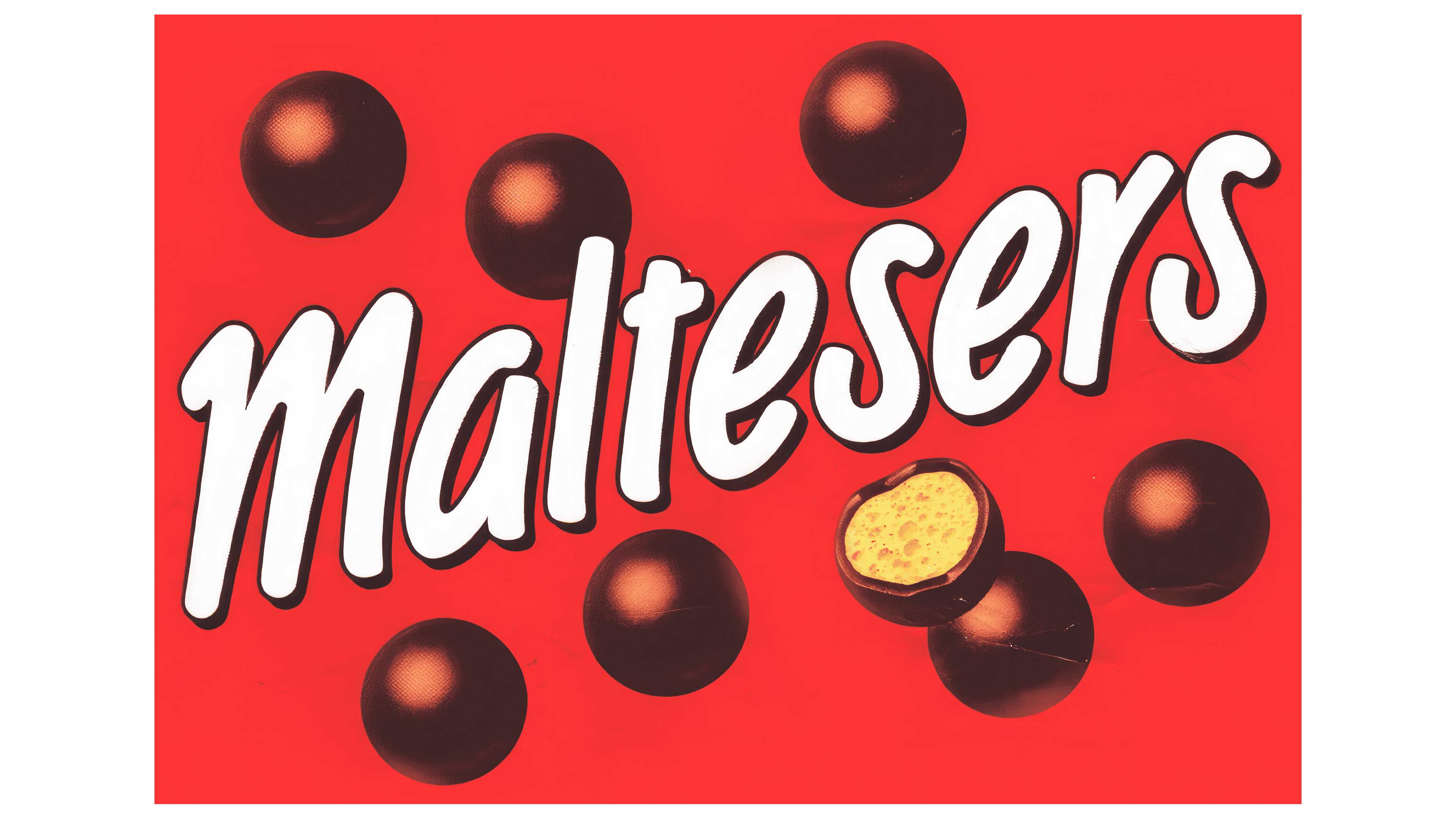
In 1993, a logo combined familiar elements from previous logos. Tradition took the forefront. The focus was on the familiar, unmatched taste of the beloved candies. Therefore, the red background was retained. The letters, appearing lively, were placed in a row with minimal spacing between them. The product was depicted, but in a new format. A half ball allowed one to see the superiority of the filling. This cross-section image of the candy effectively replaced the phrase “Crisp Munchy Malt Honeycomb Coated with Milk Chocolate” from 1951.
2005 – 2018
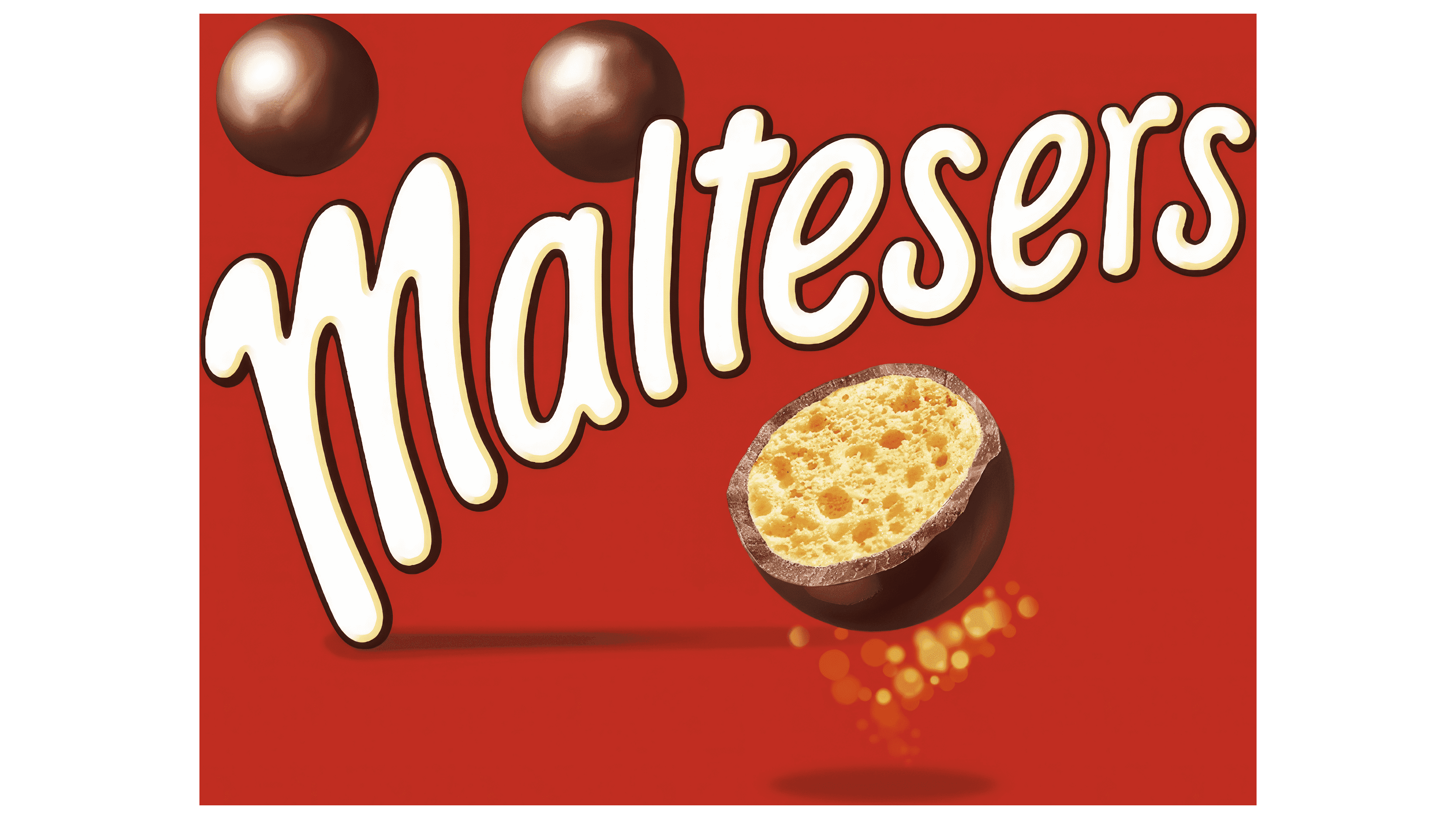
The logo’s modern aesthetics were bright and simple. Each element was highly visualized. There were no excesses since the treats were unique and packed with countless taste highlights. The new logo featured three balls, one of which showcased the value of the filling. The candies were voluminous; the background remained traditionally red. Large and slightly elongated letters were arranged from larger to smaller along a smooth, oval line. They were dynamic, much like the company’s development over 80 years.
2018 – today
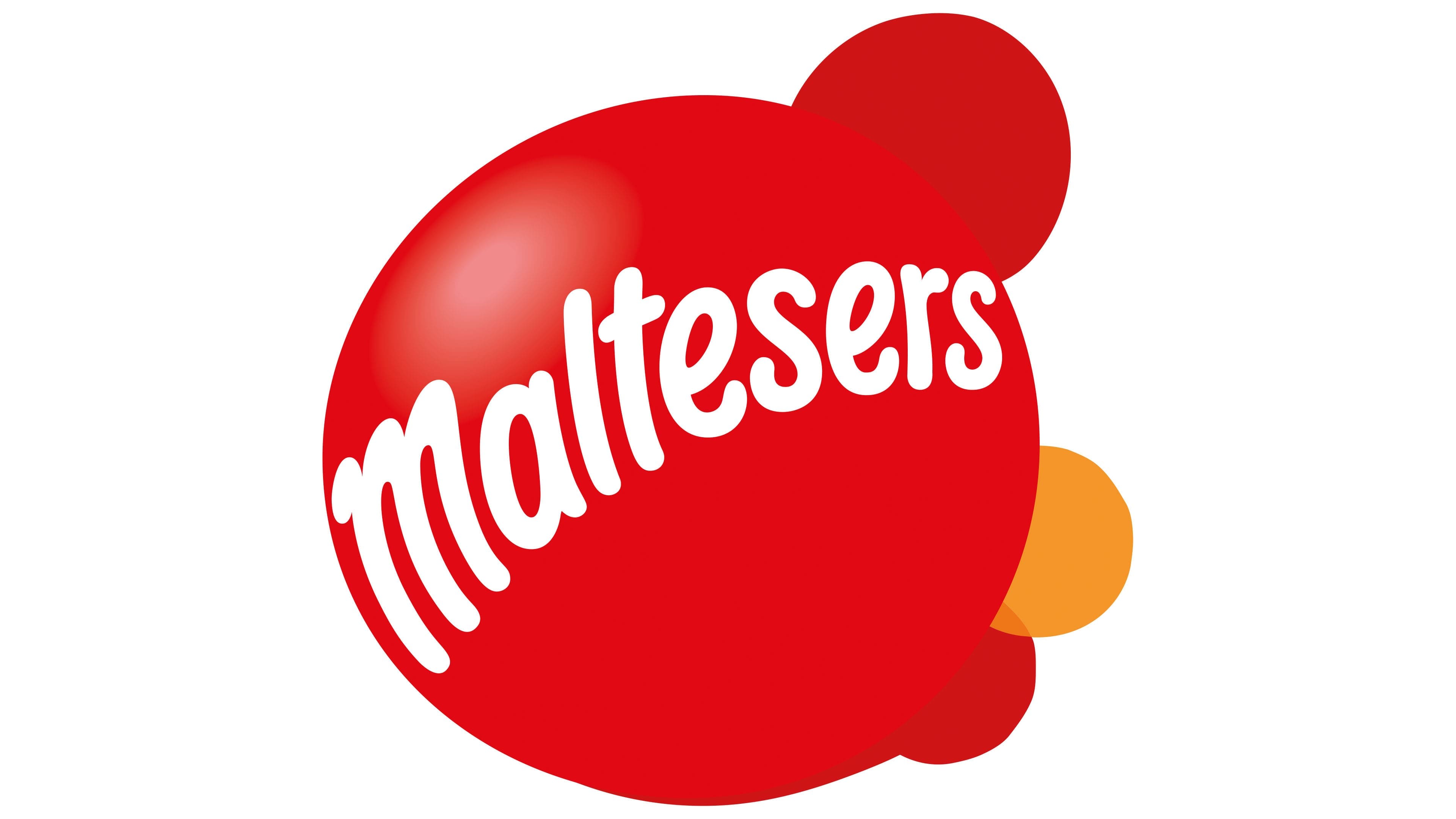
The new period marked significant changes: the focus shifted, and the letters became part of the voluminous, airy treat. The red color, attracting attention, remained, but now had several shades, highlighting the intricacies of the airy balls that promised a unique aftertaste for everyone who tried them.
Interestingly, the new logo featured a single round orange element for the first time, standing out against the others and identifying the product as unique.
Individuality became crucial, alongside quality, the hallmarks of the new era, captured in the logo.