


 Swiss Re Logo PNG
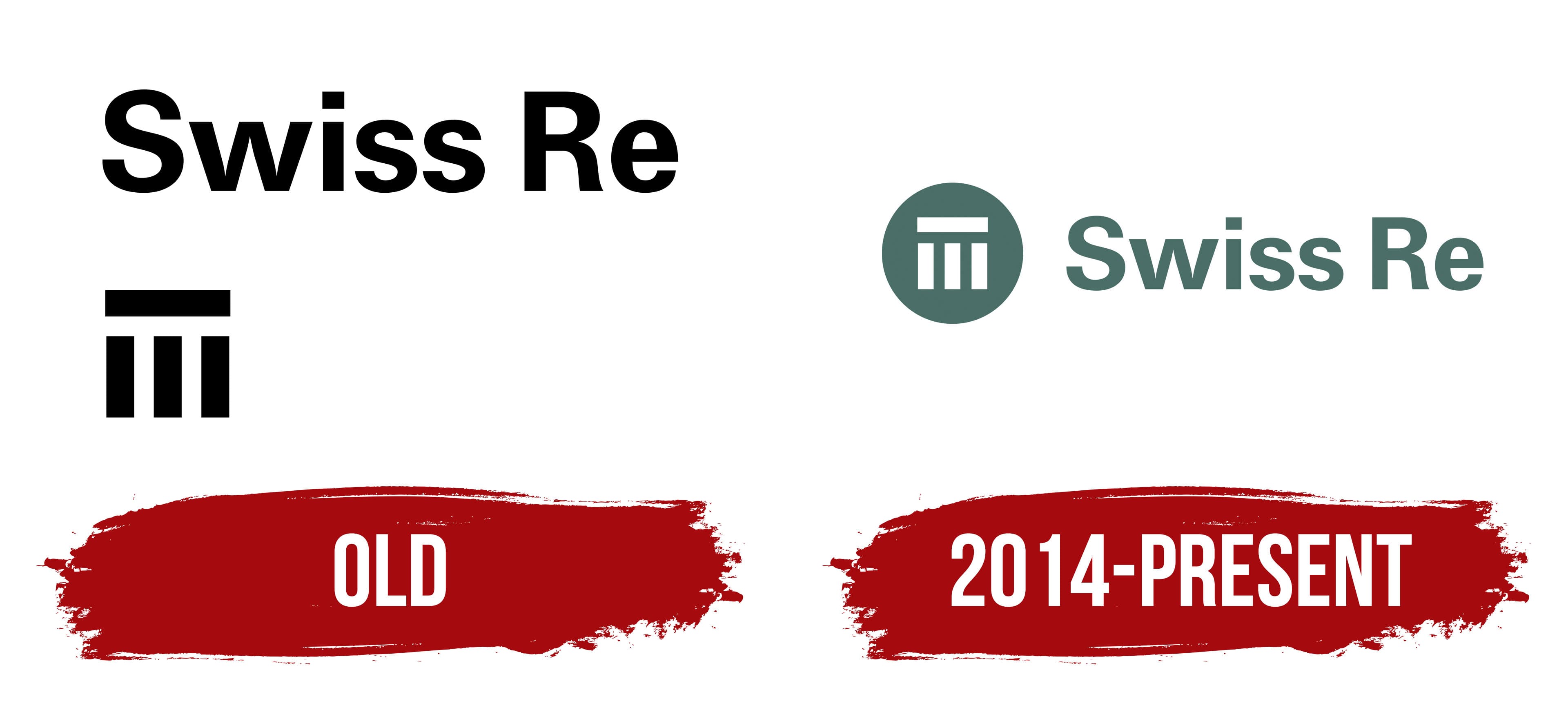
The Swiss Re logo upholds the company’s image as one with a rich history and a strong commitment to quality and reliability. Classical architectural elements inspire the emblem, which symbolizes the protection of property and the family home, important aspects of human life.
Swiss Re was founded in Zurich on 19 December 1863 as Schweizerische Rückversicherungs-Gesellschaft. Its creation involved Helvetia General Insurance Company, Credit Suisse, and other institutions. The 1861 fire in Glarus had exposed insurers’ vulnerability to large catastrophes, making reinsurance a practical necessity for the Swiss market.
In its first years, Swiss Re focused on fire reinsurance across Europe. During the 1870s, it opened offices in London, Paris, and Hamburg, then added marine and transport reinsurance. The move into the United States in the 1890s gave the company a wider risk base. After the 1906 San Francisco earthquake, Swiss Re met its financial obligations, a major test for its balance sheet and claims discipline.
World War I created pressure on capital and investments, but Swiss Re remained stable through conservative risk management. In the interwar years, it continued international expansion. In the 1940s and 1950s, the company added life insurance and industrial-risk products, while building positions in developing markets. In the 1960s and 1970s, it invested in risk analysis, technology, and a research center for emerging risk categories.
In the 1980s, Swiss Re expanded across Asia-Pacific with offices in Tokyo, Hong Kong, and Singapore. In the 1990s and 2000s, acquisitions became a major growth tool. The 2006 $6.8 billion purchase of GE Insurance Solutions’ life and health business strengthened its position in that segment. In the 2010s, Swiss Re invested in big data and artificial intelligence for risk assessment. From 2020 to 2023, it expanded cyber-risk services and broader risk-management products.
Meaning and History
What is Swiss Re?
This is one of the largest reinsurance companies in the world, based in Switzerland. It offers asset management, risk financing, and risk transfer services to public sector organizations, insurance companies, and businesses worldwide. It specializes in managing risks related to natural disasters, health, liability, finance, etc. By assuming a portion of the risk from primary insurers, the firm helps the global insurance market function smoothly, enabling primary insurers to underwrite larger policies and manage their exposure.
Old

The company’s identity is tied to architecture and art. It incorporates artworks into its buildings, emphasizing inspiration drawn from timeless ideas of beauty and harmony. This is reflected in the logo, where a column-like symbol appears beneath the name.
The symbol represents stability, reliability, and resilience. Three columns are connected by a horizontal bar, forming an arch. This design evokes architecture and the concept of a home as a sign of protection and security, values people seek to preserve. The logo’s symbol highlights the company’s foundational principles that safeguard key interests.
The symbol at the bottom highlights the foundation that shapes Swiss Re’s business. The name directly references the company’s Swiss roots, which are renowned for their quality traditions. The abbreviation “Re” for Reinsurance reflects the company’s specialization. Swiss Re operates in reinsurance, supporting primary insurers and strengthening their positions.
2014 – today

In the updated logo design, the architectural element is centered within a gray-green circle, symbolizing safety and protection. The company name is positioned to the right of the image, completing the overall composition.
Integrating the pension division of HSBC Life (UK) enabled business expansion, strengthened the company’s influence, and enabled entry into new areas. Green is associated with life and renewal, while its combination with gray emphasizes maturity and experience. This aligns with the theme of pension payments safeguarded by the brand’s insurance coverage.