 UniCredit Bank Logo PNG
UniCredit traces its roots to Banca di Genova, founded on 27 March 1870 by Genoese shareholders from the Pallavicino and Balbi families, as well as bankers and merchants. The bank started with 2 million Italian lire in capital. It opened an office in Buenos Aires in 1872, signaling early international ambitions. After acquiring Milan’s Banca Vonwiller in 1895, it became Credito Italiano and moved its headquarters from Genoa to Milan in 1907.
Credito Italiano was nationalized in 1937 under Italy’s IRI system and later became the first Italian state bank to be privatized in 1993. The modern group was formed in 1998, when Credito Italiano merged with Rolo Banca 1473, UniCredito, Cassa di Risparmio di Trento e Rovereto, Cassa di Risparmio di Trieste, and other regional banks, creating UniCredito Italiano.
In 1999, UniCredito entered Central and Eastern Europe by acquiring a controlling stake in Poland’s Bank Pekao and stakes in Croatia’s Splitska banka, Slovakia’s Pol’nobanka, and Bulgaria’s Bulbank. That same year, it acquired Boston-based Pioneer Group, whose asset management business became Pioneer Global Asset Management. In 2000, Bank Austria Creditanstalt was added, expanding its regional network.
In 2005, UniCredit announced a €15.4 billion share-swap acquisition of Germany’s HypoVereinsbank, itself formed by the merger of Bayerische Vereinsbank and Bayerische Hypotheken- und Wechsel-Bank. Merrill Lynch banker Andrea Orcel advised on the deal. In 2007, UniCredit bought Rome-based Capitalia and moved its legal seat to Rome. In 2017, it raised €13 billion through a rights issue and returned its legal domicile to Milan.
Meaning and History
What is UniCredit Bank?
This is a well-known European financial organization with a significant presence in Western, Central, and Eastern Europe. It provides millions of consumers with a range of banking services, including corporate, investment, and retail banking. The bank is well-known for its extensive branch network and focus on online banking. The bank significantly facilitates cross-border trade and investment in Europe, leveraging its pan-European presence. It serves many clients, including institutions, large enterprises, individuals, and small businesses. It operates in several countries, each with a separate company branch.
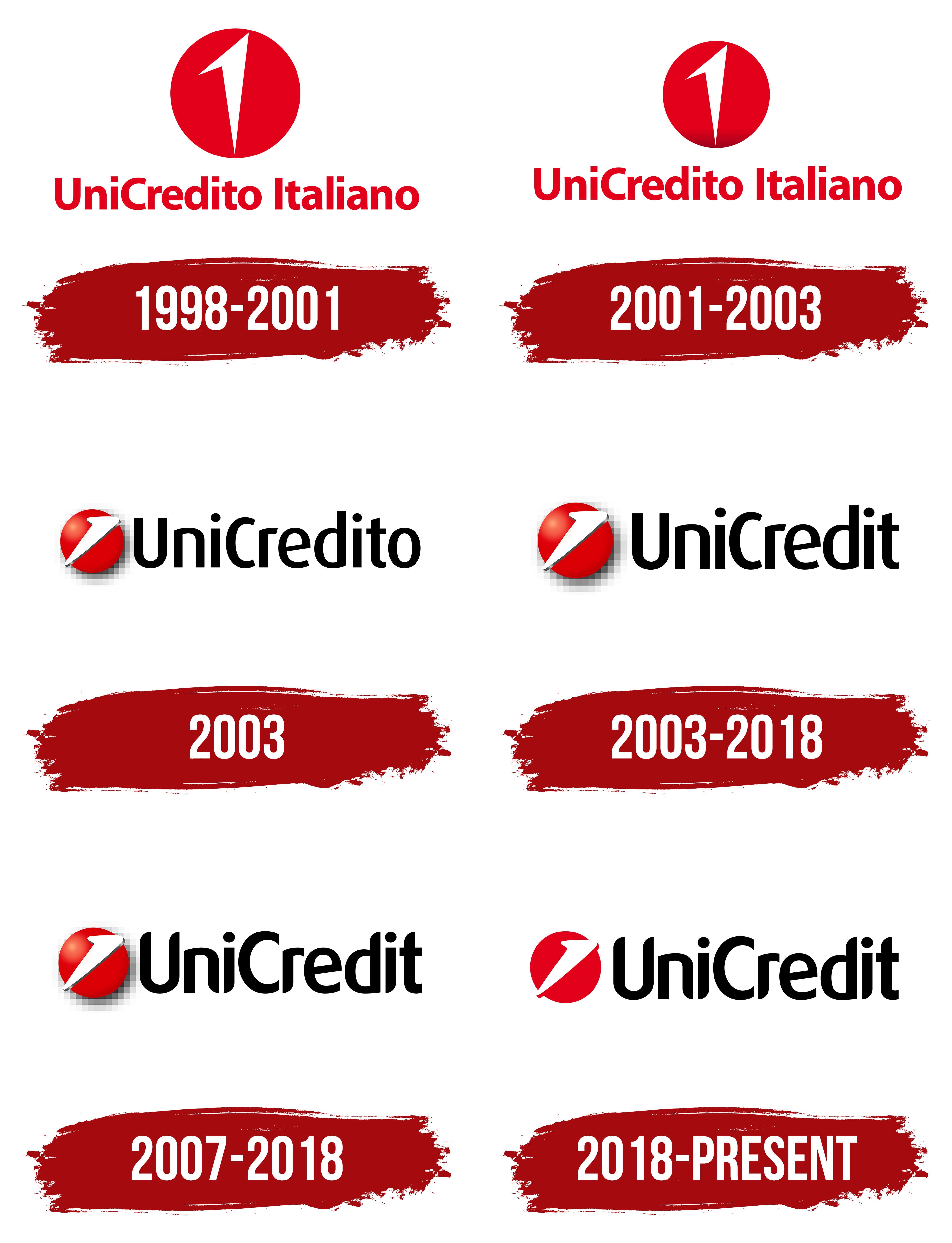
1998 – 2001

2001 – 2003

2003

2003 – 2018

2007 – 2018

2018 – today