


 Bloomberg Logo PNG
Firmness, confidence, and a sense of the future show up in a visual sign. The Bloomberg logo takes the user into the business world, where the strongest win. The emblem shows that the company occupies a worthy place on Olympus.
Meaning and History
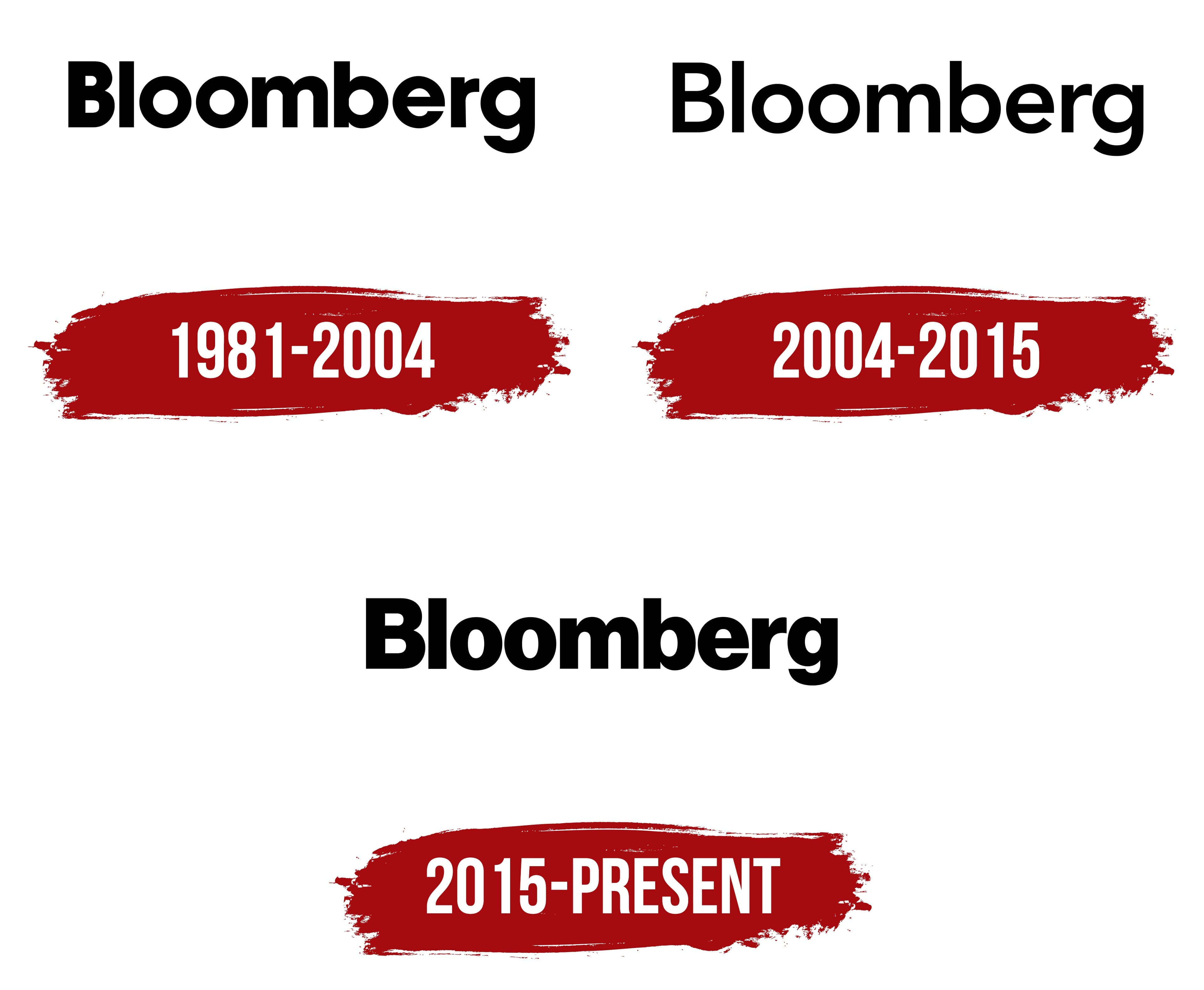
In 1981, Michael Bloomberg developed financial computer programs for Salomon Brothers, a multinational investment bank. To launch IMS (Innovative Market Systems), he used his own $10 million affiliate buyout. As a result, he implemented his digital network to run calculations, provide Wall Street companies with real-time market data, and perform other financial analytics.
In 1982, the firm introduced an innovative terminal, first called Market Master. Merrill Lynch was the first client to buy 20 machines. It also bought 30 percent of the private firm’s stock, paying $30 million over five years, on condition that Bloomberg would not trade with its competitors. In 1986, the media and program service changed its status to L.P. (limited partnership) and began introducing new products. It launched a trading platform, a financial and analytical portal, and a news platform.
In 1996, the company bought 10 percent of Merrill Lynch’s shares. It received the remaining 20 percent during the financial crisis, becoming a purely private entity. Today, Bloomberg is one of the most authoritative and largest media services for financial and programming news. It is very strict about its visual identity, seeking to convey seriousness. The organization’s emblem has undergone only two redesigns, suggesting it intends to stay on its chosen course.
1981 – 2004

The company’s debut logo features bold, black sans-serif lettering. It is just a name on a white background. It contains no decorative elements or other information. The typeface is solid, flat, with distinct lines. There are very few sharp corners on both the outer and inner edges. Mostly rounded and smooth lines predominate. The font used is reminiscent of the ITC Avant Garde Gothic Pro.
2004 – 2015

The updated logo features refined, light, sleek, and chopped lettering. The lettering is close to fonts such as Avenir Pro 85 Heavy and Pulp Display Semi Bold.
2015 – today

After another modification, the visual mark looks much more serious and confident. To this end, the developers changed the font, favoring bold, wide letters. But they kept the combination of lowercase and one uppercase letter.
Font and Colors
The evolution of Bloomberg’s logo reflects a desire to be as strict as possible while remaining modern. The symbols are closely spaced and, as always, are sans serif.

The current logo uses a typeface close to Neue Haas Grotesk and Sequel Sans. These are stylish variants with traditional outlines and smoothed internal letter spacing. The color palette has always been monochrome. It consisted of black (the lettering) and white (the background for the company name).