


 Chicago Sun Times Logo
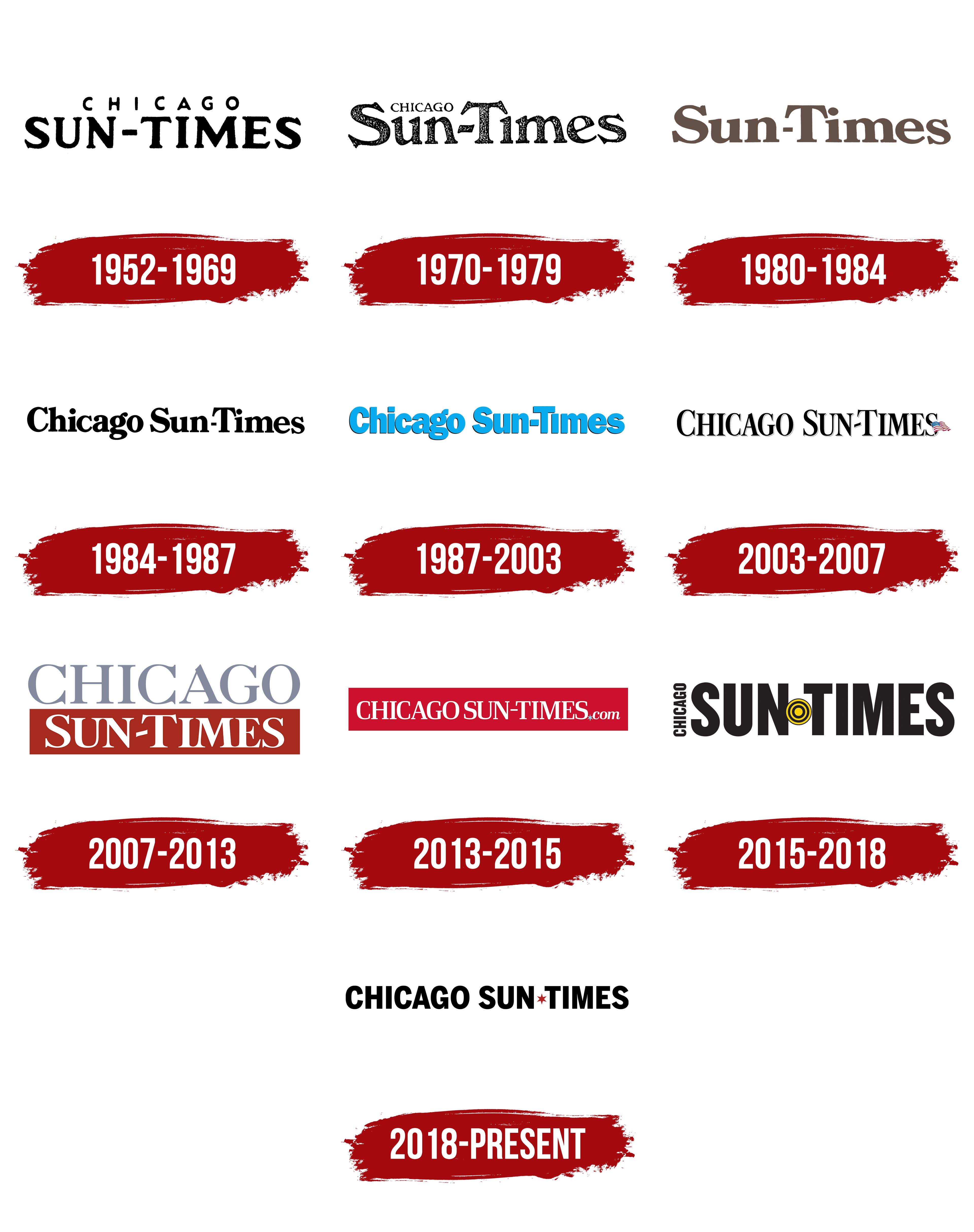
The Chicago Sun Times logo reflects the publication’s history, marked by changes and mergers, while preserving its journalistic spirit. The newspaper has accompanied the city’s life, documenting key events, political upheavals, and epochs of growth, remaining the voice of its time through its reports and columns.
Chicago Sun-Times traces its roots to the Chicago Daily Journal, founded in 1844. In 1929, Samuel Emory Thomason used the Journal’s assets to launch the Chicago Daily Illustrated Times, later renamed Chicago Daily Times. Marshall Field III founded the Chicago Sun on December 4, 1941, as a liberal alternative to the dominant Chicago Tribune. He bought the Times in 1947, and the two papers merged on February 1, 1948.
Under Field Enterprises, the newspaper became known for city reporting and investigations. Roger Ebert joined in 1967 and became the first film critic to win a Pulitzer Prize in 1975. Mike Royko arrived from the Chicago Daily News in 1978. A year earlier, reporters had opened a bar called the Mirage and secretly recorded city inspectors taking bribes, producing a 25-part series on municipal corruption.
Rupert Murdoch bought the paper in 1984 and introduced a more sensational style, like the New York Post. Royko left for the Chicago Tribune. Murdoch sold the newspaper in 1986 to an investor group led by Robert Page, while Conrad Black acquired it in 1994 through American Publishing.
Black’s removal amid a corporate funds investigation was followed by financial instability and bankruptcy. Chicago businessman James Tyree helped bring the paper out of bankruptcy in 2011, but his death led to further ownership changes. In 2022, Chicago Public Media acquired the Sun-Times and combined its newsroom with public radio station WBEZ.
Meaning and History
What is Chicago Sun-Times?
It is one of the leading print publications in the Midwest, covering key events, politics, and urban life. The newspaper is known for detailed investigative journalism, analysis, and relevant reporting. Increased attention to crime and corruption makes the publication an important source of information and a significant voice in shaping public opinion.
1952 – 1969

The Chicago Sun-Times emerged from several newspaper mergers and consolidations. For example, in 1895, the old Chicago Times merged with the Herald, and later, in the 20th century, it underwent further transformations, officially becoming the Sun-Times by 1948. Its name and style reflected this rich history of changes: calm, confident, and clear separation of words and meaning.
The 1952 Chicago Sun-Times emblem was minimalist and text-only. It was simple and serious, typical for newspapers of that era. The name was split into two lines: on top, a small inscription, “CHICAGO,” was written in strict, clean capital letters. The letter spacing was fairly loose, as if to emphasize the newspaper’s regional scope.
The bottom row, “SUN-TIMES,” was massive and bold, indicating the publication’s solidity. The letters were solid, with pronounced thickening, especially at the serifs on the ends, characteristic of classic newspaper typography. The black color was an entirely natural choice, a classic for print media.
1970 – 1979

In the 1970s, the Chicago Sun-Times adopted a different logo, distinct from its stricter predecessors. The publication added a touch of antiquity and uniqueness to its style. The letters looked as if they were printed on an old press, with ink unevenly applied in places, creating a rough, textured effect.
The name was divided into two parts: on top, “CHICAGO” was written in simple, even letters. It was neat and small, placed above the main newspaper title. The main part, “Sun-Times,” was larger and livelier. Here, the letters had interesting curves and decorative serifs, with thin lines contrasting with thickened elements reminiscent of early 20th-century book or magazine fonts.
The change in style was also connected to the era. The 1970s in the U.S. were a time of significant change, when even traditional publications sought to connect more with the people and refresh their formats. The newspaper always focused on city life, urban news, social issues, and political events, so it made sense for its design to become more dynamic, with nods to vintage typography.
The serifs on the letters were pointed and slightly elongated, adding movement to the logo while keeping it traditional and balanced. The newspaper subtly signaled to readers that it remained true to its history and regional character while also adjusting its tone and mood.
1980 – 1984

In the 1980s, the Sun-Times logo became simpler and even warmer. The “Chicago” inscription disappeared, leaving only the clean “Sun-Times” name. The font was heavy and bold, with letters sitting firmly in place, creating the impression of a serious publication without embellishments. The serifs were large, distinct, and slightly angular, yet softly rounded at the edges.
An interesting design choice was the dark brown color. This departed from the usual black-and-white strictness of newspaper headlines and was more reminiscent of the shades of old paper and newspaper pages from past centuries.
1984 – 1987

In the mid-1980s, the publication returned to its full name. The word “Chicago” reappeared in the visual identity, reminding readers of the newspaper’s intended audience. The design was as simple and strict as possible, resembling classic newspaper headlines of that time.
The letters were bold, dense, and firmly aligned in a single row. The font featured strong serifs and neat, slightly angular details at the ends of the letters, giving the emblem a sense of solidity and composure. The letter lines were smooth, without any texture or visual effects.
The logo was black, with no color experiments, which was appropriate for a serious daily newspaper focused on political news, city life, and its residents.
1987 – 2003

The late 1980s logo differed sharply from previous versions: it featured an unexpectedly bright color and a modern style. Instead of strict black, it used a vibrant blue with a black shadow behind the letters. The shadow created a three-dimensional effect, making the letters appear slightly raised and giving them a lively, energetic look.
The font became simple, sans-serif, looking completely different from before. The corners were rounded, making the entire name appear less formal, friendlier, and more open. The newspaper was evolving at this time, striving to reach a broader audience, covering everything from serious political reports to light human-interest stories and sports.
The visual mark felt positive and bright, matching the publication’s style in those years marked by openness and a desire to be closer to the people.
2003 – 2007

In the early 2000s, an interesting design change took place. The newspaper’s full name was again printed in large, solid letters with classic serifs. The font was strict and official, with an outline stroke that made the letters appear more three-dimensional and slightly raised.
The most interesting part of the logo was a small American flag symbol neatly placed on the “S” on the right side. The flag was colorful and vibrant, appearing dynamic as if waving in the wind. This was the first time a color symbol appeared in the newspaper’s name in a long time. Through this small element, the newspaper emphasized its status as an American publication and its connection to national affairs.
2007 – 2013

Starting in 2007, the newspaper introduced a completely different design approach. The name was split into two parts. The upper part, the word “CHICAGO,” was set in an elegant serif font in a calm gray. The lower part, “SUN-TIMES,” was placed in a rectangle on a bright red background, with the letters turned white and more expressive.
The font was strict and classic, in line with the traditional press. The red background with white letters looked fresh and dynamic, making the main part of the name stand out sharply. The result was balanced: the city “CHICAGO” looked restrained, while the newspaper “SUN-TIMES” felt emotional and contrasting.
The two-tone logo, combining the calm of gray and the energy of red, reflected the newspaper’s character: serious journalism paired with a desire to be approachable and understandable to ordinary readers.
2013 – 2015

By 2013, the newspaper confidently transitioned to an online format, and its logo reflected these changes. The newspaper’s full name was written in white capital letters on a bright red background. The font was classic and strict, with serifs. However, the main feature was the small addition of “.com” on the right, set in italics and slightly smaller. This indicated the newspaper was available online and could be read from home.
Next to “.com” was a small blue star, resembling one of the stars from the Chicago city flag. It appeared neat and subtle, serving as a reminder of the newspaper’s roots and strong connection to local news and events.
The red background became a key element, making the design bright and dynamic. This period was one of active experimentation for the newspaper: The Sun-Times became digital and fast-paced, aiming to deliver news quickly while staying in sync with the city’s rhythm. The name took on a more modern look without losing the seriousness of a traditional publication.
2015 – 2018

The emblem took on a different look, standing out from previous versions. It appeared bolder, with a massive, sans-serif font featuring strict, even lines. The word “CHICAGO” was placed vertically on the left side, making it appear taller and thinner, complementing the main title and creating an interesting design choice.
One unique feature was replacing the standard hyphen with a yellow circle containing several concentric black rings. This symbol harmonized with the newspaper’s name, providing a clear visual reference. The yellow circle contrasts with the black letters, making the overall design lively and energetic.
Like the newspaper, the new logo was strict yet vibrant, urban, and dynamic.
2018 – today

The current version of the visual mark is simple and clear. The newspaper’s name is now written in bold, dense, sans-serif letters, making it look as confident and stable as possible. The letters are aligned evenly, with slight spacing, ensuring clarity and readability.
However, an interesting detail appeared between the words “SUN” and “TIMES.” Instead of a standard hyphen, there is a bright red eight-pointed star, a reference to the famous symbol on Chicago’s city flag. This subtle yet meaningful element reinforces the newspaper’s connection to the city in a refined and understated way.
The logo is modern and simple, yet stable and precise, as a daily city newspaper with a long history should be.

chivcago times logo