 NTT Group Logo PNG
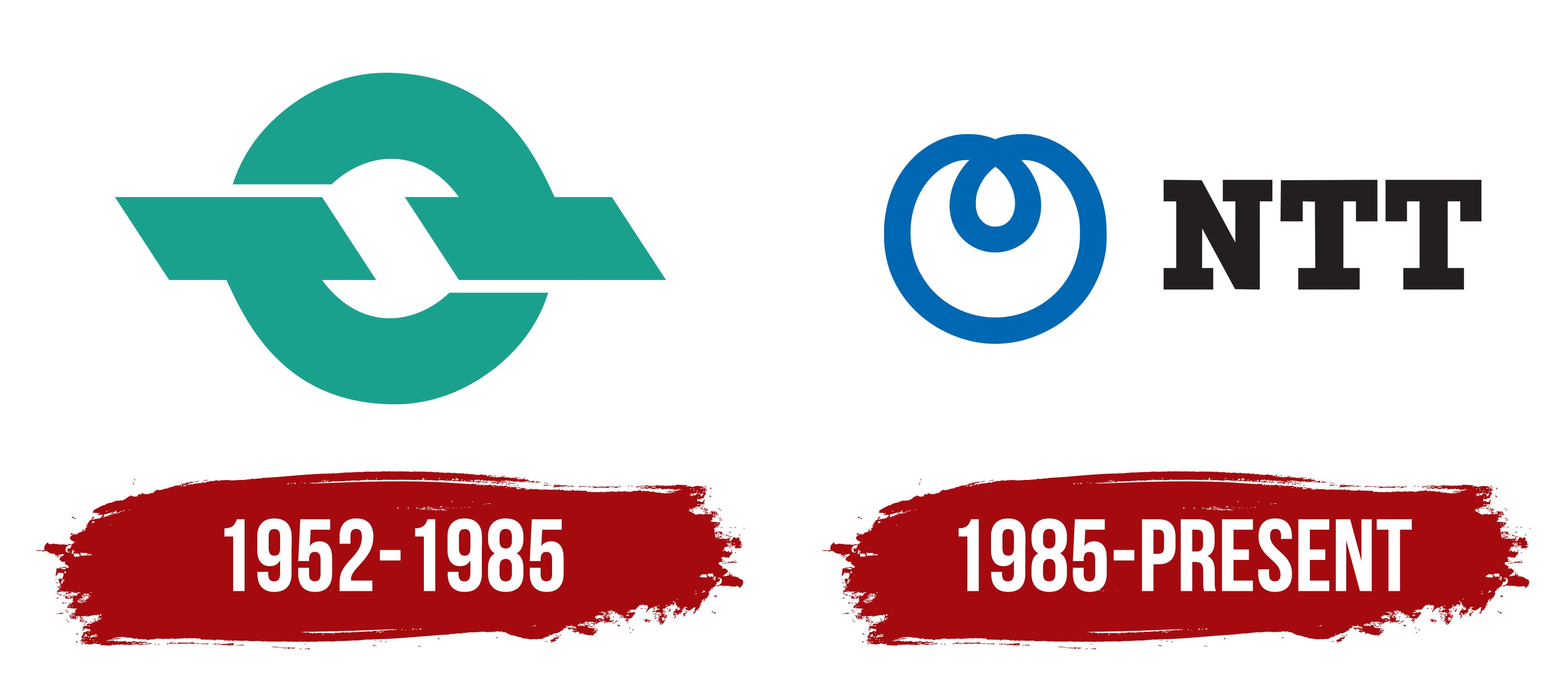
NTT Group’s Logo underwent a significant transformation in 1985, introducing a fresh brand identity. That pivotal year also marked the first time the company name appeared in the logo, boosting its recognition. Conceived by the renowned Japanese artist Yusaku Kamekura, the new logo embodied simplicity and modernity, pairing a distinct blue symbol with bold black typography.
The blue emblem features a stylized shape that evokes abstract artistry. Made of gently curved lines, the figure includes a small loop, resembling a droplet, in its upper region. This graphic element, despite its apparent simplicity, adds intrigue and fascination to the logo.
In parallel, the wordmark uses a firm, geometric serif typeface. Characterized by clean cuts and linear aesthetics, the lettering conveys stability and strength. These traits echo this logo brand’s commitment to reliability and excellence in its service offerings.
The NTT Group emblem symbolizes the organization’s commitment to evolution, innovation, and dependable service. The abstract emblem, paired with robust typography, reflects a brand that is progressive yet rooted in quality delivery, reinforcing its vision and values.
NTT Group traces its roots to 1869, when Japan’s first state telegraph service connected Tokyo and Yokohama during the Meiji era. Government ministries later developed telegraph and telephone networks. After World War II, the system was badly damaged, with only 468,000 telephone subscribers and long waiting lists for new connections.
On August 1, 1952, the government created Nippon Telegraph and Telephone Public Corporation as a state corporation known as Denden Kosha. Its task was to rebuild and modernize Japan’s telephone network. Red public telephones appeared in 1953, and subscribers rose from 1.5 million that year to 20 million by 1972. By 1977, telephone service reached every settlement in the country.
On April 1, 1985, the state monopoly was privatized as Nippon Telegraph and Telephone Corporation, or NTT. New competitors such as Daini-Denden, Nippon Telecom, and Teleway Japan soon entered the market, pushing NTT to reduce long-distance rates and improve services. In 1987, NTT listed on the Tokyo Stock Exchange in a record $36.8 billion IPO.
After privatization, NTT created major subsidiaries. NTT Data was founded in 1988, while NTT DOCOMO grew from its mobile business in the early 1990s and launched i-mode in 1999. NTT later faced KDDI and SoftBank in mobile and broadband markets. In 1999, it became a holding company with NTT East, NTT West, and NTT Communications. After losses tied to the dot-com crash, it pushed fiber networks, formed NTT Ltd. in 2019, bought back NTT DOCOMO in 2020, and changed its name to NTT Inc. on July 1, 2025.
Meaning and History
The corporation’s brand identity reflects its commitment to providing superior communication solutions. It is known for its trademark reliability and innovation, key pillars of its brand identity. This has translated into a strong market presence, with consumers associating the corporation with high-quality, dependable services.
A deeper look at its brand identity shows it values customer satisfaction above all else. It seeks to enhance connectivity and enable seamless communication for its consumers. This dedication to customer-centric solutions is woven into the corporation’s ethos and plays a vital role in shaping its brand image.
Through its blend of innovation, dependability, and customer focus, the corporation has crafted a distinctive brand identity. It stands as an emblem of superior telecommunications solutions, continually pushing the boundaries of innovation to elevate communication experiences. This dedication to quality and improvement reinforces its standing as an industry leader and continues to drive its success.
What is NTT Group?
NTT Group, known as Nippon Telegraph and Telephone Corporation, is a leading global information and communications technology (ICT) company headquartered in Ōtemachi, Chiyoda, Tokyo, Japan. The Government of Japan established it on August 1, 1952. The company offers a diverse range of telecommunications services, including telephone and data network services, mobile communications, and internet services. As one of the world’s largest telecom companies, NTT Group plays a significant role in developing and delivering innovative ICT solutions, contributing to the advancement of digital communications and infrastructure worldwide.
1952 – 1985
1985 – today