 Top Gear Logo PNG
The Top Gear logo transformed, imbuing it with a more geometric, robust feel. The iconic 3D gear now displays a dark teal shade adorned with gradient hues and sleeker outlines. Situated to the right and above the gear, the inscription radiates a light silver hue, giving an impression of being constructed from brushed metal while also appearing three-dimensional.
Situated atop the inscription, the “BBC” bears a striking similarity to the channel’s emblem. Executing a flat design style, it features white letters positioned against black squares.
The redesigned logo infuses the brand with a sense of motion, power, and modernity. The 3D gear, often associated with mechanics and machinery, symbolizes the brand’s focus on automobiles. The dark teal color enhances the industrial feel, while the silver inscription adds a sleek, sophisticated touch. The inclusion of the “BBC” logo signifies the program’s association with the reputable broadcaster.
Top Gear began on April 22, 1977, on BBC Midlands with Angela Rippon and Tom Coyne as presenters. Producer Derek Smith created it as a monthly magazine program about cars, road safety, and motorsport. In 1978, the BBC moved the show to a national weekly slot. Noel Edmonds became one of its early presenters. At the same time, Jeremy Clarkson joined during the 1986 to 1988 restructuring after editor John Bentley noticed his writing in Performance Car Magazine.
Clarkson’s sharper style changed the tone of the program, and by the late 1980s Top Gear was drawing about five million viewers on BBC Two. After Clarkson left in 1999, ratings fell, and the BBC closed the original version in December 2001. Many former staff and presenters moved to Channel 5 and created Fifth Gear.
The second era began on October 20, 2002, when Clarkson and producer Andy Wilman relaunched Top Gear as a 60-minute studio show with a live audience. Filming moved to Dunsfold Aerodrome in Surrey, where Lotus helped design the test track. The Stig became the show’s silent test driver, and the main trio formed in 2003 when James May joined Clarkson and Richard Hammond.
The new format featured races, challenges, studio debates, and large-car experiments, including the Toyota Hilux destruction test and the 2007 North Magnetic Pole special. Hammond’s 2006 crash in the Vampire jet car later brought about eight million viewers to the 2007 season opener. In 2013, Guinness World Records named Top Gear the most watched factual TV program. Clarkson left after a 2015 conflict, followed by Hammond and May, who launched The Grand Tour on Amazon Prime in 2016. BBC later continued with new hosts, but production was paused after Andrew Flintoff’s 2023 crash.
Meaning and History
The brand identity of this show is rooted in its distinctively irreverent and adventurous spirit. This spirit is reflected in the logo, with its bold typography and the classic ‘tachometer’ design element that visually conveys the show’s automotive focus. The logo, simple yet striking, captures the show’s fast-paced, fun, and adrenaline-fueled ethos.
The program’s tagline, “Ambitious but Rubbish,” encapsulates its daring and humorous attitude, a self-deprecating nod to the often outrageous challenges the presenters undertake. This humor and approachability contribute significantly to the show’s brand identity, setting it apart from traditional motoring shows.
Top Gear’s unique approach to showcasing the world of automobiles, its adventurous spirit, and its witty humor have made it more than just a television program. Its brand identity effectively communicates its core values, ensuring it resonates with its audience, making it a flagship show in the motoring entertainment genre.
What is Top Gear?
Top Gear is a renowned British television series about motor vehicles, primarily cars, produced by the BBC. The show was originally launched in 1977 and ran until 2001 in its initial format. It was then relaunched with a new format on October 20, 2002. Top Gear is famous for its unique approach to car reviews, combining detailed technical analysis with entertaining stunts and challenges. The program, known for its distinctive style and humor, has been presented by a variety of hosts over its lifespan, the most famous trio being Jeremy Clarkson, Richard Hammond, and James May. Despite being UK-based, Top Gear has a large international following.
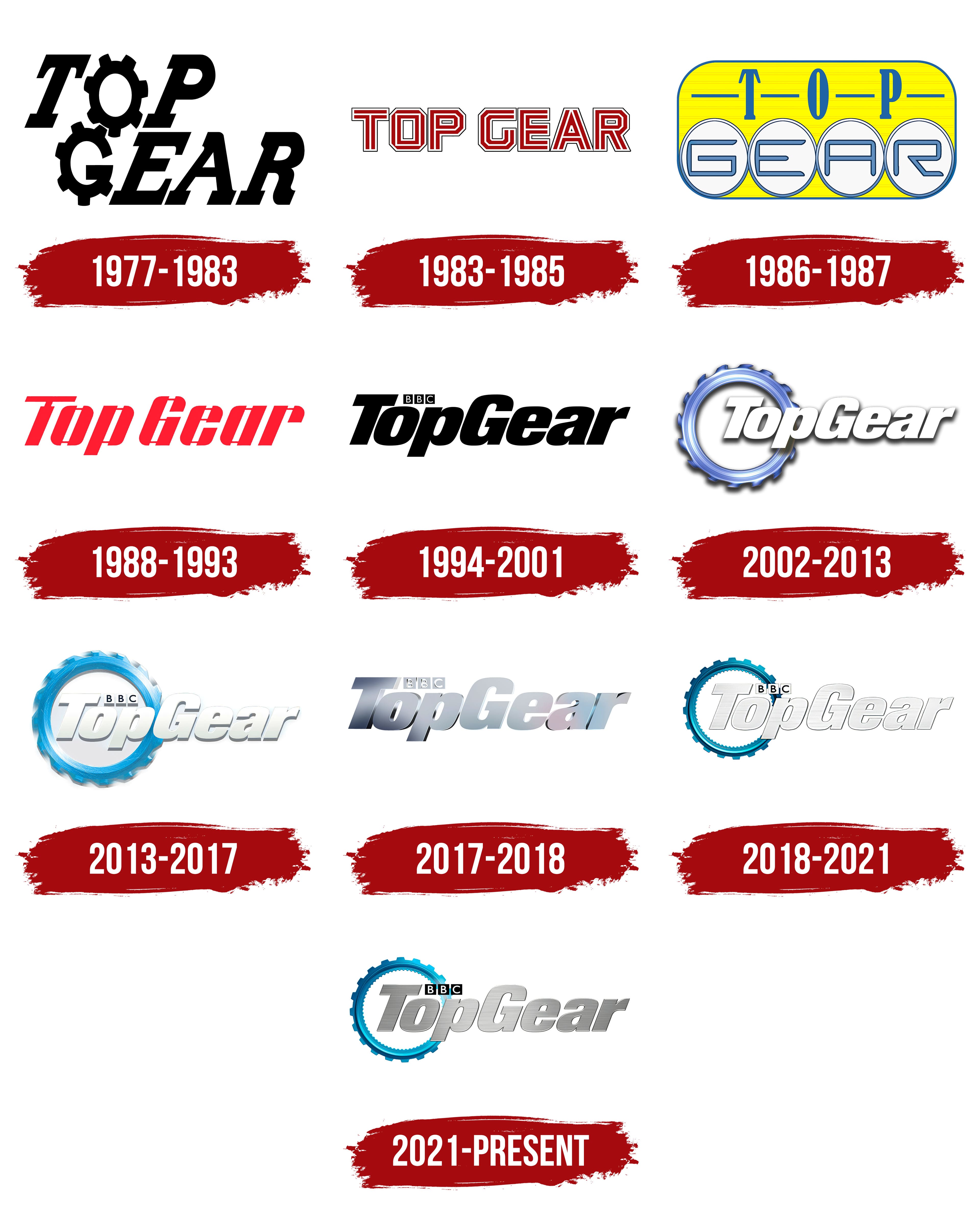
1977 – 1983

1983 – 1985

1986 – 1987
1988 – 1993

1994 – 2001

2002 – 2013

2013 – 2017
2017 – 2018

2018 – 2021

2021 – today