


 Garden of Life Logo PNG
The Garden of Life logo conveys an impression of abundance and care for nature, reflecting a rich harvest grown with love and attention. Every element of the emblem emphasizes the brand’s commitment to naturalness and the high quality of its products. The emblem symbolizes fertile soil, where a caring gardener nurtures life-enhancing fruits. The logo is associated with the natural cycle, health, and sustainability, creating an image of a place where nature and humans work together to achieve the best results.
Garden of Life was founded in Palm Beach Gardens, Florida, in 2000 by Jordan Rubin. His experience with Crohn’s disease and his use of fermented foods and probiotics shaped the company’s early direction. Its first product, Primal Defense, was a probiotic complex aimed at digestive support. By 2004, the range had expanded into vitamins, minerals and whole-food supplements.
In 2005, the Federal Trade Commission accused the company of misleading advertising. Garden of Life paid a penalty and revised parts of its marketing, while increasing research and disclosure around product claims. The RAW line followed in 2009, using unpasteurized and minimally processed ingredients. In 2013, the company received B Corporation certification.
The brand entered sports nutrition in 2014 with protein powders, recovery products, and pre-workout formulas based on organic and non-GMO ingredients. Nestlé acquired Garden of Life for $2.3 billion in 2017, prompting concern among some customers about its original mission. Plant-based sports products expanded in 2018, including organic proteins with glutamine and BCAAs. The Dr. Formulated line arrived in 2019 through work with David Perlmutter.
MyKind Organics Herbals launched in 2020 with water-extracted herbal supplements. In 2021, the company updated its website, added personalized product tools, and introduced a loyalty program. A traceability program followed in 2022, allowing customers to identify farms and sources for selected ingredients.
Meaning and History
What is Garden of Life?
It specializes in nutritional supplements, vitamins, and protein powders. The brand is known for using organic, non-GMO ingredients and emphasizing clean, traceable sourcing practices. The company offers many products, including probiotics, multivitamins, protein powders, omega-3 supplements, and meal replacement shakes. The product line caters to various dietary needs and preferences, including vegan, gluten-free, and kosher options. The company focuses on creating supplements as close to their natural form as possible, often using raw, unprocessed ingredients. With an emphasis on sustainability and ethical sourcing, the brand has gained popularity among health-conscious consumers seeking quality, natural supplements.
2000 – today
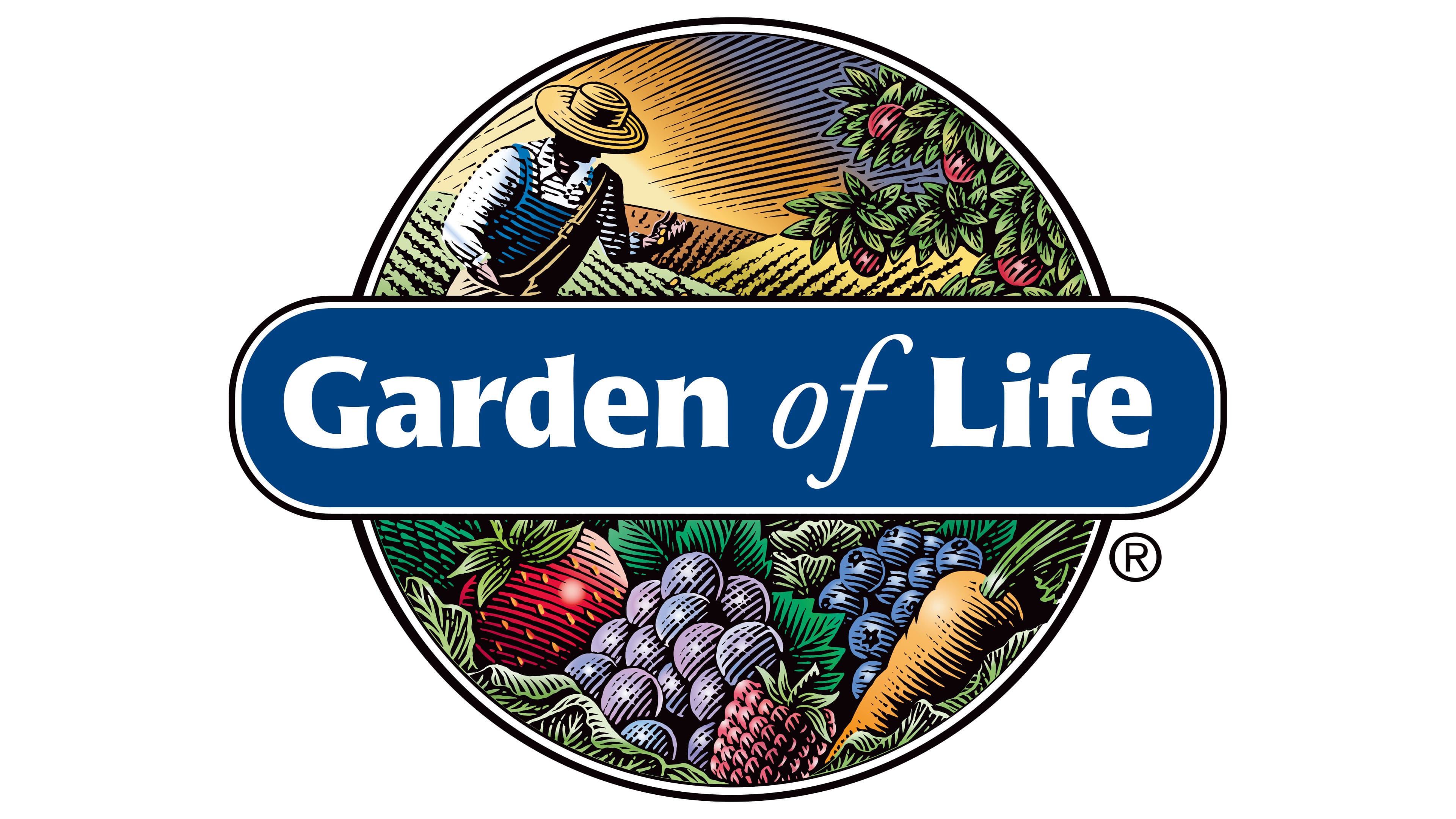
The Garden of Life logo features a circle, symbolizing dietary supplement tablets and capsules. This shape emphasizes the theme of health and nutritional care. The circle’s interior represents the nutritional value of the vitamins and minerals consumers receive from the company’s products.
Particular attention is given to the natural and organic raw materials used in production. Each product is certified organic and free from chemicals and GMOs. This is highlighted by the image of a sower manually planting fields. Behind him are neat rows of vegetable and grain crops, symbolizing healthy, environmentally friendly ingredients.
In the foreground, large ripe fruits, berries, and vegetables illustrate the various components used in Garden of Life products. These images emphasize the natural abundance that the company provides to its customers.
At the top of the circle is an oval background resembling a capsule, symbolizing the essence of the company’s products, a concentrated set of vitamins and minerals derived from natural sources. Inside the oval is the brand name, reflecting the company’s health and natural nutrition philosophy.