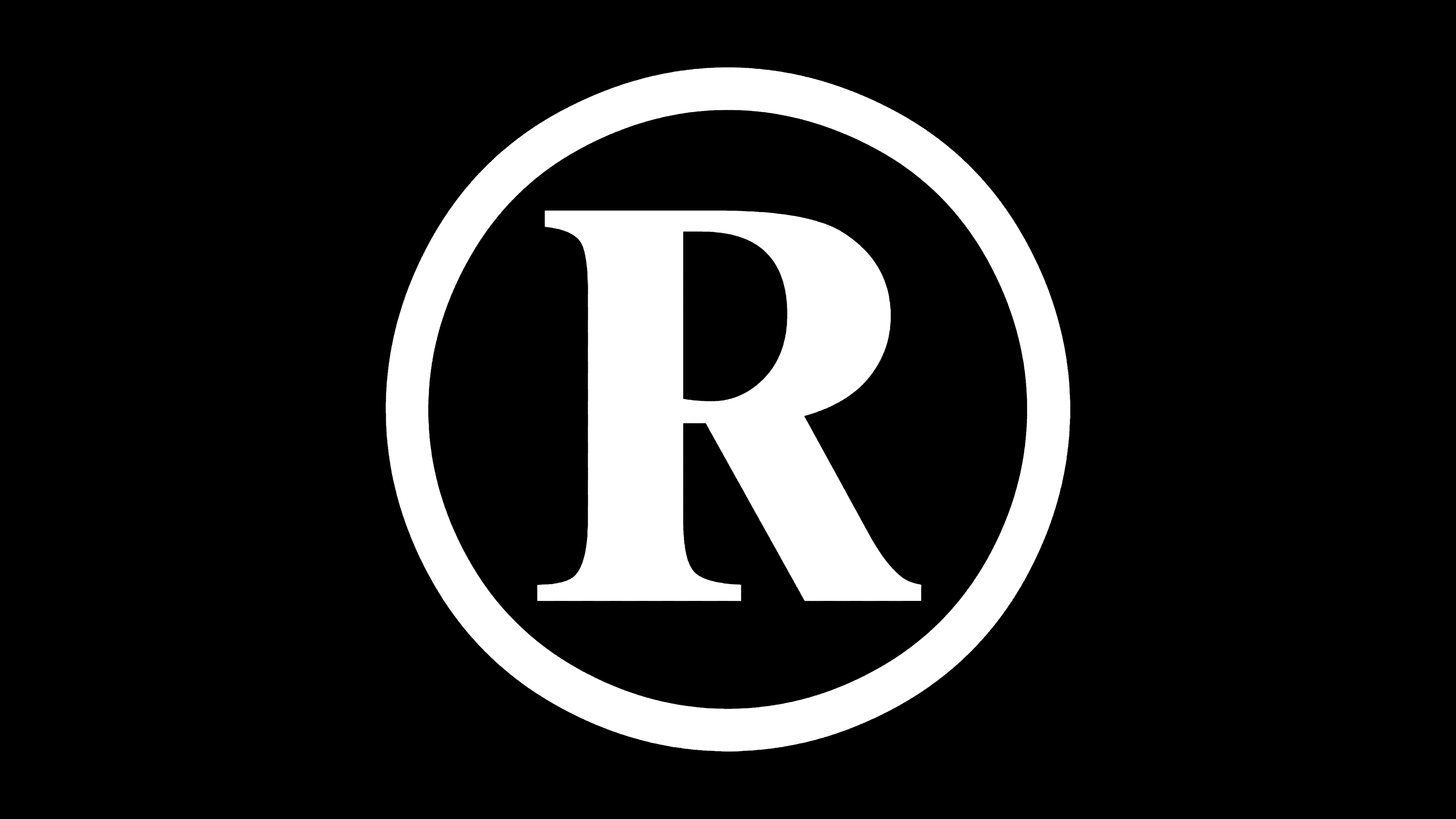
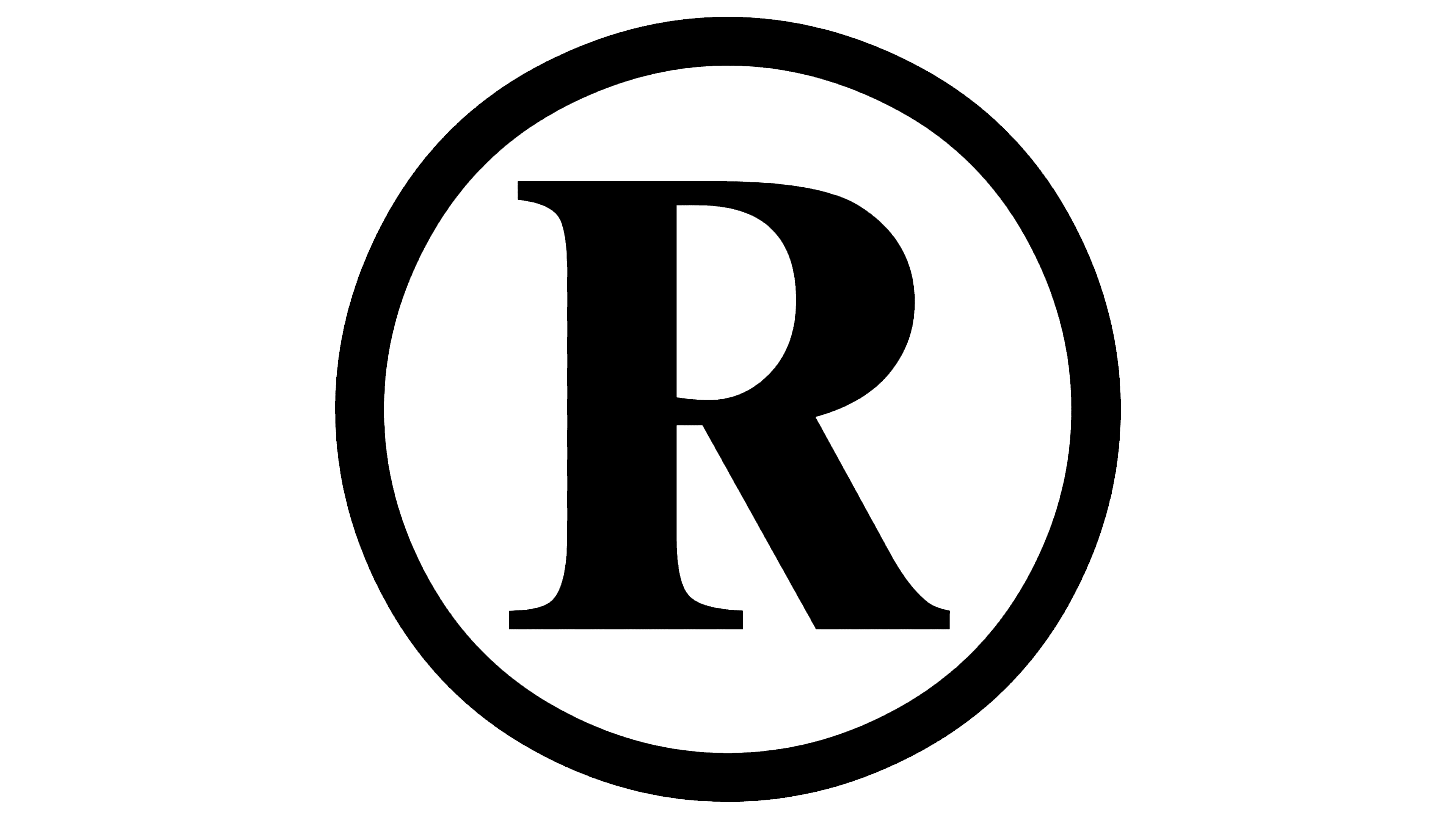
 Registered Logo PNG
Although the Registered logo is used only for trademark rights protection, many people associate it with quality and reliability. Consumers think that products of brands with such a mark must necessarily meet accepted standards. In reality, this symbol is important not for consumers but for manufacturers themselves.
The registered trademark symbol, a small R inside a circle, dates back to a legal tradition that predates modern branding. In England, the 1266 Assize of Bread required bakers to mark loaves so poor-quality bread could be traced to its maker. In 1363, similar marking rules were extended to silversmiths. These marks protected buyers and guild standards, while the modern idea of a trademark developed later.
The Industrial Revolution made formal registration necessary. Mass production created thousands of goods moving across regions and borders, so companies needed legal protection for names and signs. France created one of the first formal systems in 1857. The United States passed a federal trademark law in 1870, but the Supreme Court struck it down, leading to a new law in 1881. Britain followed with the Trade Marks Registration Act of 1875.
On January 1, 1876, Bass Brewery’s red triangle became the first mark entered in the British register. The symbol later appeared in Édouard Manet’s 1882 painting A Bar at the Folies-Bergère, giving it a rare place in both legal and art history. In 1883, the Paris Convention created the first major international framework for trademark protection, requiring member countries to treat foreign owners equally.
The British Trade Marks Act of 1938 added examination, publication for opposition, and registration based on intended future use. In the United States, the Lanham Act was passed on July 5, 1946, and took effect on July 5, 1947. It fixed ® as the sign of a federally registered trademark, unlike ™, which can be used without registration. Disputes involving Singer Sewing Machines and Coca-Cola highlighted the need for stronger national and international systems.
Meaning and History
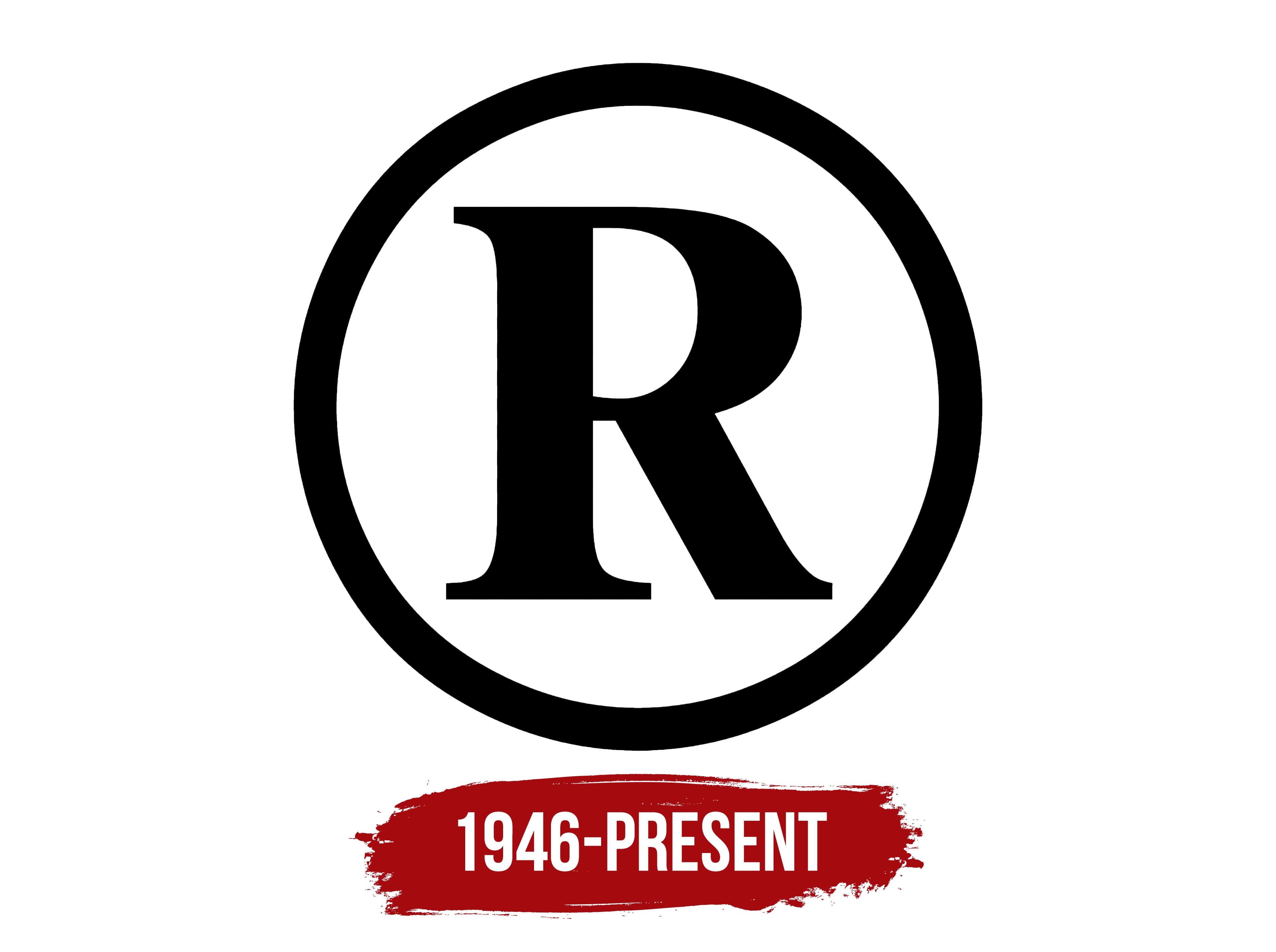
The letter “R” in a circle became the symbol of a registered trademark only in 1946, after the Lanham Act was adopted in the USA. This set of rules establishes the norms for the use of trademarks in the USA. Before standardization, each company used its own designations, including verbal marks like “Registered” or “Reg. U.S. Pat. Off.” (Registered U.S. Patent Office), which led to confusion. They needed to be unified and ordered to avoid problems with intellectual property protection.
What is Registered?
The registered trademark symbol, depicted as the letter “R” in a circle, is a means of legal protection. It indicates that a particular object (word, phrase, image, design) has been officially registered and now belongs to one owner, so it cannot be used without their permission. This symbol was first introduced in 1946.
1946 – today
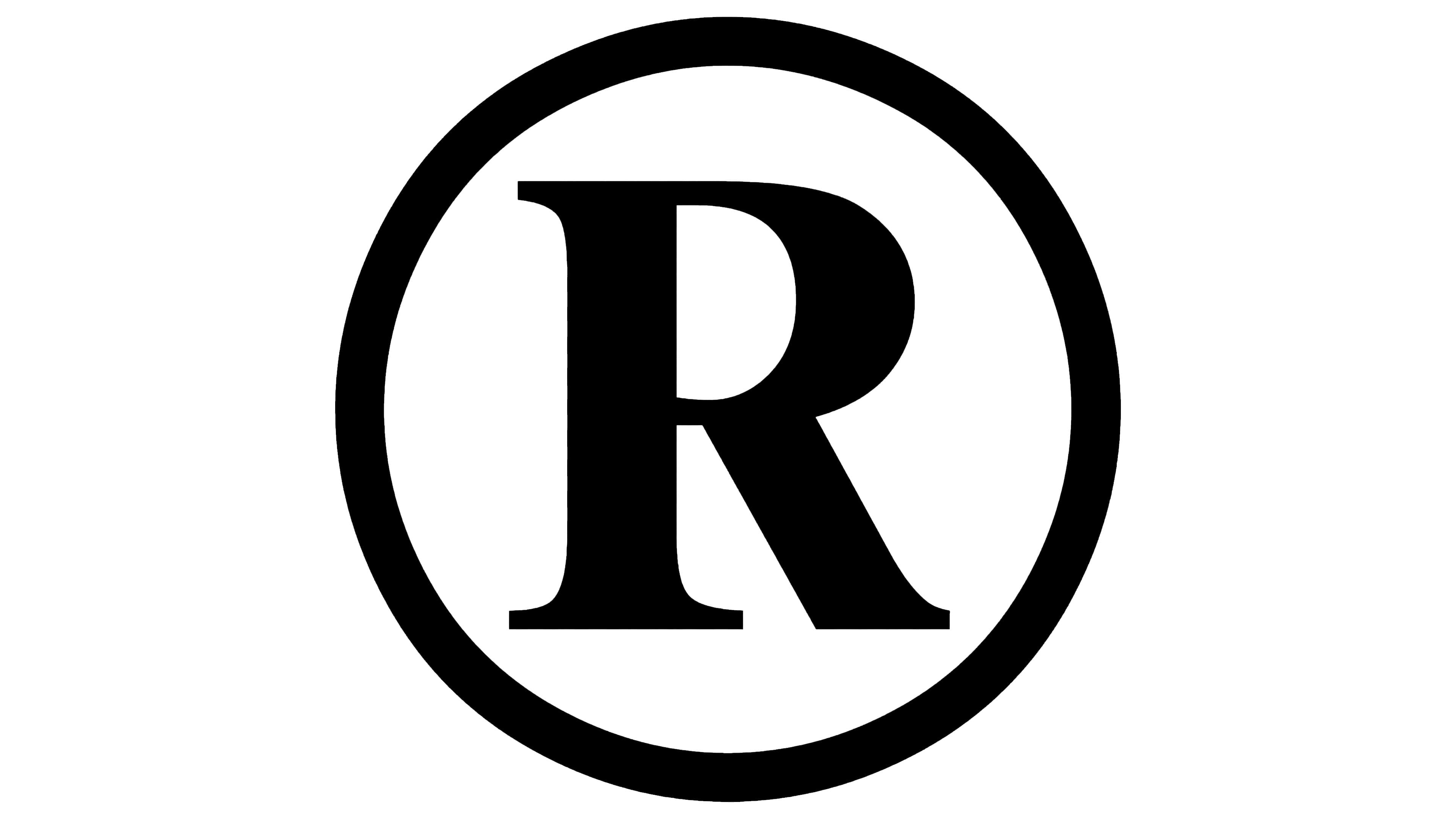
The ® symbol appeared in 1946 following the introduction of the Lanham Act. It warns that the trademark has been officially registered and is now under legal protection. The letter “R” in a circle is usually placed at the end, often in the upper-right corner, but this placement is not mandatory. The standardized ® symbol is widely used not only in America but also around the world. In Unicode, it is represented as U+00AE. It is also permissible to use lowercase or uppercase “R” in parentheses. The letter “R” was chosen because it starts the word “Registered,” and the circle highlights and frames it.
Font and Colors
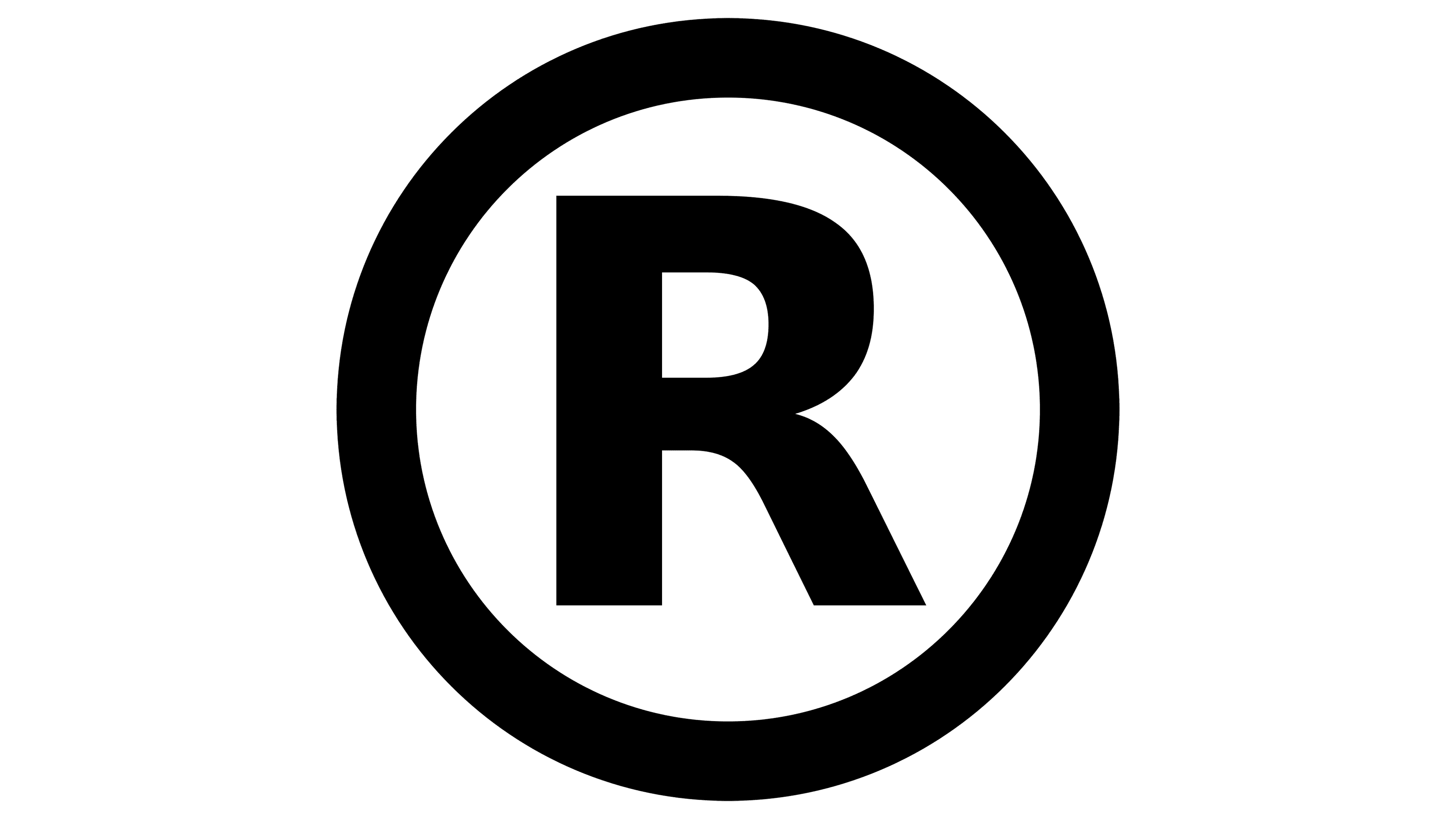
The font of the ® symbol can vary depending on a specific company’s preferences. However, most cases use a standard variant, such as Arial, Helvetica, or Times New Roman. The main requirement is that the “R” be clear and easily readable within the circle.
Colors are chosen considering ease of perception, as the sign can be displayed on any background. The standard combination of black and white is usually preferred, but altering the palette, or even making the image multicolored, is allowed.