


 Erste Bank Logo PNG
Erste Bank traces its history to October 4, 1819, when Erste österreichische Spar-Casse opened in Vienna’s Leopoldstadt district, in the parish house of St. Leopold’s Church. The savings bank was created for poorer residents who lacked access to deposit or loan services. Priest Johann Baptist Weber was among its initiators; wealthy citizens provided the first capital, and volunteers handled early operations. On opening day, the first 100 passbooks carried deposits of 10 guilders each.
In 1822, the bank issued its first mortgage loans. Its model spread across the Habsburg Empire, inspiring savings banks in Graz, Innsbruck, Prague, Trieste, and other cities. Erste survived the 1873 stock market crash without critical damage, as its business relied on retail deposits rather than speculative trading.
In March 1997, Erste acquired GiroCredit, Austria’s third-largest banking group, doubling assets to 54 billion euros. In November 1997, it was listed on the Vienna Stock Exchange in an IPO worth more than 7 billion schillings, about 508 million euros. On December 22, 1997, its shares were added to the ATX index. The IPO financed its “Go East!” expansion into Central and Eastern Europe.
Erste bought Hungary’s Mezőbank in 1997, Czech retail leader Česká spořitelna in 2000, Slovak bank Slovenská sporiteľňa in 2001, and Hungary’s Postabank in 2003. It competed regionally with Raiffeisen Bank International while focusing on retail clients and local brands. In 2005-2006, Erste acquired 61.88% of Romania’s Banca Comerciala Romana for about 1.9 billion euros. Erste Group Bank AG was formed in 2008. After the 2008-2009 crisis, the bank built reserves for problem loans. In 2015, it launched George, and by 2023, it served about 16.8 million clients in seven countries.
Meaning and History
What is Erste Bank?
This is a large Austrian financial group based in Vienna and one of the leading banking organizations in Central and Eastern Europe. The bank offers various services, including asset management, corporate finance, investment, and retail banking. The bank operates in countries such as the Czech Republic, Slovakia, Romania, Hungary, and Croatia, contributing to the economic development of the entire region. It actively implements digital solutions that combine traditional banking methods with advanced technologies, making it attractive to a range of customer segments. The bank supports social and cultural projects, positively impacting local communities.
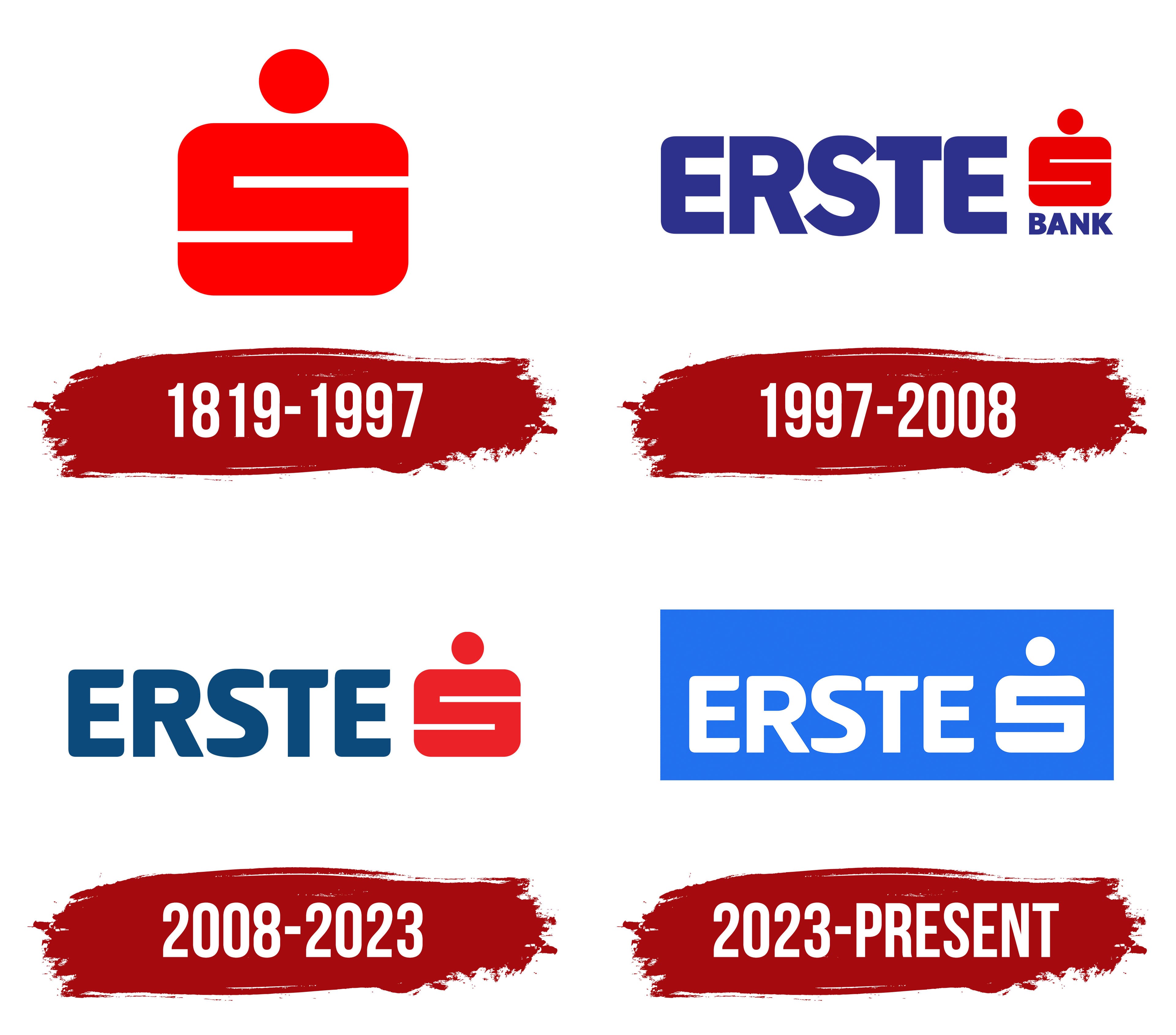
1819 – 1997

1997 – 2008

2008 – 2023

2024 – today
