Microsoft has updated the visual system of its products, marking a new stage in the development of the Microsoft 365 ecosystem. The changes may appear minor, but they represent a transformation that includes integrating artificial intelligence into users’ daily work and improving convenience in interacting with applications.

The previous icon update took place in 2018. At that time, the company aimed for a unified appearance across all devices. Today, the focus has shifted to intuitive, effortless interaction with Copilot, the intelligent assistant built into all Microsoft 365 products. Users no longer need to understand the distinctions between tools. The system analyzes context and speeds up task completion.

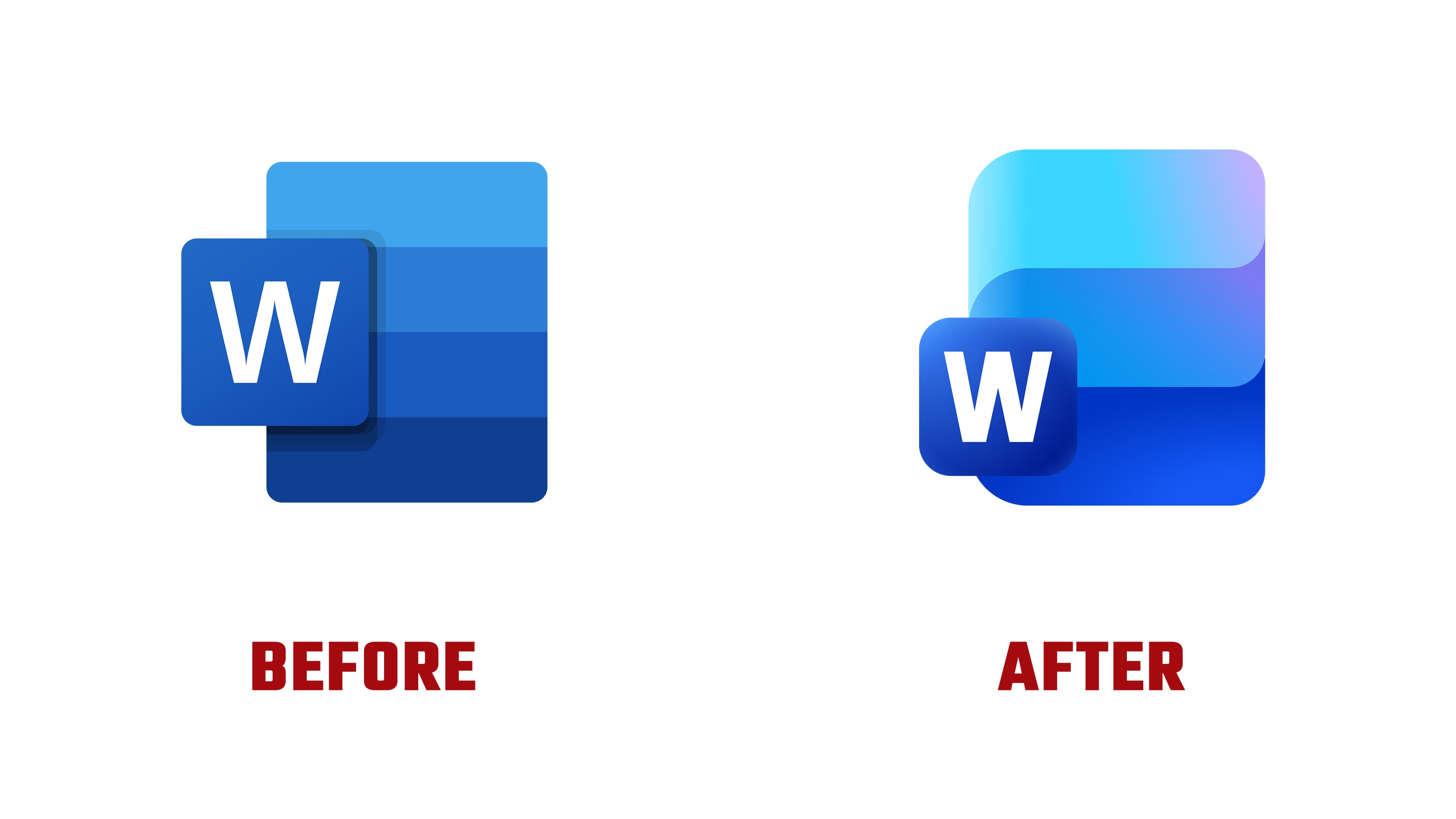
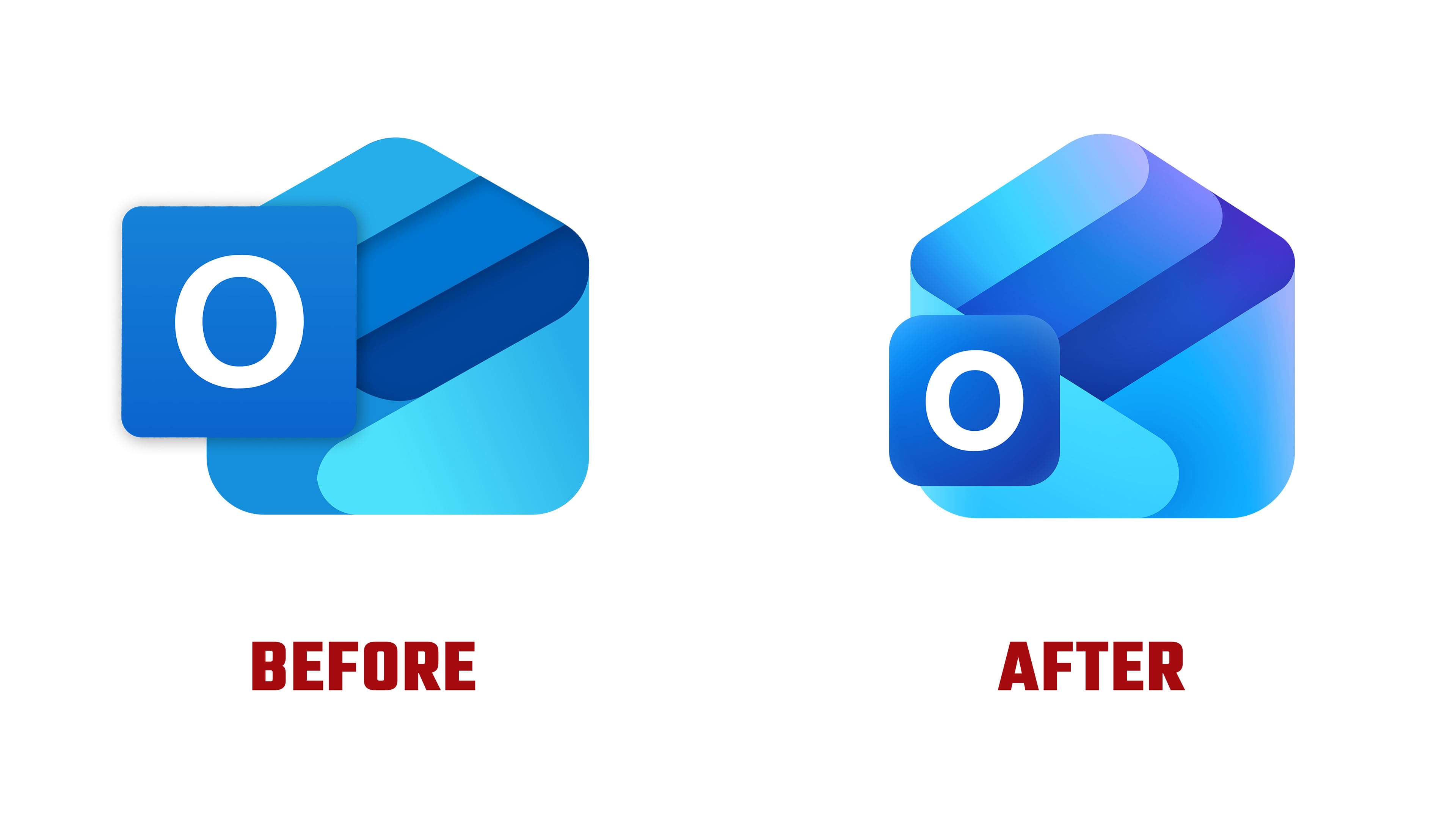
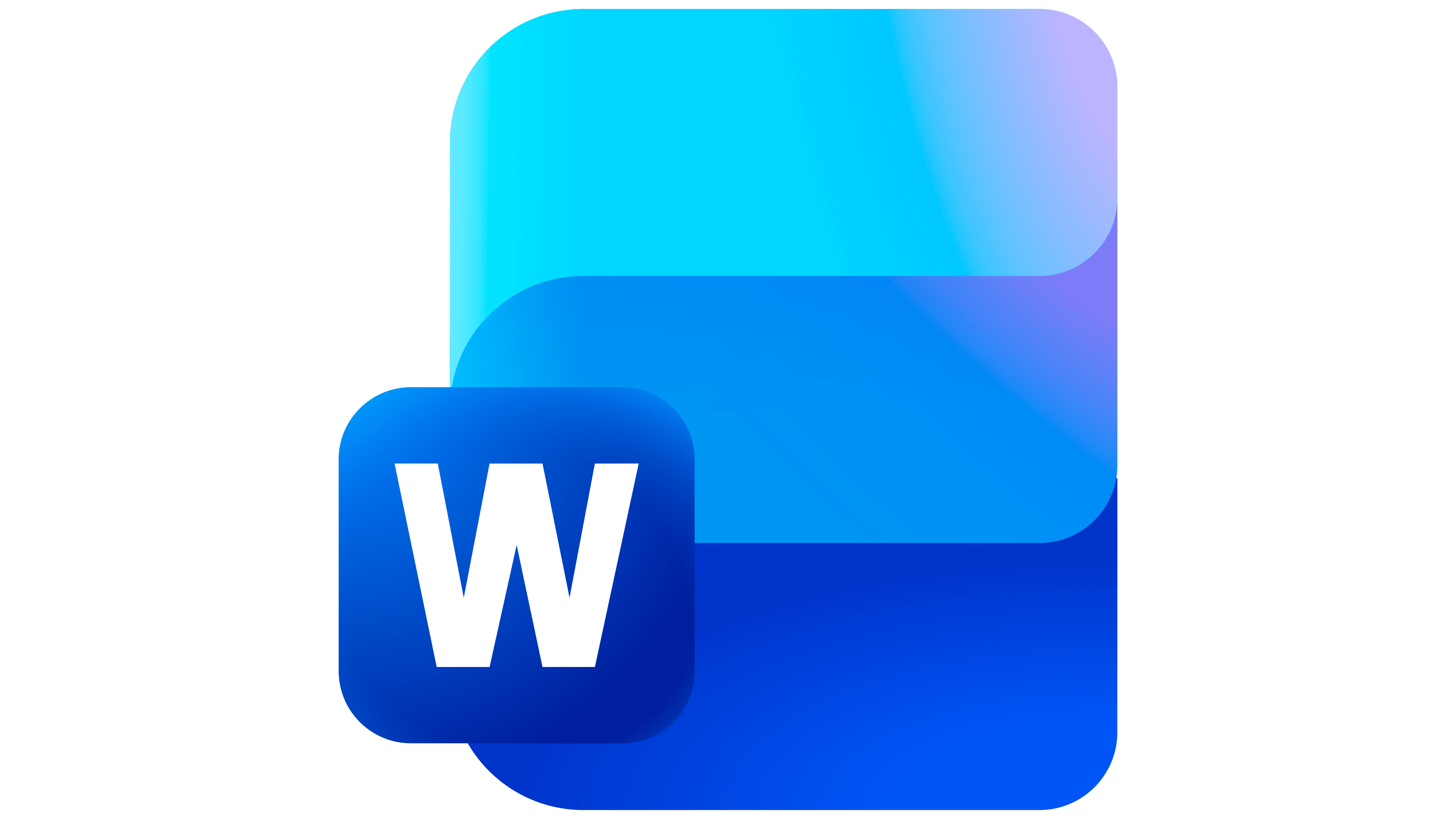
The new icons reflect this shift in focus. The symbols for Word, Excel, PowerPoint, Outlook, and other applications have become softer and more fluid. Sharp corners have disappeared, lines have become rounded, and colors are brighter and more saturated. Gradients have gained depth, and contrasts are more expressive. The updated Word icon, for example, now consists of three bars instead of four and appears lighter even at a small scale.
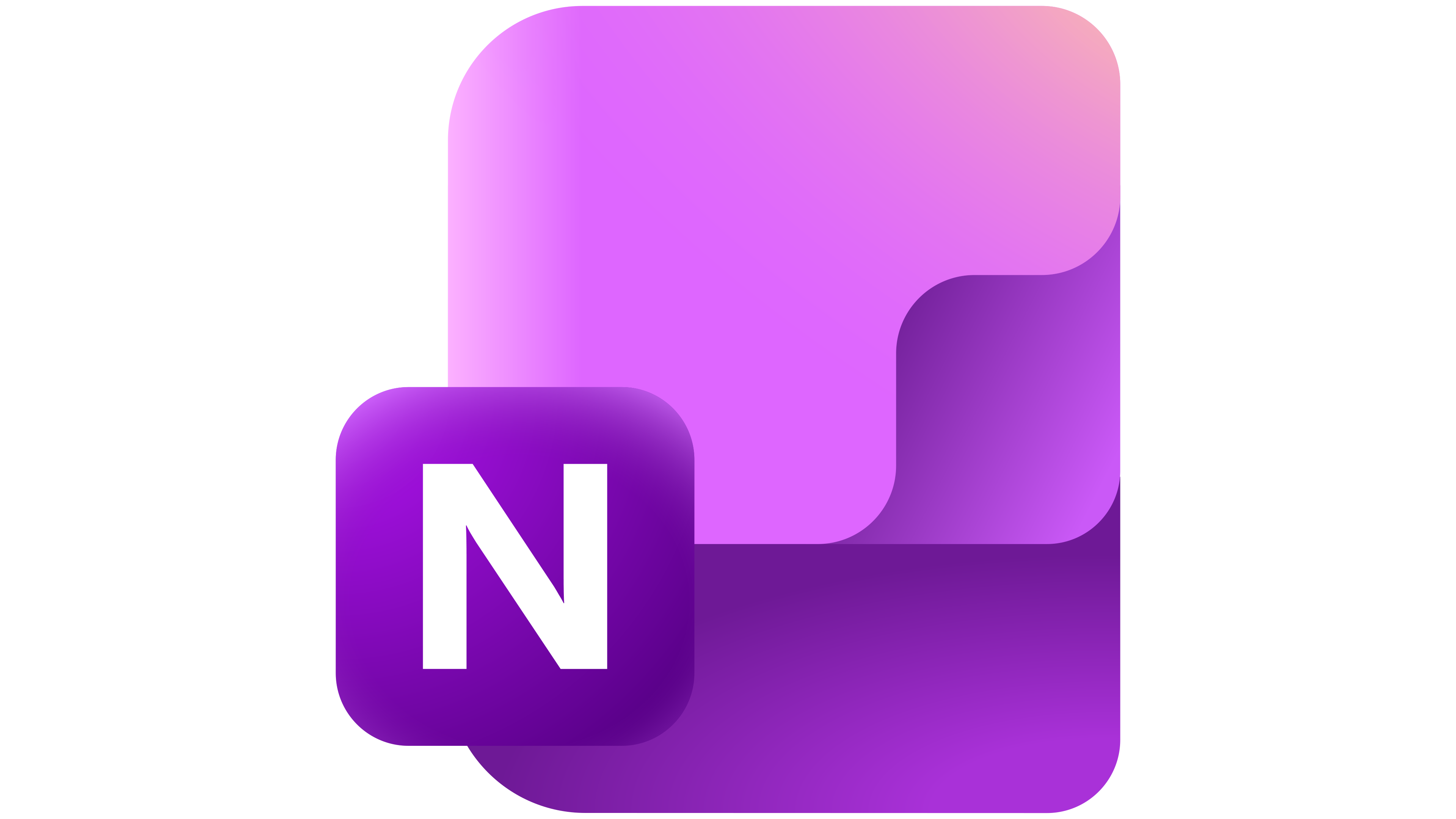
Letter-based identifiers for key applications have been retained. In the new versions, the letters are integrated naturally into the overall style, maintaining continuity and creating visual unity. The system appears cohesive, and navigation between applications has become simpler and more logical.
The color structure of the icons has become livelier and more diverse. It reflects the interaction between people and technology, as well as the creative approach embedded in Microsoft products. The Copilot image serves as the basis for the overall design language, uniting the ecosystem’s elements. The Copilot symbol conveys the idea of partnership between humans and artificial intelligence through the interplay of form and color.

Microsoft emphasizes that the update is evolutionary. The company did not aim for abrupt changes, choosing instead gradual development and continuous refinement of its visual language. The new icons reflect the brand’s maturity and its direction toward simplicity, technological advancement, and closer interaction between people and intelligent systems.