 PagSeguro Logo PNG
PagSeguro grew out of Universo Online, or UOL, founded in São Paulo in 1996 by media entrepreneur Luiz Frias. By the mid-2000s, Brazilian e-commerce was growing, but small online sellers still lacked accessible payment tools. Bank payment systems mainly served large merchants, while smaller businesses faced complex acquiring procedures.
On 5 September 2006, UOL launched PagSeguro, a name meaning “safe payment.” UOL’s strong internet presence helped the service gain trust among Brazilian users. In January 2007, UOL bought BrPay, a small electronic-payments company, and integrated its assets into PagSeguro within six months. In November 2008, PagSeguro received the Info Exame award in e-commerce, and by 2010, it had more than 12 million registered users.
In 2012, PagSeguro became the first in Brazil to process payments through NFC technology in partnership with Nokia. That year, it also integrated Horus, an anti-fraud system for electronic payments. In 2013, the company moved from online checkout into physical retail, launching a portable card reader and POS devices for individual entrepreneurs, microbusinesses, and small merchants. Its Moderninha terminals put it in direct competition with Cielo, Brazil’s leading acquirer.
Moderninha was updated in 2014, followed by Moderninha Pro and the low-cost Minizinha in 2016. Under Ricardo Dutra da Silva, formerly of Bain & Company, PagSeguro moved toward a wider financial ecosystem. On 24 January 2018, PagSeguro Digital listed on the New York Stock Exchange under the ticker PAGS, raising $2.3 billion with Goldman Sachs and Morgan Stanley as lead underwriters. In 2019, it launched PagBank, and in 2021, the consumer brand changed from PagSeguro to PagBank.
Meaning and History
What is PagSeguro?
This Brazilian fintech startup offers a digital system for small and medium-sized businesses and micro-entrepreneurs. The company provides financial services, including digital banking, POS terminals, and online and offline payment processing. The platform accepts various payment methods, including credit cards and mobile wallets, and offers tools for financial management and business development.
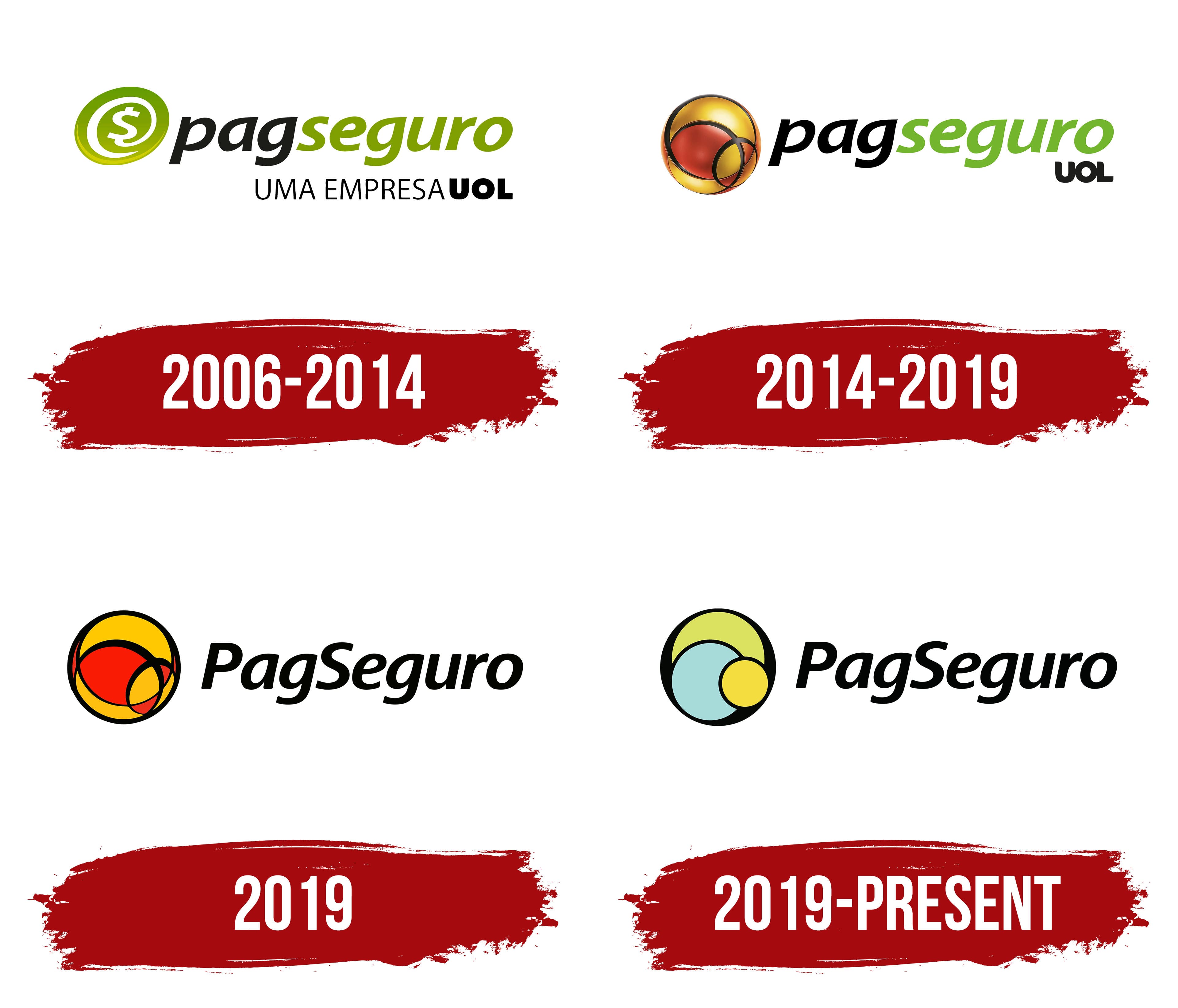
2006 – 2014
2014 – 2019
2019
2019 – today