


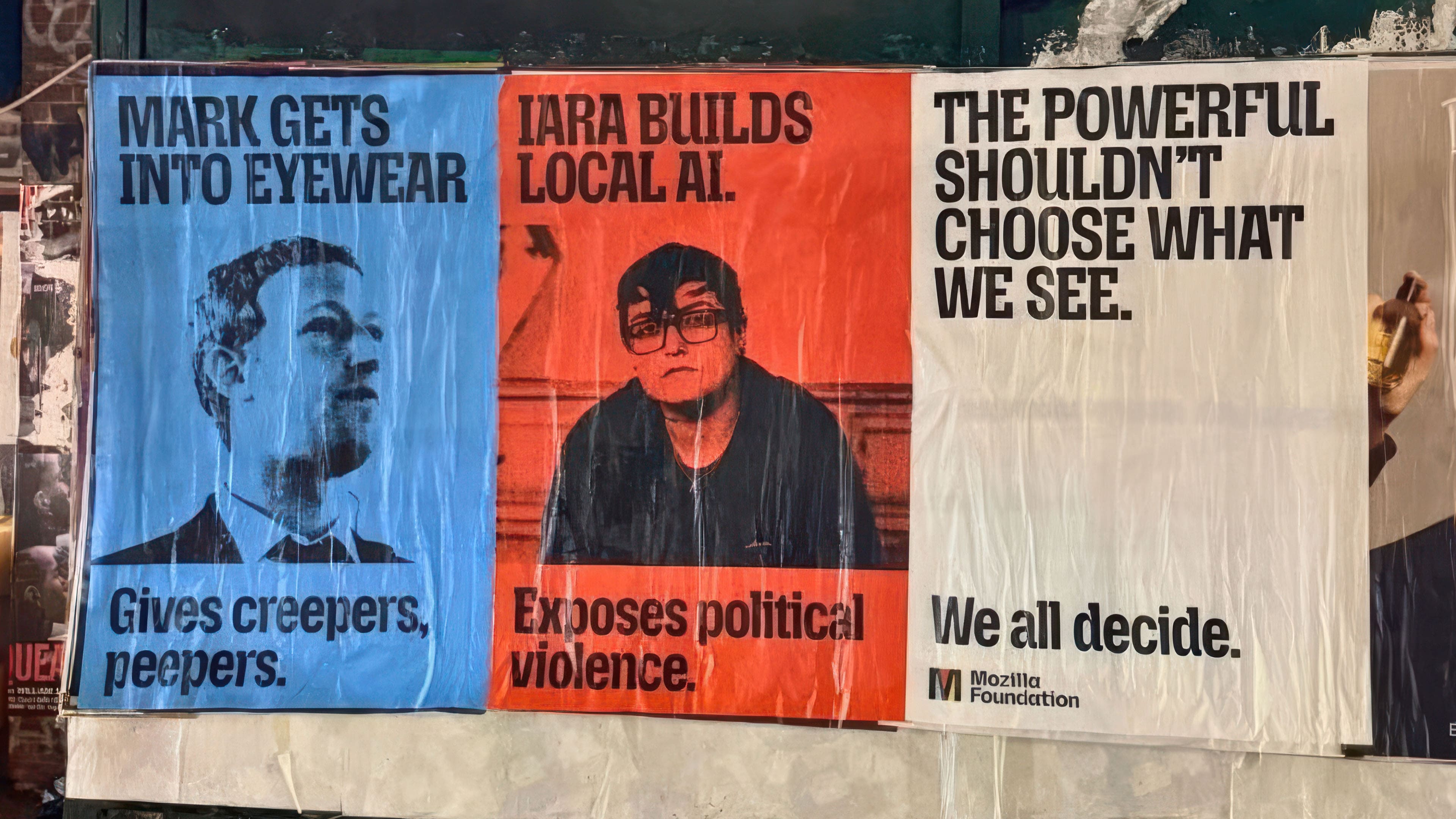
Elon Musk, Jeff Bezos, and Mark Zuckerberg are the targets of a satirical advertising campaign from the Mozilla Foundation. In September 2026, the foundation put up posters across New York City comparing the billionaires’ ventures with projects developed by Mozilla Fellows. The campaign asks who gets to shape the future of technology while introducing tools to verify election results, govern online communities, and investigate police violence.
Founded in 2003, the Mozilla Foundation advocates for an open, accessible internet that serves as a public resource. The campaign builds on its support for independent developers and public participation in shaping technology. Emma Bates, the foundation’s fractional chief marketing officer and consultant, helped develop the campaign. According to Mozilla Foundation Vice President Ziyad Bhorat, the team wanted to broaden perceptions of technical talent and highlight achievements beyond a small circle of billionaires.
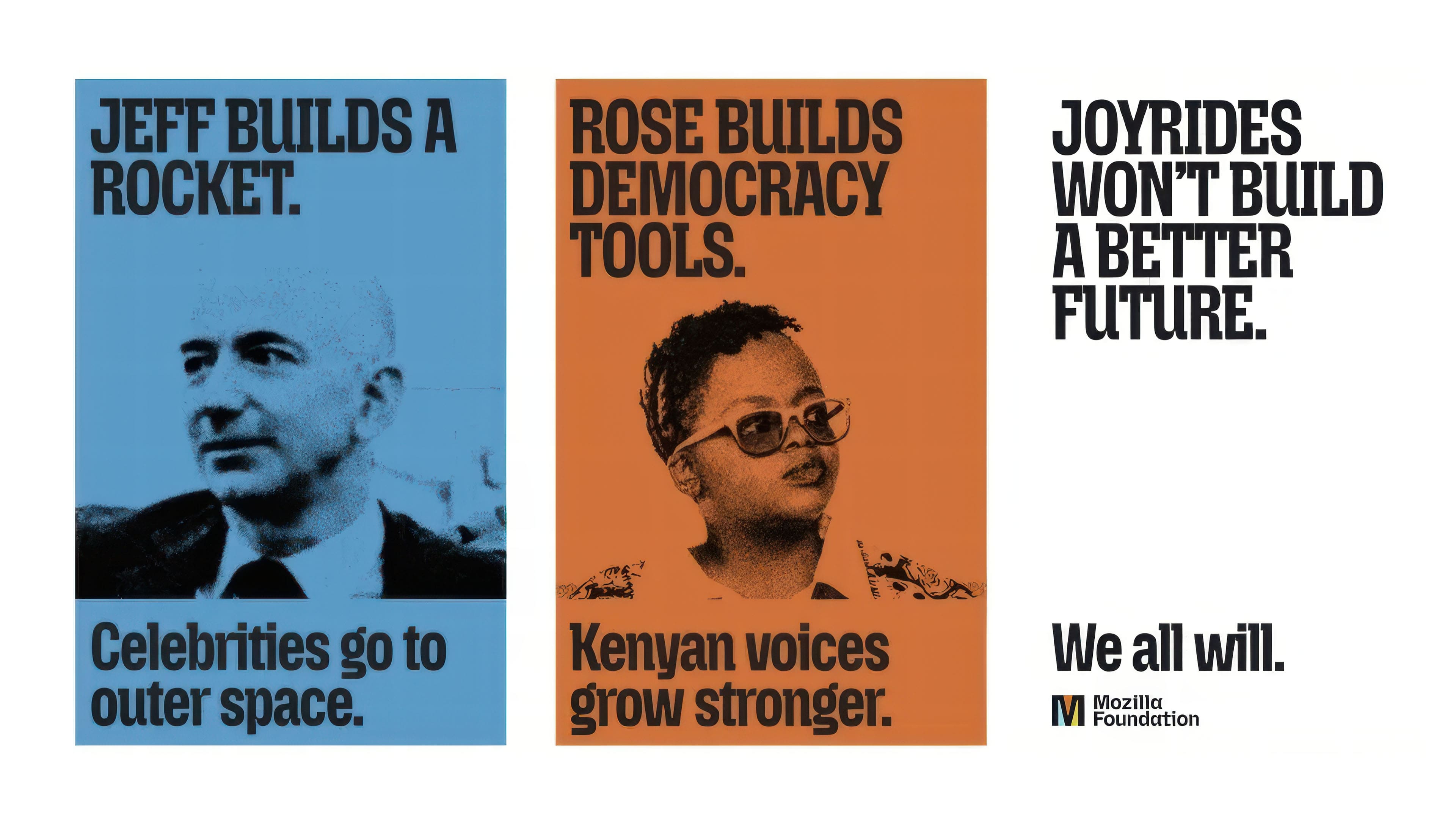
The posters contrast the ambitions of famous entrepreneurs with everyday public needs. Bezos’s spaceflights are framed as expensive entertainment for celebrities playing astronaut. The Musk poster addresses Twitter’s fate and the power its owner holds over a platform for public conversation. The Zuckerberg ad focuses on Meta’s camera-equipped glasses and concerns about covert recording. The satire leads into an introduction to Mozilla Fellows and their work.
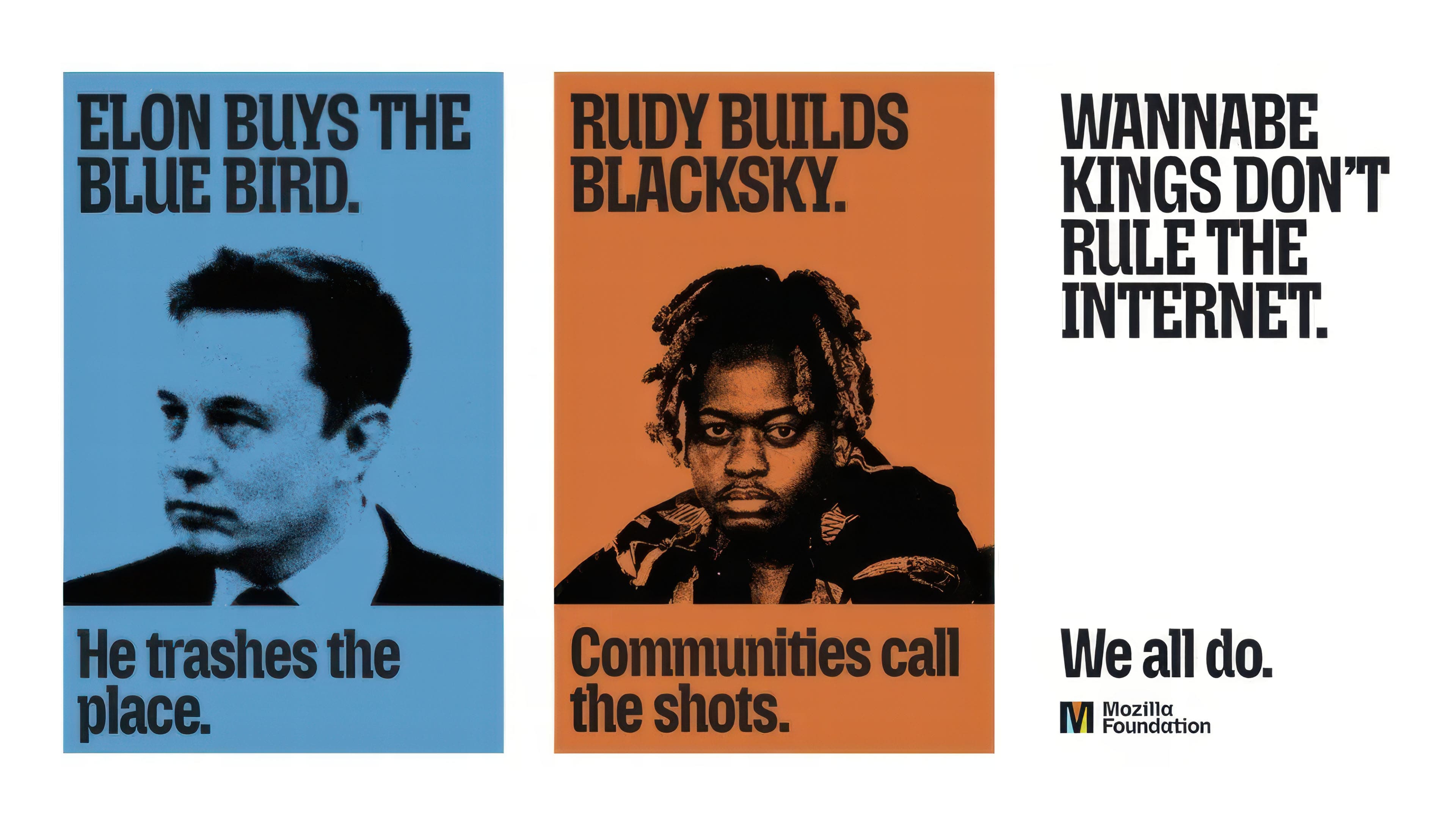
The glasses ad uses English wordplay to connect wearable cameras with voyeurism and intrusive behavior. It draws on instances of people being filmed against their wishes and retail employees being harassed. In response to questions from Business Insider, a Meta spokesperson said the cameras stop working if the recording indicator light is removed. Instagram head Adam Mosseri had previously pledged to remove posts involving covert recording and harassment.
Mozilla illustrates technology’s potential public benefits through three fellows’ projects. Nairobi-based developer Rose Njeri Thunguru is preparing Open Elections Kenya for the country’s 2027 elections. The service will allow citizens to check official election results against polling-station data. Records will be stored on the blockchain and remain available for independent audits. Releasing the code, datasets, and technical documentation is intended to help developers adapt the tool for other countries.
Blacksky founder Rudy Fraser is developing posts with access controls for the AT Protocol. His project centers on online communities’ right to set their own participation rules and decide who can read their content. Fraser is preparing an open specification explaining how the system works, along with documentation and a reference implementation for other developers.
Iara Passos, based in São Paulo, is working with Instituto Fogo Cruzado to build a system for collecting information about police violence in Brazil. AI running on local infrastructure turns scattered reports from security services into structured data. Journalists and activists receive small grants to verify the results and correct errors. Their involvement helps the system account for regional terminology when processing reports.
The campaign was timed to coincide with Climate Week NYC. Paper posters went up on walls and fences, adopting a format familiar from grassroots public campaigns. Placements included the area around United Nations headquarters during the General Assembly, as well as Hudson Yards, NoHo, and Dumbo. The team focused on neighborhoods where technology companies and their employees are present.
Paid posts from content creators who visited the poster locations supported the street campaign. The team hoped the provocative wording would encourage passersby to photograph the ads and share them on social media, introducing new audiences to the Mozilla Fellows projects.