


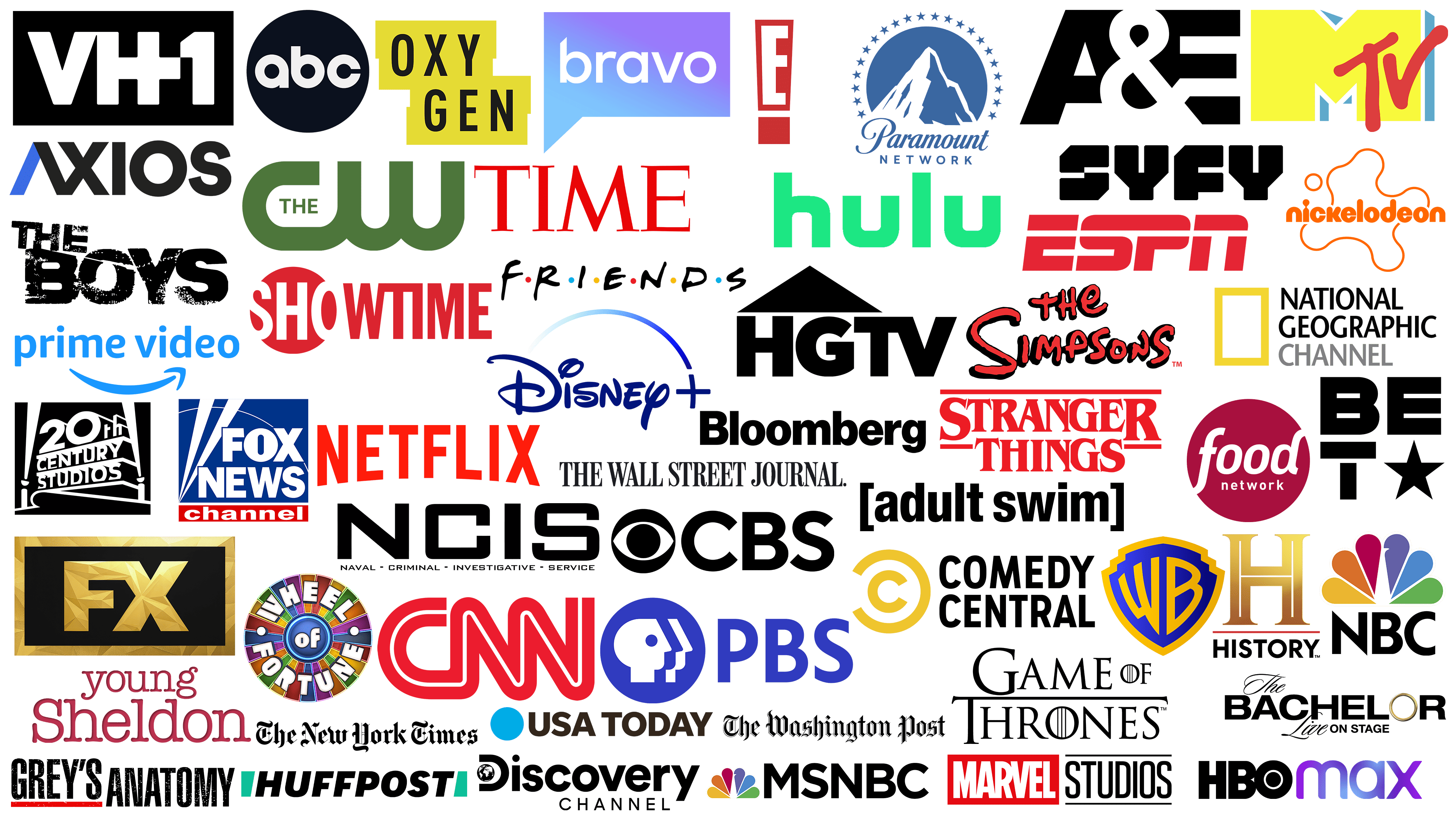
American media and television have brands with unique histories and recognizable images. For viewers, logos are no longer just pictures on a screen or magazine covers. Behind them lies a culture of communication, news perceptions, and leisure. American television and media have created visual styles that have become classics worldwide. Even viewers who have never watched their shows or movies recognize the emblems of Netflix, National Geographic, and Marvel.
Today, as the Internet and digital technologies change the rules, many classic brands retain their audiences through powerful visual identities and strong associations built over many years.
In this article, we will examine media and TV brands in the USA, explore the meanings and histories of their visual symbols, and examine the significance of a well-designed logo for the success of major media market players.
CBS

The famous CBS logo has a mysterious origin story. The emblem, a monochromatic depiction of a stern eye, is inspired by the All-Seeing Eye symbol William Golden designed. The eye’s graphic is deeply stylized, creating a sense of vigilant control over what is happening on screen. Bold lettering accompanies the eye, set in a confident font that emphasizes the channel’s serious approach to journalism and entertainment. The logo has become a symbol of trust and objectivity in the US television industry.
CNN

CNN is well-known far beyond the United States. Its logo consists of stylized red letters that flow smoothly into one another, forming a single chain. A thin, white line passes between the letters, adding lightness and enhancing perception. The line within the letters suggests information moving continuously, updating, and spreading worldwide. The channel broadcasts news in over 200 countries and communicates with viewers in multiple languages. The brand’s emblem highlights the global scale and speed of news delivery.
Fox News

The Fox News logo is designed in a traditional American palette: red, white, and blue, the colors of the American flag. The colors reflect the channel’s national identity. A blue square with large white letters emphasizes solidity, while vertical lines resemble rays of light, symbolizing the rapid dissemination of news. At the bottom, a red rectangle labeled “channel” completes the composition and signals the network format. The channel selected a stylish design suited to the dynamic atmosphere of a 24-hour news cycle.
Friends

The emblem of the series “Friends” symbolizes an entire generation. The logo is minimalist, featuring six black letters written in a casual, handwritten font. Multicolored dots between the letters represent each of the series’ main characters. This lets viewers feel the warmth and individuality of friends who have become part of millions of viewers’ lives worldwide. The design’s simplicity made the emblem popular, turning it into a pop culture icon and a visual code for friendship and comedic adventures.
Game of Thrones

The Game of Thrones logo captures the epic series’ atmosphere. The font, stylized as ancient writing, reinforces the sense of medieval intrigue and power. The letters have sharp, thin serifs and large initial symbols, creating a monumental feel. The letter “O,” with vertical lines, resembles the legendary Iron Throne at the center of the plot. A horizontal line from the letter “T” divides the title into two parts, highlighting the kingdoms’ division and rivalry that drive the series. The visual identity conveys intrigue, battles, and dramatic character destinies.
NBC

The NBC logo plays on meaning. The peacock symbolizes the company’s pride in color broadcasting technology. The company deliberately chose a colorful bird to encourage viewers to switch from black-and-white screens to color. Six multicolored feathers represent the network’s areas of activity, from news to entertainment. The peacock silhouette is formed subtly, almost unnoticeable at first glance, serving as a small puzzle for the viewer. The color scheme adds energy, reflecting the company’s character and diversity of content.
The New York Times

The New York Times logo evokes the classic typography of old newspapers. The gothic font feels authoritative and evokes solidity, tradition, and professionalism. The elongated “T” enhances its visual strength and support. Its visual austerity builds readers’ trust and conveys the newspaper’s authority. Millions recognize the inscription; it has become a cultural symbol of reliable journalism.
The Simpsons

The Simpsons cartoon logo is deliberately casual, reflecting the family’s humor and satire. As if drawn with a marker, the red letters suggest improvisation and fit the series’ satirical spirit. Black contours and shadows add volume, highlighting the title on-screen. The style matches the plot’s absurdity and irony. The cartoon is part of popular culture, and the emblem is known for its simplicity and concision.
Time Magazine

Time magazine’s emblem has remained largely unchanged since its launch. Only once did the cover feature the word “Vote, instead of the usual logo, highlighting the importance of the US presidential election. The original design features red uppercase letters with thin serifs and sharp edges, symbolizing the accuracy of the magazine’s published information. The strict font emphasizes the publication’s reputation and authority. The stability embodied in the color red is familiar to millions of readers.
Warner Bros.

Warner Bros. was founded by four brothers who emigrated from Eastern Europe to America. The company’s logo evolved into a shield featuring the initials “WB,” which underwent several updates over the century while retaining its core concept. The modern identity is painted blue and gold, highlighting the studio’s status. The shield symbolizes reliability and tradition, while the smooth letter outlines make the image elegant. The company symbolizes the film industry.
Wheel of Fortune

The logo of the popular American TV show Wheel of Fortune conveys the show’s atmosphere. Its circular design echoes the game wheel, divided into bright, multi-colored segments separated by thin white lines. A prominent blue circle sits at the center, with the program’s title in three-dimensional white letters. The words “Wheel” and “Fortune” surround the circle, while “of” is highlighted in the middle. Colors and shapes emphasize the show’s playful nature, making its visual identity recognizable and memorable.
Stranger Things

The series title, Stranger Things, is set in a red retro font that evokes the cinematic atmosphere of the 1980s. Horizontal lines above and below create geometric balance and strengthen the logo’s visual integrity. The letters’ sharp angles convey the series’ tension and mysticism. The red color was chosen deliberately to reinforce mystery and a supernatural atmosphere.
Nickelodeon

The Nickelodeon logo resembles a splash of orange paint, conveying the brand’s playful spirit. The rounded font conveys childish spontaneity and evokes a playful atmosphere. The visual shape is associated with playful activities, matching the character of the channel’s shows. Orange adds brightness that appeals to children and teenagers. Over the years, the channel has gained popularity among young audiences for its atmosphere of freedom and improvisation, and the emblem effectively conveys the channel’s unique mood.
Grey’s Anatomy

The Grey’s Anatomy logo is simple and dramatic. A black, distressed font emphasizes the tension of hospital storylines. The red line under the series title suggests the urgency of medical actions and a constant struggle for life. The straightforward, strict font signals a professional environment where emotions are restrained but still evident. Over the years, the series gained popularity for its sincerity and realistic plots, with its visual identity complementing the TV project’s overall style and atmosphere.
The Boys

The Boys’ logo looks bold. The lettering is in a rough print style with numerous scuffs, emphasizing the characters’ rebellious fight against the superhero world’s cynicism. Thick black letters convey power, confrontation, and toughness typical of the series’ atmosphere. The deliberate carelessness suggests that viewers shouldn’t expect a polished story. The emblem complements the genre’s sharp satire and underscores the creators’ unconventional approach to the theme.
Amazon Prime Video

The Amazon Prime Video logo is minimalist, featuring a smile-shaped arrow element. The blue color symbolizes brand stability and technology. The arrow creates a positive association, connecting words and hinting at the platform’s convenience. The identity style is simple, reflecting ease of service use. Prime Video quickly became a major platform with carefully selected content, subtly conveyed by the emblem’s friendly design.
Young Sheldon

The Young Sheldon series logo conveys the plot’s lighthearted mood, depicting the character’s childhood in the famous physicist-focused show. The title is executed in soft burgundy lettering; the large word “Sheldon” harmoniously complements the smaller word “young.” The letters have smooth, rounded outlines that make the inscription feel lively. The color scheme evokes the domestic comfort of the young genius’s era. The logo’s visual simplicity emphasizes storytelling’s straightforward nature.
The Washington Post

The Washington Post logo features a strict Gothic font, emphasizing the conservatism and prestige of one of America’s most renowned newspapers. The use of black reinforces print media’s solidity. The letters’ unique strokes and curls add nobility, reflecting traditional journalism’s commitment to accuracy. The font remains nearly unchanged, honoring American journalistic traditions.
Netflix

The company’s visual identity blends minimalism and vibrancy. The name is written in a straight, red sans-serif font with a slight curve. The shape creates an illusion of motion and energy, conveying the streaming service’s dynamic nature. The red color was deliberately chosen because it is associated with intensity and a wide range of emotions and meanings. Netflix’s logo became iconic in the digital era due to its simplicity.
The Wall Street Journal

The Wall Street Journal logo exemplifies elegance among financial publications. The name is written in a classic black serif font with uppercase letters. This choice emphasizes the newspaper’s seriousness and expertise in covering economics and financial markets. The font lines reflect the editorial team’s professional style and consistently maintain a traditional design. The identity’s simplicity strengthens the newspaper’s perception as an authoritative source.
HBO Max

The HBO Max logo looks technological. The black font is associated with a famous brand known for its high-class series. The gradient coloring of the word “Max,” transitioning from purple to blue, illustrates a new era of streaming, where content is always accessible without limitations. The round symbol inside the letter “O” resembles a power button, emphasizing the online service format. The smooth, modern “Max” font reflects the company’s style, which aims to stay relevant with digital audiences. The logo conveys quality and innovation.
MSNBC

The MSNBC logo incorporates the familiar silhouette of the peacock, symbolizing its parent company, NBC. The bird appears in bright colors, reflecting its range of coverage, from analysis to news reporting. Black sans-serif letters convey seriousness and clarity in the presentation of information. The channel has established itself as a reliable news source; its logo uses simple shapes and vibrant colors to convey relevance and a diverse range of content without distracting details.
USA Today

The USA Today logo is minimal. The newspaper’s name in black is placed next to a large blue circle. The circle’s color and shape resemble a planet, hinting at the publication’s global scope and the breadth of news and events it covers. The simple composition delivers information clearly, while the circle represents the broad range of news topics. Over the years, the brand has earned a reputation for accessible news, and its visual symbol reflects trust and transparency without relying on visual accents.
Axios

Axios has a strict logo. The black font indicates that the news is delivered clearly and concisely. The only color accent is the blue diagonal stripe on the letter “A,” which creates dynamism. This hints at the company’s approach to delivering news quickly. The identity conveys the brand’s technological, modern nature and its ability to quickly explain complex topics. The public perceives the brand as a reliable news source because its information presentation style reflects its strict design.
NCIS

The NCIS series logo uses a strict font that matches the spirit of the Naval Criminal Investigative Service. Massive black sans-serif letters highlight the organization’s seriousness and official nature as it investigates crimes connected to the US Navy. Beneath the main initials, the service’s full name appears in smaller letters, creating an impression of secrecy and military precision. The identity’s simplicity reflects the series’ strict plots, which have attracted millions of viewers.
HuffPost

The HuffPost emblem is designed in a minimalist, contrasting style. The main inscription uses bold black letters, complemented by two green lines along the edges that form a frame. The green accent adds freshness and suggests the publication’s innovative character, known for bold content and prompt news delivery. The moderate letter width makes the logo a vivid symbol of dynamic journalism.
20th Century Studios

The 20th Century Studios logo is a renowned icon in cinema history and has become a symbol of major film premieres. The studio’s name appears in a multi-level structure reminiscent of the iconic title sequence, with spotlights and stylized design. The black-and-white palette emphasizes Hollywood’s classic style, and the Art Deco font adds a touch of luxury. The image evokes the era of grand films, when the studio became a symbol of quality cinema.
Marvel Studios

The Marvel Studios logo is designed in an energetic style that suits superheroes and fantastic stories. A bright red rectangle with the white name ‘Marvel’ strengthens associations with adventure and heroism. The word “Studios” appears separately in black, with thin, straight lines above and below. The modern lettering matches the films’ style and dynamic feel. The red-and-white combination became a symbol of one of the world’s most popular film brands.
The Bachelor

The Bachelor’s logo has a romantic mood. The name is set in bold letters, complemented by a handwritten “The” that adds refinement. A golden ring replaces the letter “O,” emphasizing the show’s main idea: finding true love. Below, the “Live on Stage” inscription indicates the program is presented live. Black and gold colors add a solemn atmosphere to the event. The emblem reflects the show’s style, which has gained popularity due to its emotional depth and intrigue.
Disney+

The Disney+ logo is handwritten, resembling Walt Disney’s signature, the studio’s founder. The blue hue emphasizes the brand’s magical atmosphere and traditions. The thin arc above the name symbolizes horizons accessible to viewers and the diversity of the service’s content. The “plus” sign indicates expanded viewing options compared to traditional channels. The symbol unites the studio’s legacy with modern technology, reflecting the spirit of Disney’s new entertainment possibilities.
ESPN

The ESPN logo appears dynamic. Red letters connected by a horizontal line symbolize the sports world’s constant movement. The color reflects the energy of sports competitions and fans’ emotions. The italic slope of the letters adds a sense of speed. This leading sports channel is renowned for its diverse live broadcasts and coverage, and its energetic logo effectively conveys its sports-oriented nature.
Bloomberg

Bloomberg’s logo appears strict and businesslike. Black letters convey the seriousness of a company specializing in financial information. The minimalist font emphasizes the precision investors and entrepreneurs value. The channel earned a reputation as a reliable source through its professional presentation, reflected in the strict logo design that accurately conveys the company’s serious approach to news and analytics.
Hulu

Hulu features a minimalist green logo that hints at fresh content and the platform’s relevance. The brand uses lowercase, sans-serif letters, reinforcing the company’s friendly style. Originally launched as a platform for popular TV series and films, the company began producing its own content and became a serious competitor to other streaming services. The green tone stands out in the digital environment, reflecting the energy invested in creating quality content.
Paramount Network

The Paramount Network emblem features a mountain ringed by stars, symbolizing the company’s ambition and standing in the entertainment industry. The blue color evokes stability, while the mountain alludes to the parent company’s original symbol, Paramount Pictures, one of Hollywood’s oldest studios. The smooth cursive inscription highlights the channel’s premium status and its reputation for original series and films. The mountain imagery helps viewers associate the channel with a major film studio’s legacy.
ABC (American Broadcasting Company)

The ABC emblem is simple yet stylish. White letters placed inside a black circle create a concise image. The design’s simplicity reflects the channel’s universal character, one of America’s largest networks. It gained popularity for its diverse programming, including news, series, and shows, many of which became television classics. As part of Disney, the channel has greater prestige. Viewers can easily recognize ABC’s logo because of its clear graphics and contrasting design.
PBS (Public Broadcasting Service)

PBS, an American public television network, is known for educational programs, documentaries, and cultural broadcasts. The logo depicts three human heads facing right, emphasizing the network’s humanistic approach and educational mission. The blue color conveys trust, while the inscription ensures brand recognition. Viewers and public organizations fund the channel, maintaining independence and a commitment to education, as reflected in its logo.
Showtime

Showtime has vivid branding with a red circle forming part of the name. The color palette emphasizes the energy of the channel’s content, offering viewers a diverse range of genres, from popular series to boxing matches. The uppercase font conveys assertiveness and aligns with the dynamic nature of the programming. The channel is popular for bold plots and events, making it a sought-after premium entertainment brand. The logo’s symbolism reflects the channel’s loudly proclaimed status.
The CW

The CW network’s logo is minimalist and executed in green. The rounded letters “C” and “W” flow into each other, reflecting its youthful programming. Green signals freshness and innovation, both important to the channel’s target audience. The network is known for superhero series and teen dramas that attract young viewers. The emblem’s simplicity aligns with the channel’s broadcasting concept and targets an energetic youth culture.
Discovery Channel

The Discovery Channel logo includes a globe inside the letter “D,” symbolizing global coverage and storytelling. The black color conveys a serious approach to science, travel, and exploration. The channel immerses viewers in discoveries and expeditions. Simple typography emphasizes the reliability of the information it provides to viewers worldwide. The image accurately expresses the channel as a source of knowledge and inspiration.
History Channel

The History Channel logo is executed in gold, featuring a large “H” that highlights its connection to history and antiquity. Gold evokes ancient artifacts, treasures, and rich cultural heritage, which reflects its programming. A red line underscores the name, reinforcing its historical feel. The channel has earned a reputation as a reliable source of historical facts and analysis, and its visuals help viewers understand its content.
Bravo

The Bravo logo reflects the channel’s lightheartedness and is famous for shows about fashion, celebrities, and culture. The name sits inside a blue-to-purple gradient speech bubble, symbolizing lively conversations, gossip, and entertainment. The letters are written in a soft, rounded white font, emphasizing the channel’s youthful style. The network is known for the “Real Housewives” franchise, which has made it a leading source of candid reality shows.
National Geographic Channel

The National Geographic Channel logo is recognized by its yellow frame, reminiscent of the famous magazine cover. The bright yellow rectangle beside the channel’s name symbolizes a window into research and discovery. The inscription uses a strict font, with “National Geographic” in black and “Channel” in gray, underscoring its connection to the magazine and its society. The channel is popular for documentaries on science and culture, which are watched worldwide.
A&E (Arts & Entertainment)

The A&E network logo features a bold design in which the letters merge into a unified visual shape. The black-and-white contrast highlights the channel’s straightforward documentary style, known for its focus on crime investigations and reality shows. The symbol’s simplicity makes it easy to recognize and evokes associations with honest stories about real people and events, as well as central themes in the channel’s programming.
FX Network

FX Network uses an expressive logo with golden geometric shapes on a black background. This makes the channel’s image vibrant and links it to acclaimed dramas and comedy series such as “American Horror Story” and “Fargo.” The geometric design gives the emblem originality and matches the boldness of its content. Viewers perceive it as a premium channel offering unconventional storylines.
MTV

The MTV logo stands out for its bright colors and graphics, which evoke youthful rebellion. The large yellow letter “M” is complemented by the red letters “TV,” which appear hand-drawn. The channel gained popularity by broadcasting music videos, reality shows, and youth-oriented programs, influencing pop culture. Its design is intentionally casual, conveying a teenage mood and reflecting the channel’s style, which blends music with entertainment.
E! Entertainment Television

The E! Entertainment Television logo is minimalist and bright. A large letter “E” sits inside an exclamation mark, highlighting exclusivity and sensationalism. The red hue intensifies the sense of intrigue and glamour, making it ideal for a channel covering fashion events and celebrity lifestyles. The channel gained popularity through entertainment-industry programming, offering viewers an insider’s look at the world of stars. Its design reflects the atmosphere of celebrity news and gossip.
BET (Black Entertainment Television)

The BET logo is stark, featuring bold black letters and a large star that conveys pride. The channel targets an African-American audience, and its symbolism highlights the achievements of Black artists and cultural figures. It is popular for music shows, films, and exclusive projects showcasing African-American cultural diversity. The star adds a sense of status and aligns with talent promotion.
Syfy

The Syfy logo is futuristic, executed in an angular font reminiscent of video games or science fiction films. The black color enhances the channel’s mystical mood and is associated with fantasy and horror series and films. It has attracted fans with original content that immerses viewers in alternate realities. The emblem’s style declares the channel’s genre orientation, attracting fans of space adventures and mysterious stories.
VH1

Music television channel VH1, MTV’s younger sibling, has specialized in popularizing music culture for decades. Its emblem features a bright font set against a contrasting background. Large letters visually merge with a rectangular shape, creating a stable impression. The channel is renowned for its iconic songs and past performers, as well as documentaries about music legends and celebrity-focused projects. It is associated with an era when music was integral to an entire generation’s lifestyle.
Adult Swim

Adult Swim offers a nighttime alternative to children’s Cartoon Network, broadcasting absurd cartoons and experimental comedies. The logo places the name in square brackets, creating a minimalist, technical impression. This hints at the block’s unconventional and underground programming. The channel segment gained fame with iconic shows such as “Rick and Morty” and “Robot Chicken,” attracting adult viewers with unusual humor.
Oxygen

A television channel that primarily targets female audiences and is known for crime stories and reality shows. The logo consists of yellow geometric shapes with scattered letters. This original text presentation emphasizes dynamism and a focus on intrigue and investigations. Oxygen broadcasts stories based on real crimes, giving the channel special appeal with fans of mysterious, dramatic plots.
HGTV (Home & Garden Television)

HGTV specializes in home and interior design and is the number one channel for home improvement fans. Its emblem uses a geometric font integrated into a house symbol. It attracts audiences with renovation and interior design projects, inspiring viewers with ideas and masterclasses to transform their living spaces. The channel has earned a reputation as a trusted expert in home comfort and architectural solutions.
Food Network

The entertaining Food Network introduces viewers to the culinary world through original recipes, exciting cooking competitions, celebrity chefs, and journeys in search of new flavors. Its logo features a red circle symbolizing a passion for food, and its soft font emphasizes easy content perception. Since its launch, the channel has popularized numerous culinary celebrities and has become a hub for home-cooking enthusiasts.
Comedy Central

A comedy TV channel that combines the best in humor, featuring original sitcoms, satirical shows, vibrant stand-up performances, and iconic animation. The channel’s logo features the letter “C” enclosed in a yellow circle, evoking a smile and a positive mood. Comedy Central launched the careers of many popular comedians and became a key source of modern American comedy culture.
Conclusion
The importance of logos for American media and television brands cannot be overstated. They influence how information is perceived and shape the audience’s emotions. Logos like Netflix, ABC, National Geographic, and Marvel have become part of culture, recognized even by those who don’t regularly watch TV or follow the news. These brand designs show diverse approaches to visual identity, from Hulu’s minimalism to 20th Century Studios’ vibrant symbols. A strong visual identity helps brands maintain popularity despite changes in broadcasting formats. Therefore, visual symbols for media and TV are not a tribute to fashion, but a necessity that defines the company’s place in the contemporary informational space.